Best of the Bleak: Eighteen Top Lesser-Known Crime, Thriller and Horror Netflix Instant Titles from 2014

Best movies of 2014 netflix instant
Standard

Consider this post a witches’ brew. The contents started as a liquid composed of every crime, thriller and horror feature on Netflix Instant. Then I cranked up the heat and gave it a year-long simmer, meticulously skimming away the fat and nasty bits. After that, I spent the next three months tasting and testing till I finally had a small saucepan of the darkest, most delectable demi-glace. I then took that shit and poured it over the finest unicorn liver and paired it with a nice barrel of chianti. And now… Dinner is served, cabrones!

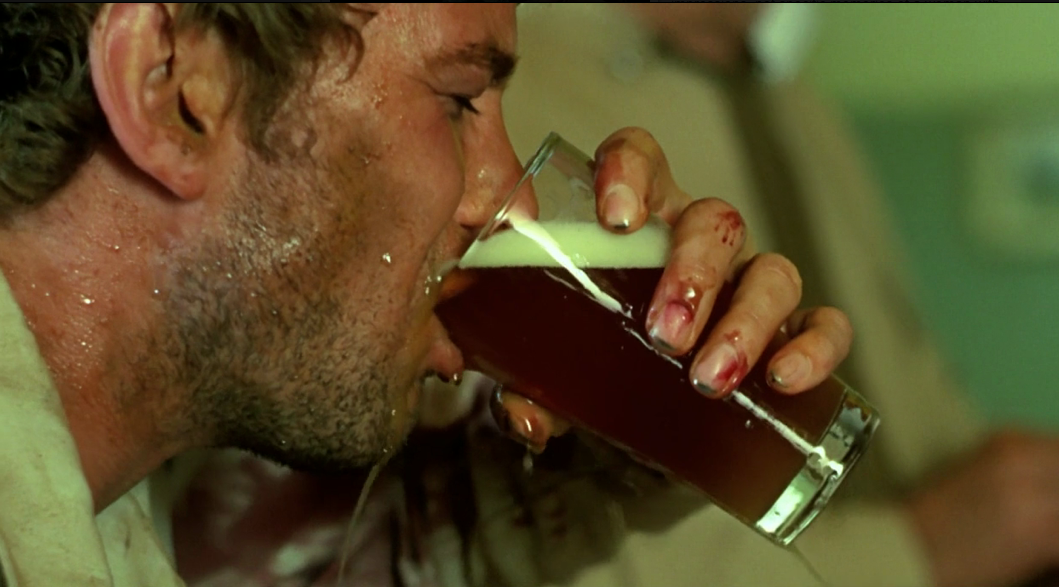
hannibal lecter drinking

Bon appétit!

Wait. Did you catch all that?

Essentially what I’m saying is that I spent a year combing through Reddit subthreads, countless hours watching every imaginable film and series on Netflix Instant, and three months writing about my favorite lesser-known titles (along with the help of my partner-in-crime, Adam Fox). I’ve now condensed all this research into a list of 18 of the best horror, crime and thriller features that you may have not seen on Netflix Instant.

Are a few things missing? Sure. No list is definitive, and that’s what next year is for. But consider this a damn good menu, with every item coming highly recommended by the chef himself.

Here’s the list, graded and alphabetically ordered, with titles linking back to our initial long-form posts:

MOVIES
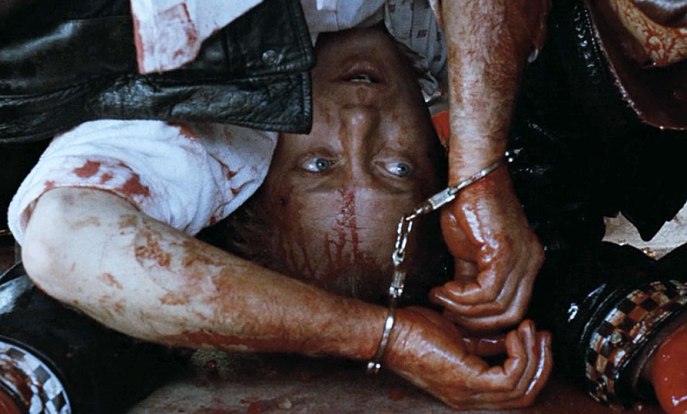
headhunters

Blue Ruin
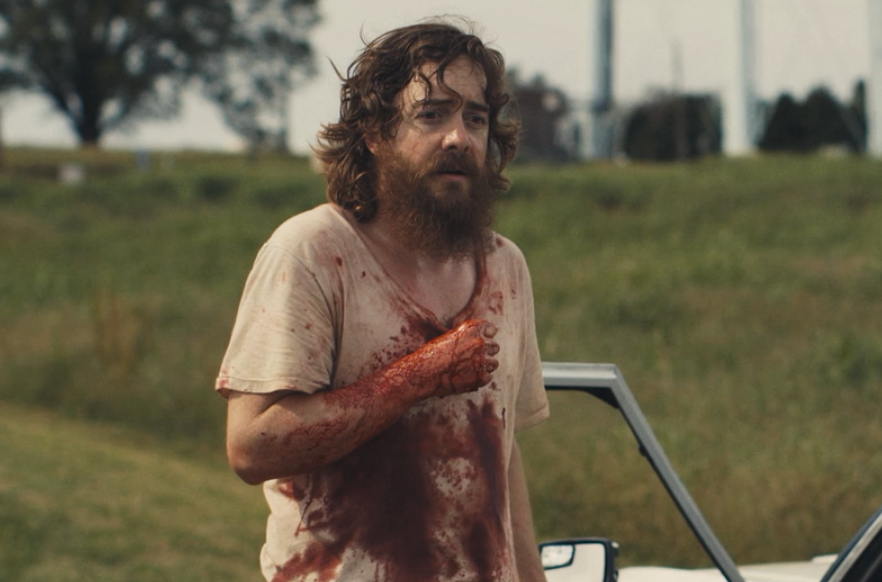
blue ruinBittersweet revenge. That’s what Dwight (Macon Blair), a dumpster-diving hobo, is after when he hears the man who killed his parents is getting out of prison. Blue Ruin delivers as one of the most beautifully shot, darkly comical and poignant films of 2013. If you liked Shotgun Stories or are simply a fan of revenge and vigilante justice flicks, look no further. B+/A-

Fish Tank

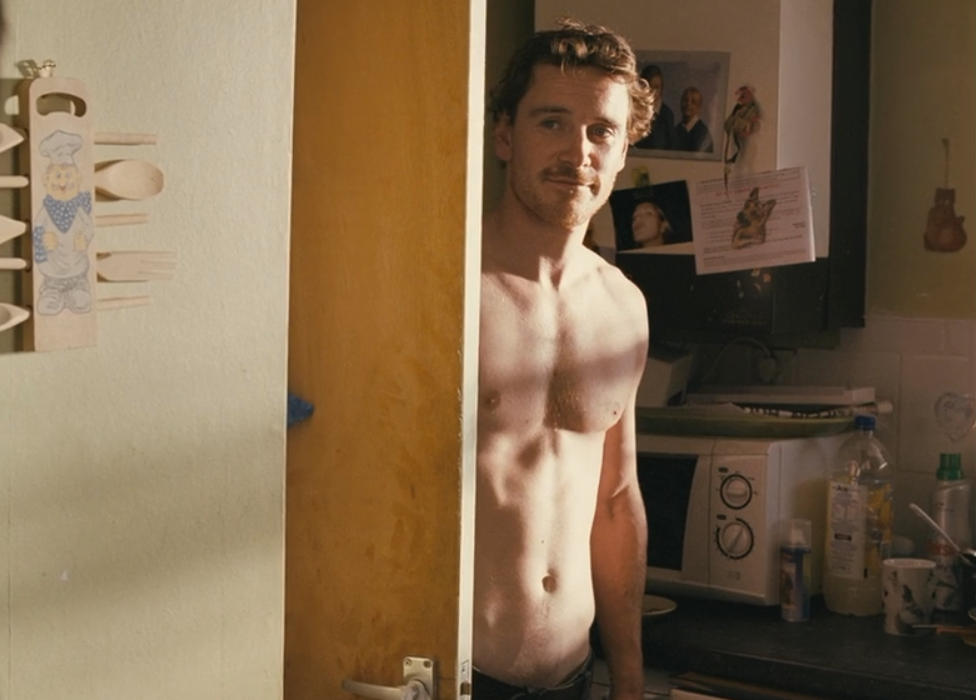
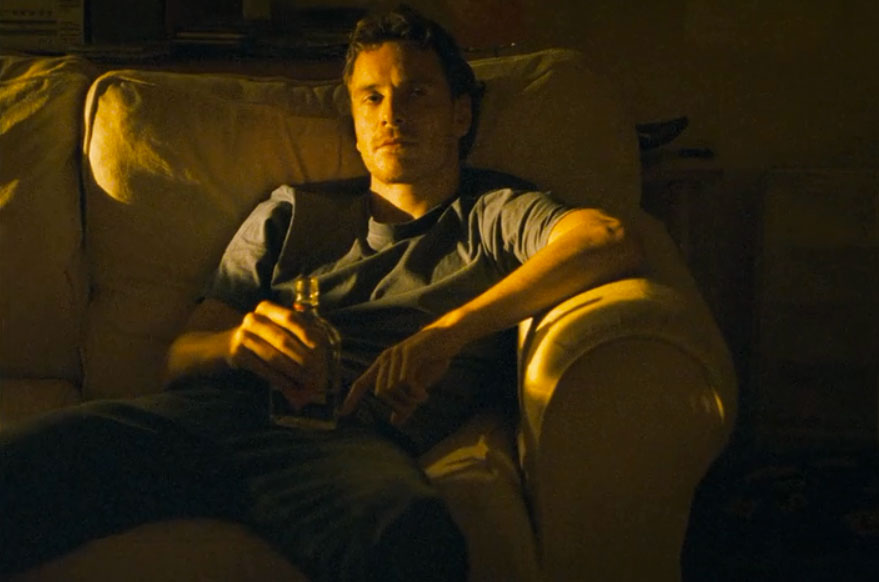
fish tankA charming Irishman enters the life of a teenage breakdancer who lives with her drunk mom and foul-mouthed sister in the slums of East London. Michael Fassbender (pre-Magneto fame) provides one of his best ever performances as a boozy savior who seems too good to be true. This film creates a riveting wave of suspense, despite being the only title on this list devoid of much action or overt violence. A-

God Bless America
God Bless AmericaIdiocracy and the 1970 hippie-slaughter-fest Joe meet Network in Bobact Goldthwait’s blacker-than-black satire on American media culture and narcissism. Bill Murray’s brother, Joel, is phenomenal as an everyman who finally hits his breaking point and goes on a monstrous killing spree… inspired by human compassion. B+/A-

Gomorrah
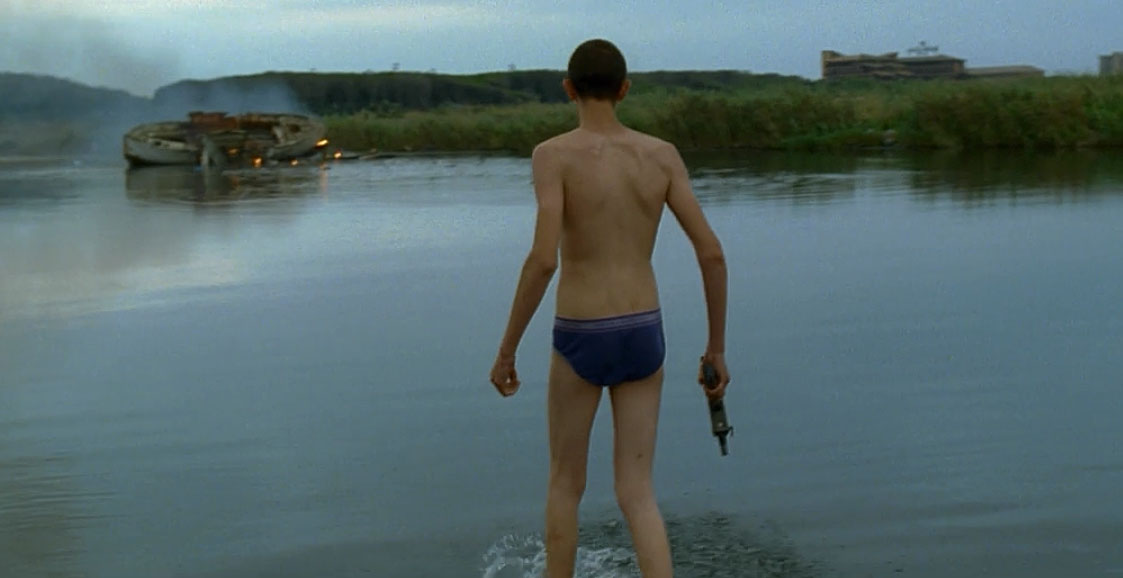
gomorrahFucking hell, this is a bleak one. Director Matteo Garrone takes a page from Alejandro González Iñárritu’s book and intertwines four slum tales, using the gang-ridden streets of Naples as his canvas. Ranked by A.O. Scott as the sixth-best film of 2008, I’d highly recommend this to fans of Amores Perros and City of GodB+

Headhunters
Nikolaj Coster-WaldauThis fast-paced Norwegian thriller tells the story of an art thief who gets in over his head by stealing from a special ops manhunter. Said manhunter is Game of Thrones‘  Nikolaj Coster-Waldau, who brings all his kingslaying charm to what is perhaps the most throughly entertaining movie I watched all year. A-

In Bruges
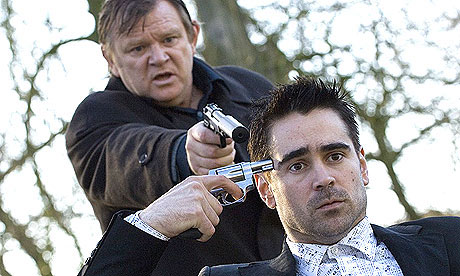
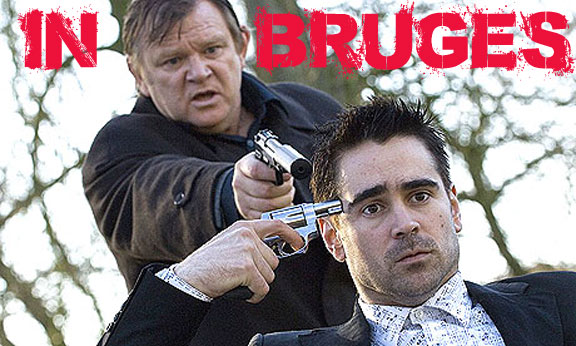
in brugesLike I said, “mostly lesser-known” titles. If you haven’t seen Martin McDonagh’s brilliantly wry flick about a pair of hitmen (Colin Farrell and Brendan Gleeson) holidaying in the “fucking fairytale” town of Bruges, consider this a must-watch. For those who have seen it, I cannot urge you strongly enough to seek out The Guard, starring Brendan Gleeson as a Bad Lieutenant-esque Irish cop. (I’m quite eagerly anticipating director John Michael McDonagh’s follow-up, Calvary, which hits Netflix DVD queues on Jan. 6). A-

El Infierno
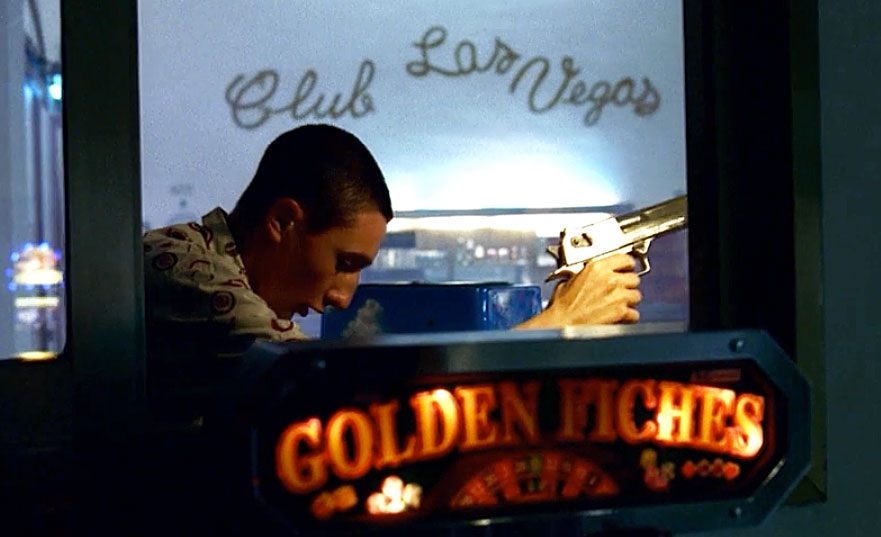
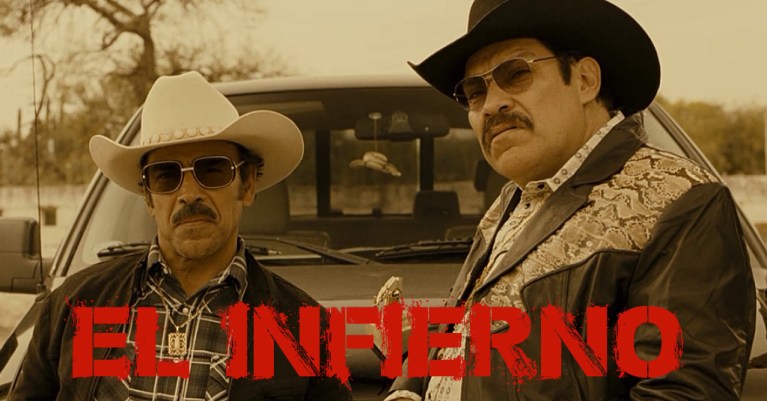
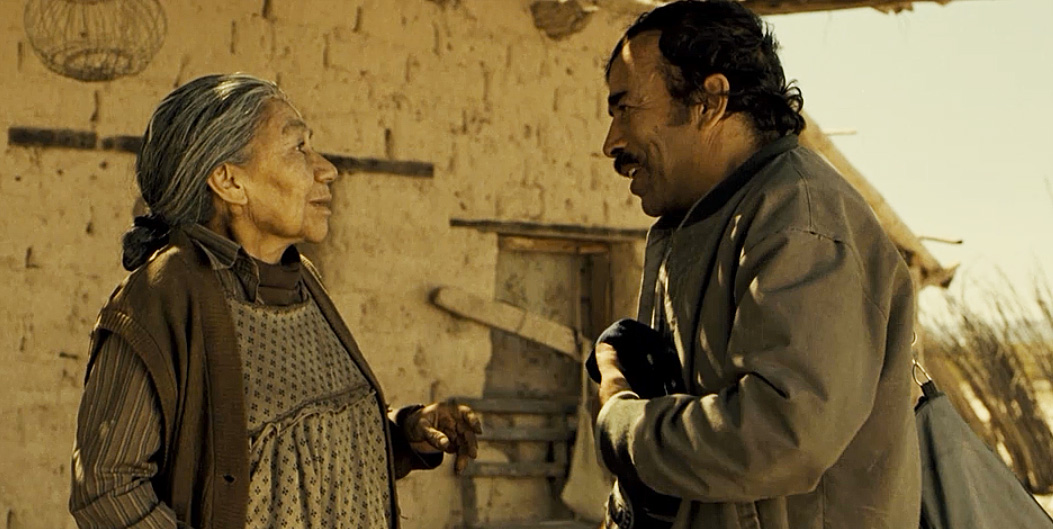
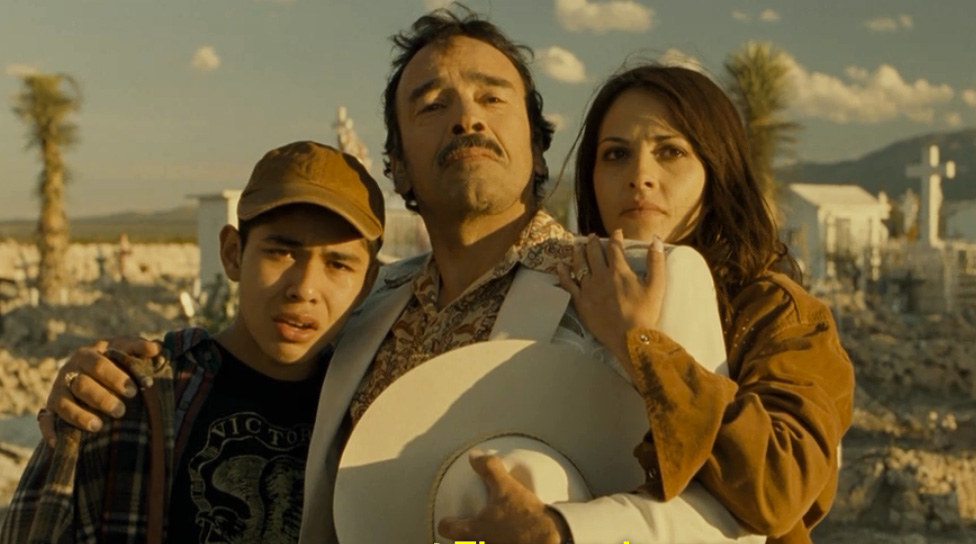
Joaquín CosioThe best lesser-known movie on Netflix Instant. Period. A Mexican man is deported back home from the States, only to find his nation in ruinous drug violence. So what does he do? Break bad and become a narco hitman, of course. Rarely is sociopolitical commentary as entertaining to watch as in director Luis Estrada’s masterpiece. My top recommendation on this list—which would explain why I wrote a fucking novella on it (see link). A

I Saw the Devil
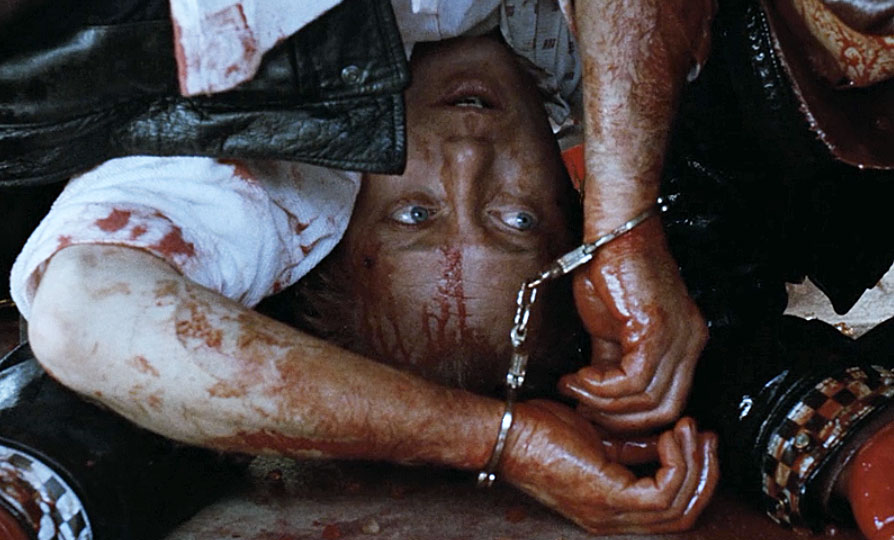
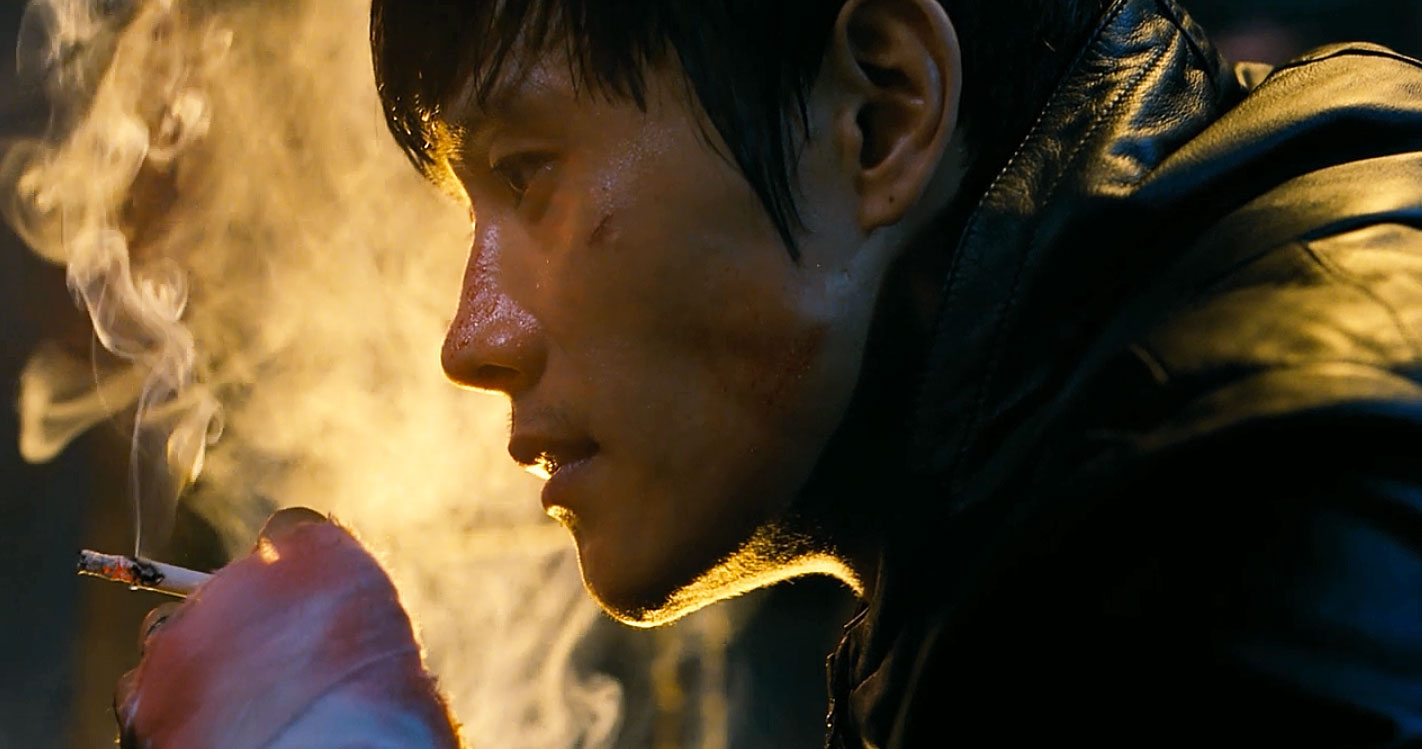
i saw the devilI didn’t write about Oldboy because if you’re reading this, chances are you’ve seen it thirteen times. I Saw the Devil continues in the tradition of Park Chan-Wook’s gut-wrenchingly violent Vengeance Trilogy and is, with perhaps the exception of Oldboy, the best film made in the landscape of prolific gore-horror that is South Korean cinema. Alongside El Infierno and Tell No One, this rounds out my top three recommendations within this list. A-/A

Let the Right One In
let the right one inThis Swedish kiddie vampire tale makes Twilight look like Sesame Street. If for some reason you haven’t seen this, please do—it’s arguably one of the best horror movies ever made. A

The Man from Nowhere
the man from nowhere
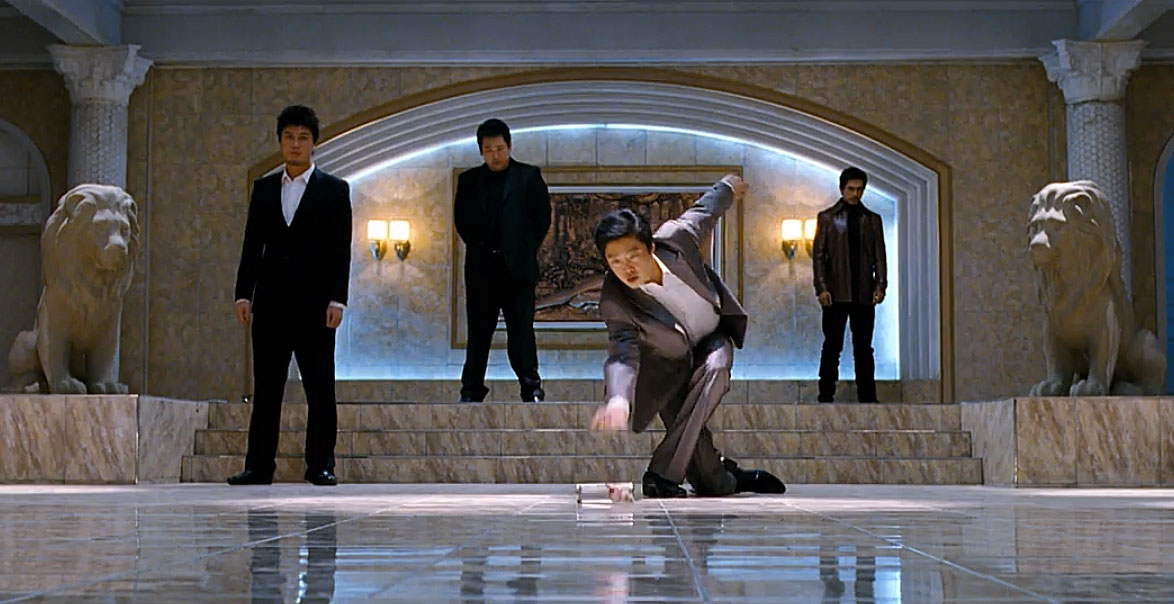
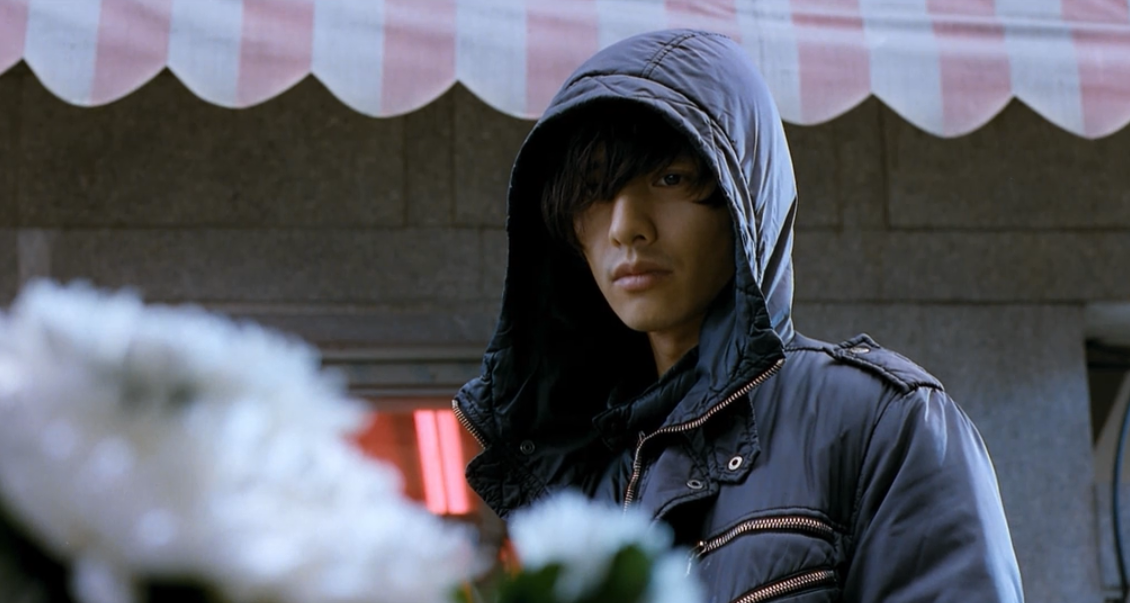
At what what point do I just give up and dedicate my entire blog to South Korean revenge movies? That’s a question this grim story of a mysterious Asian Jason Bourne putting his life on the line to save a young girl brings to mind. While not quite as devastatingly sinister as The Vengeance Trilogy, director Lee Jeong-beom’s 2010 flick is every bit as good—and much more action-packed. B+/A-

Stake Land
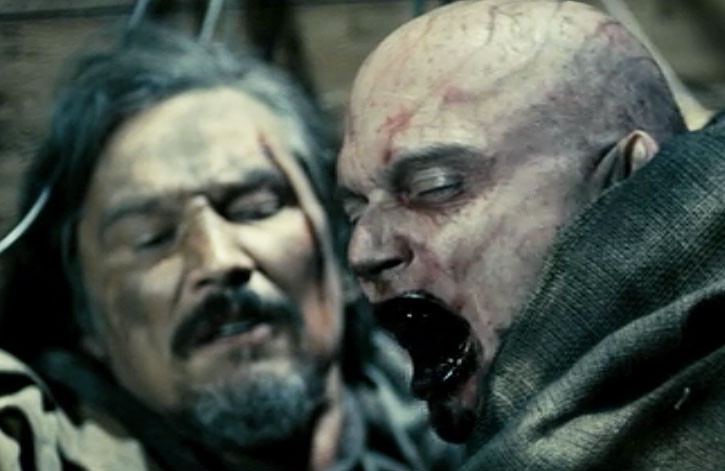
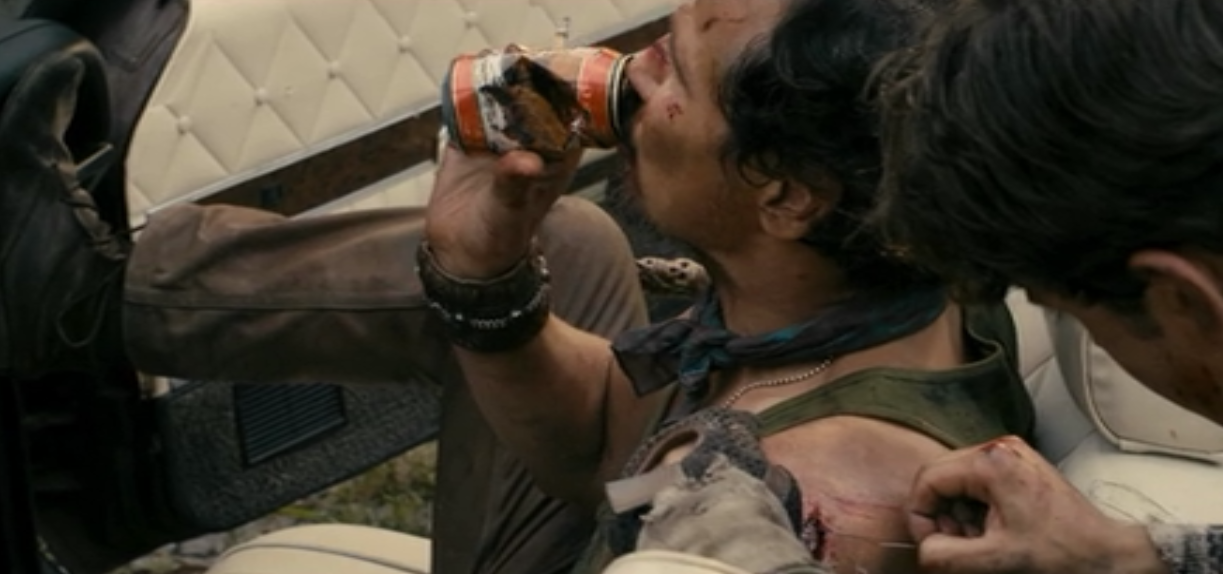
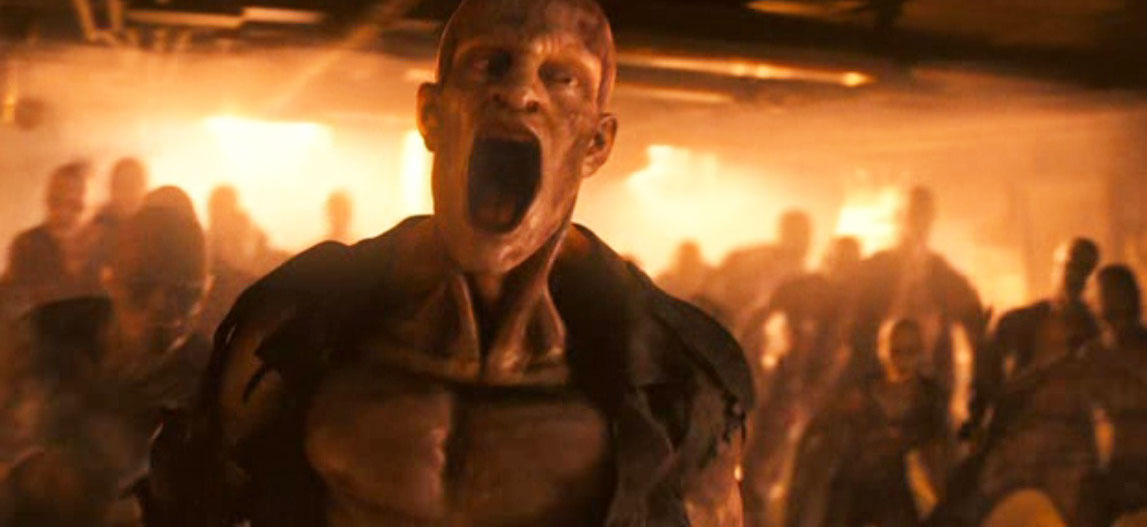
stake landAside from Let the Right One In, it could be argued that this devilish, little vampire road movie is the best bloodsucker flick since Dusk Till Dawn. It’s basically a much smarter, more artfully crafted and fully realized version of The Walking Dead. Oh, and while we’re on the subject of vamps, do me a fucking favor and skip that hipster trash that hipster critics are raving about, Only Lovers Left Alive. I consider Jim Jarmusch a god among directors, but that was his most pretentious bit of bullshit ever. On a more upbeat note, keep an eye out for the Iranian flick A Girl Walks Home Alone at Night, which I nominate for best horror-film title of 2014. As for Stake Land… A-

Tell No One
tell-no-oneMichael Caine named this 2006 French mystery thriller as one of the top ten movies ever made. While I don’t fully agree, I also wouldn’t call that hyperbole. This story—about a doctor who uncovers a secret about his dead wife—somehow manages the task of being both one of the most beautiful love stories and most action-packed thrillers in recent memory. One of my top three picks on this list. A

The Taking of Deborah Logan

the taking of deborah loganThe found-footage genre finds new life in this jump-out-your-seat scary flick about a lady with Alzheimer’s who becomes possessed by demonic forces. While my smug, Masshole co-writer Adam Fox may disagree, I’d easily call this one of the best horror movies of 2014. B+/A-

You’re Next
You're nextAn Australian survivalist chick winds up at the dinner party from hell as a cast and crew of mumblecore jag-offs redeem themselves by creating one of the best slasher films in years. If there was any justice in this world, Dwight Twilley would win an Oscar for “Looking for the Magic”—which director Adam Wingard uses immaculately here.  B+/A-

SERIES
peaky blinders

Black Mirror
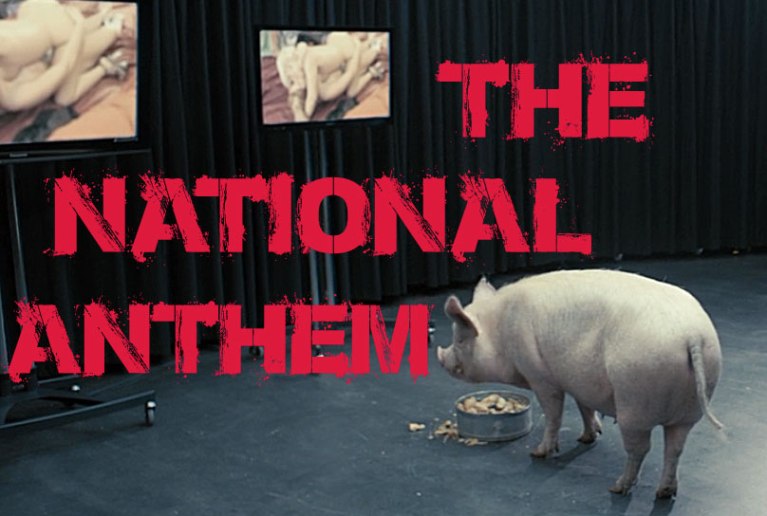
jessica brown findlay sings in black mirrorDid I just give a shout-out to Adam Fox? He’s the guy who’s been writing up Black Mirror for this here site. Charlie Brooker’s series of seven (so far) unrelated stories is a menacingly bleak futuristic take on technology, dystopia and human fallibility. So far we’ve posted on Fifteen Million Merits (B+), a glimpse of what happens when The Running Man meets American Idol in hell; and The National Anthem (A-), which deals with a British prime minister deciding whether he should follow through on a terrorist threat to fuck a pig.

Happy Valley
blogIf you haven’t watched Happy Valley yet, perhaps it’s for some of the same reasons that it took me so long to get around to it: The marquee image on Netflix displays an unknown, middle-aged actress in a British cop uniform. Meanwhile, there are several other British series plastered on the same page containing well-known actors in their prime, like Idris Elba, Cillian Murphy and Benedict Cumbertwat. So why should you choose Happy Valley, a show about a small-town detective who gets involved in a high-stakes kidnapping case? Let the record state that I am not comparing it to Breaking Bad… but it is the best show I’ve seen since the best show ever made ended. That’s why. A

The Fall: Season One
The FallThe Fall is perhaps one of the most intelligent cop shows on TV this side of True Detective, and now that Rust and Marty are out of the picture, Gillian Anderson’s lead as icy investigator Stella Gibson is perhaps the best character in the genre. The only downfall of this first season—which trails a sadistic Belfast serial killer—is that it left us with an asshole of a cliffhanger. Quit dicking around, BBC—deliver the goods! A-

Peaky Blinders: Season One
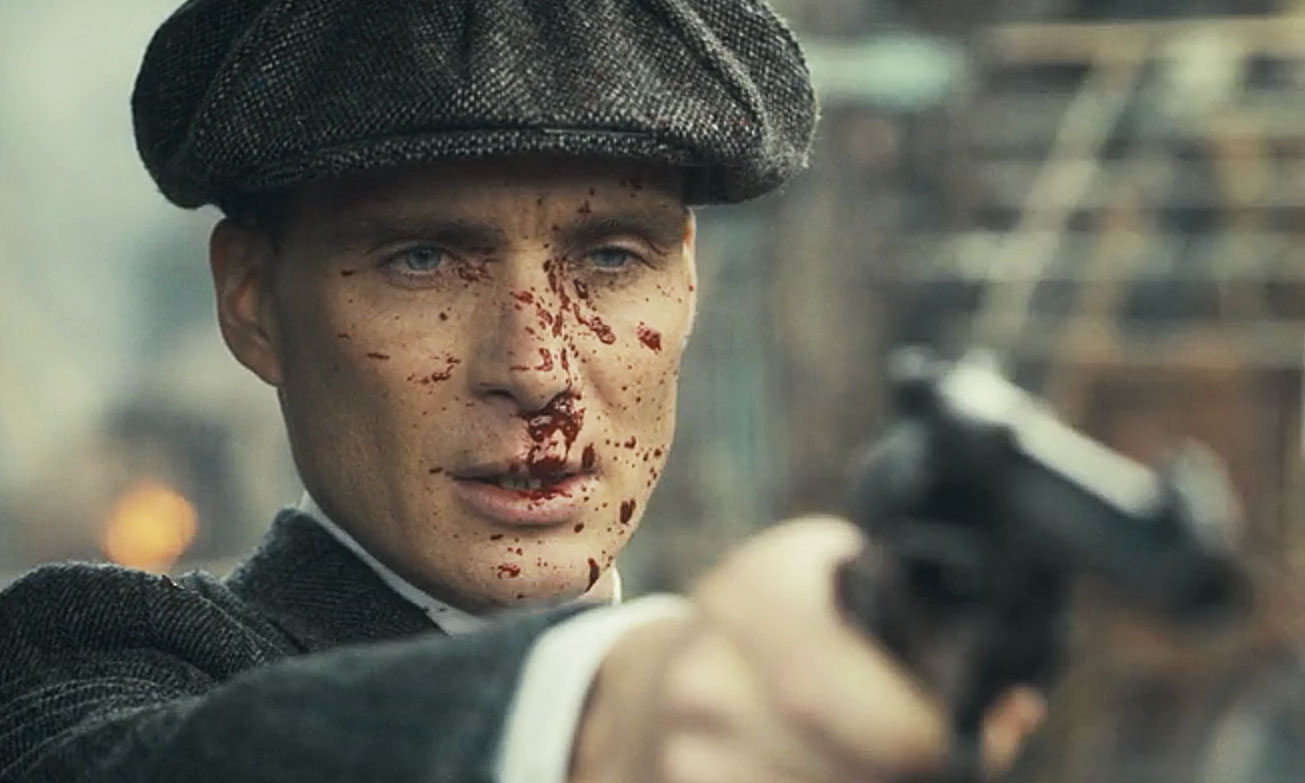
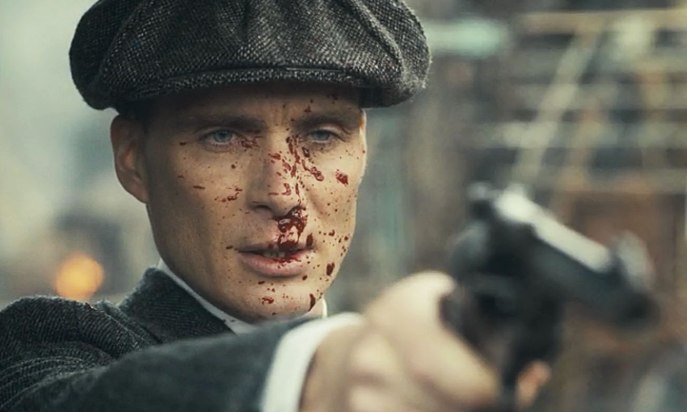
peaky blinders“When you walk through the garden…”. That was the line that Tom Waits opened episodes of The Wire with. “Take a little walk to the other side of the tracks” is the line Nick Cave opens Peaky Blinders with, and his “Red Right Hand” is the best intro song to any show since David Simon’s deservedly heralded series. There’s also a lot of other awesome shit happening here, like Cillian Murphy—as the leader of a Birmingham street gang—slashing people’s faces with razor-embedded scally caps. Blinders isn’t the most highbrow fare, but its first season is one of the most entertaining pieces of television I’ve seen in years. The second season falls a little short, but that’s another story for another time. A-

-Sam Adams

NOTE: A big year-end thanks to everyone who’s patronized this site, commented on it and given their support over the past three months. It means the fucking world. Also, a huge thanks to my man Adam Fox for helping me keep the ship afloat. We’ve got much more in store for 2015!
Outback Invasion: Mystery Road and the Need for Neo-Ozploitation on Netflix Instant

outback invasion
Standard

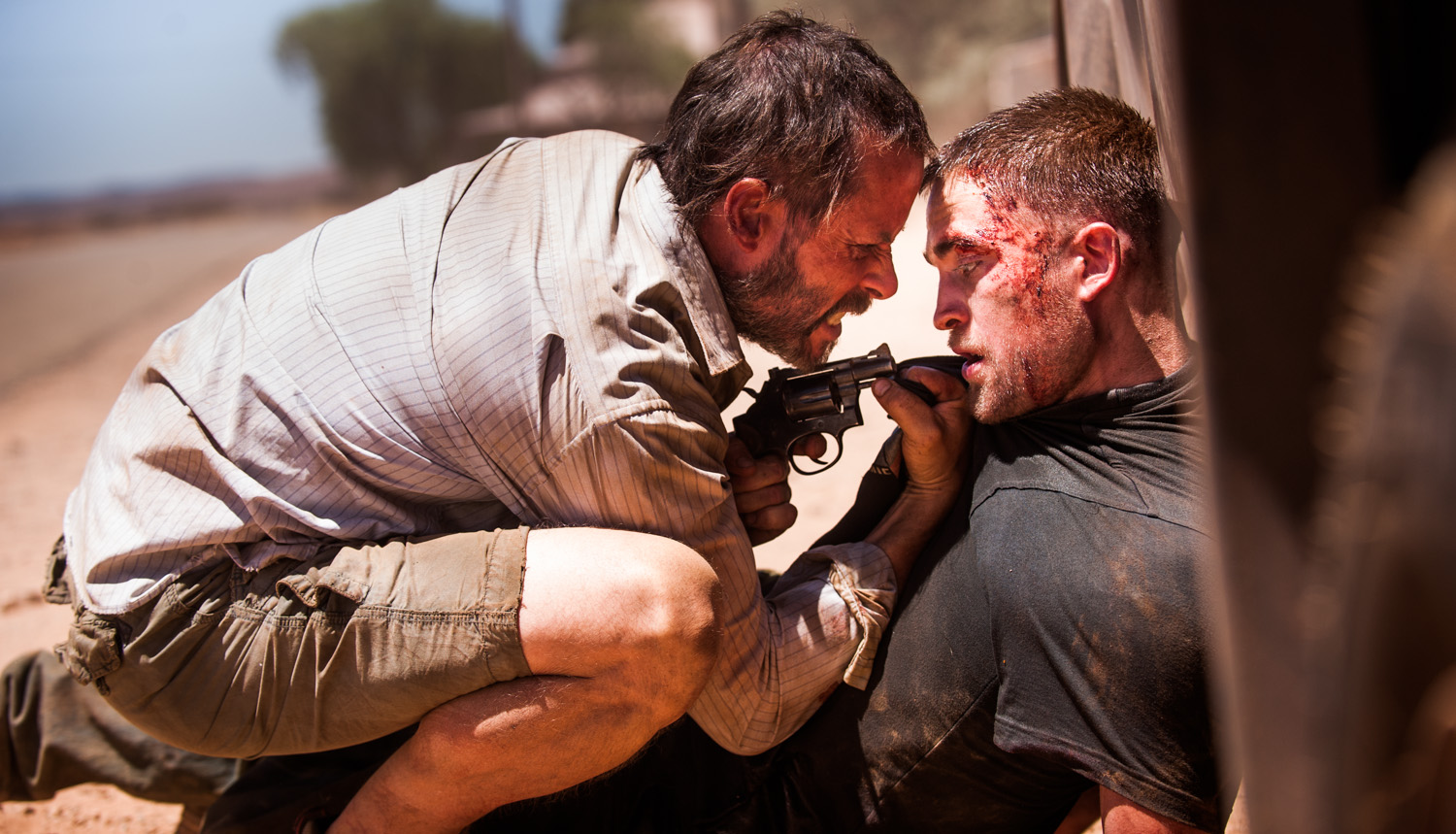
Australia is the new South Korea. No, that’s not the title of Jenji Kohan’s latest project about a ragtag Outback family that practices cutesy incest and quirky torture-porn revenge killings. It’s a realization I’ve come to after watching Animal Kingdom, The Snowtown Murders, The Rover, Wolf Creek and a handful of other extremely bleak, atmospheric and depraved Aussie films.

the rover

“Time to grow up and act, Pattinson. Fuck Team Edward!”

The common threads among these titles? They’re all good—some of them really good. They all also attract the same type of viewer that took pleasure in Park Chan-wook’s Vengeance Trilogy, I Saw the Devil, The Chaser, The Man from Nowhere… again, the list goes on.

The bottom line: If you like cinematic savagery, revenge tales, serial killer flicks and moody, thought-provoking horror mysteries that make Saw look like the slasher genre’s village idiot, then look no further than eastward (South Korea) and Down Under.

the man from nowhere

The Man from Nowhere introduces us to the increasingly popular South Korean sport of bowling with human eyes.

While I’ve already chronicled a few of the great South Korean titles on Netflix Instant, I must admit that I’ve had trouble coming up with a comparable streaming list for what some have dubbed “neo-Ozploitation“—the current wave of flicks that harken back to the blood, sex and existential bleakness that was low-budget Australian cinema in the ’70s and ’80s. One reason for this is that, at least in terms of modern-era comparisons, the South Korean flicks are, generally, slightly superior. The other is that Netflix Instant has a strong reservoir of dark South Korean titles, but a less impressive one for the Aussies.

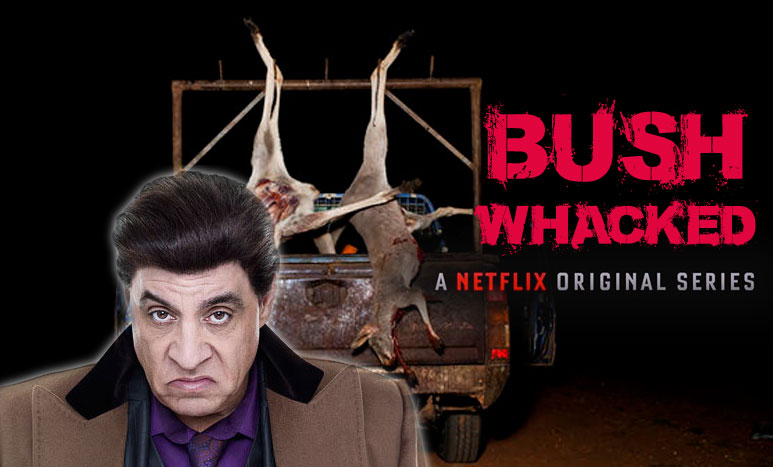
bush whacked

Dear Netflix: I humbly submit my pitch…

The Snowtown Murders, for example, is a more-than-decent, gruesome true-crime flick. And I’d say The Horseman, a bloody revenge tale, is even stronger than Snowtown. Both are on Netflix Instant. But neither of these stack up to heavyweights like I Saw the Devil or the Vengeance Trilogy (also on Instant). Chief among the best dark films to come out of Australia in the past decade would be Animal Kingdom, The Proposition (a Western), The Rover and Chopper. Unfortunately, none of these are available streaming. (Note: I have yet to see The Babadook or The Loved Ones, but… they aren’t on Instant either. And Wake in Fright, which would have been a great intro to this movement, just got removed.)

Wake in Fright

Wake in Fright (1971): a boozy, Ozploitation classic.

Which begs the question: What’s a poor guy who blogs about great, dark Netflix Instant movies to do when he wants to focus on Australian murder cinema?

I guess I’ll dive into a flick that was just released which, while not great, is a solid-enough addition to the canon of Australian crime cinema—as well as something that’s far less likely to be known than Snowtown or The Horseman. Then I’ll leave it up to the Redditing hordes to point and chastise me in the direction of a follow-up piece.

Oh, and as for Wolf Creek, it’s not available either. Wolf Creek 2, however, is. Now personally, I loved both of these. But there’s a certain level of campy horror you have to be into to like the Wolf Creeks. Still, if you dug the first one, Wolf Creek 2 is just as good, if not more outrageously enjoyable (and its best scene is a hilariously gory homage to Wake in Fright.)

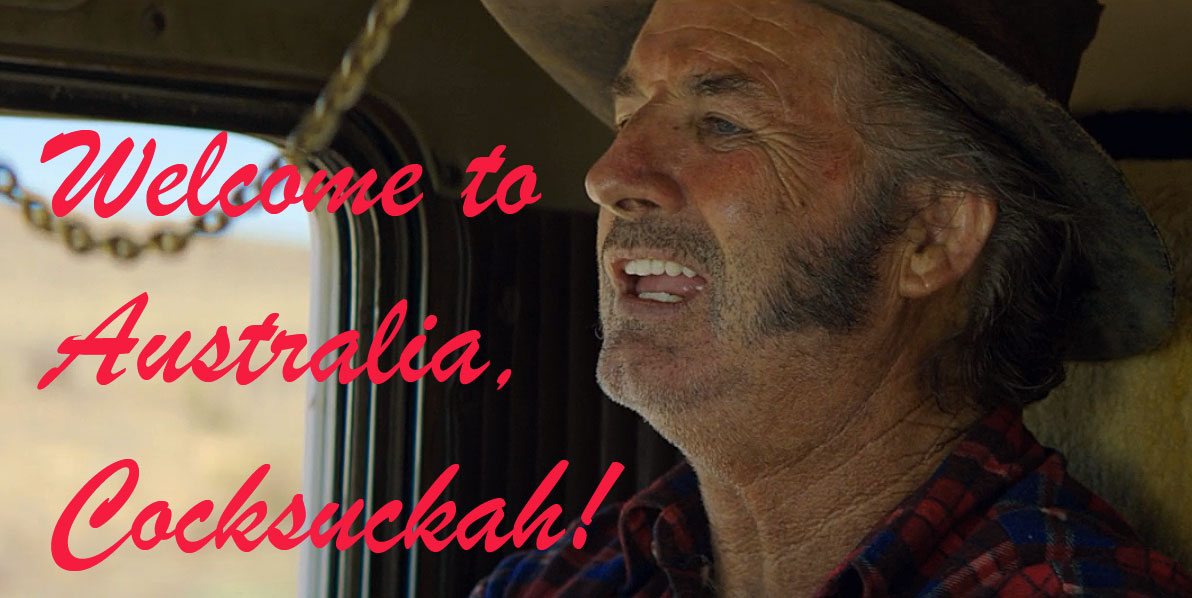
Anyway, on to our feature presentation, and in the words of Mick Taylor…
Wolf Creek 2


 ….

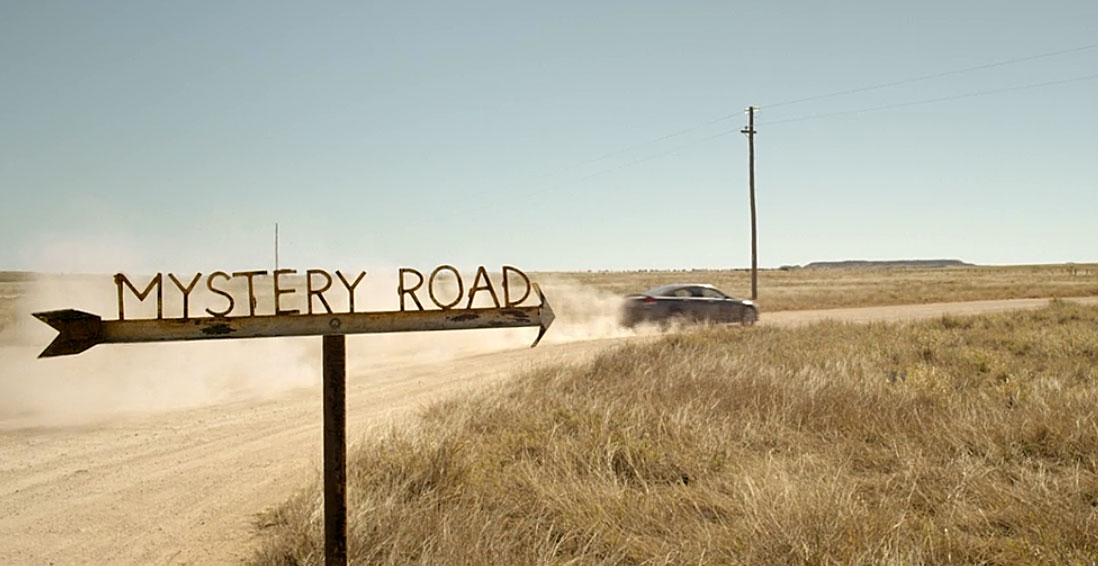
Mystery Road
mystery road
Like many a recent Aussie crime flick, a mood of grim, existential pondering looms heavy throughout director Ivan Sen’s Mystery Road. This is achieved largely through lingering shots of sublime Outback landscapes and the depiction of one man’s quest for justice in a lawless and corrupt culture. For the majority of the film, the seeming futility of our hero’s endeavor only adds to this bleak aura.

This recipe has been done over and again in Aussie films as of late. Why? Probably because there’s a certain intrigue to the isolated creepiness of the Outback, as well as the question of which forces will emerge victorious in situational throwbacks to the uncivilized, badlands of Spaghetti Westerns.

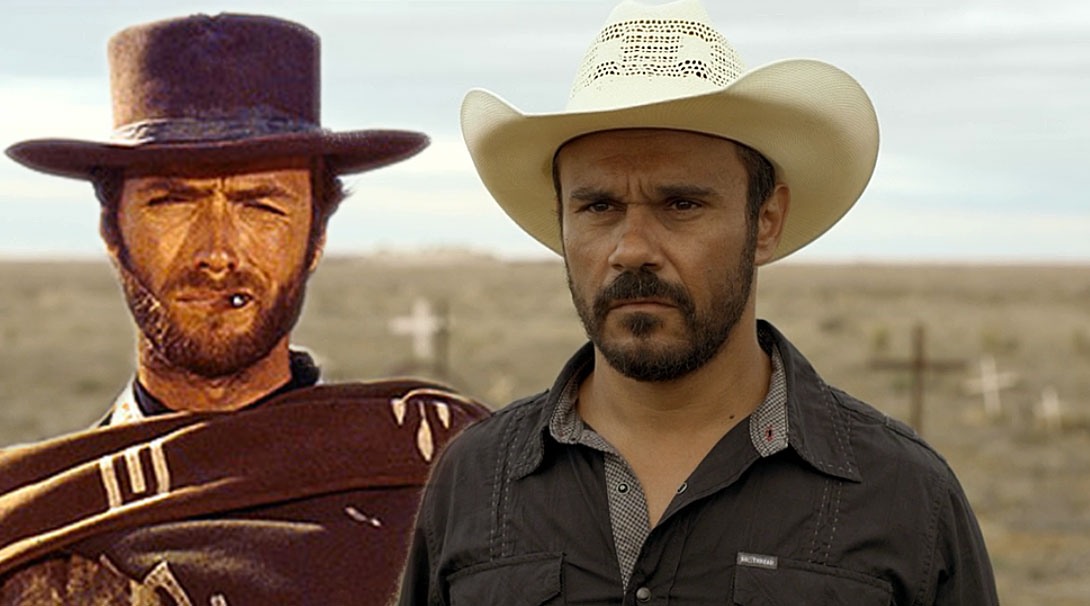
mystery road, clint eastwood

Clint as The Man with No Name and Aaron Pederson as Det. Jay Swan: a pair of badass, cowboy-hat-wearing loners who don’t say much.

Set in rural Queensland, Mystery Road introduces the stoic Det. Jay Swan (Aaron Pederson) as he investigates the murder of a teenage prostitute. Foul play is at hand, but because the deceased was Aboriginal, no one in “Jay-boy’s” white-bread department seems to give two shits. As Jay slowly (and I mean languorously fucking slowly) connects the dots between his family, trucker Johns, drug dealers and possible “wild super dogs,” he begins to realize that his department’s neglect of the murder goes much deeper than mere racism.

A strong supporting cast includes Hugo Weaving (Agent Smith from The Matrix) as a duplicitous narc, and an uncle of Jay’s (Jack Charles) who bears a striking resemblance to traditional Western depictions of that “Jesus’ dad” guy.

jack charles

Jack Charles: Australian for God.

But back to that “grim, existential crime drama” recipe. Just because it’s an intriguing one, that doesn’t mean its inclusion automatically creates an intelligent thriller. I’m sure many would use the terms “contemplative” or “meditative” to express what’s going on in Mystery Road and films like it. Of course, to others, such terms are pretentious euphemisms for “really fucking long and boring.” Personally, I’d say Mystery Road falls somewhere in between those two realms of an artfully crafted mood piece and a film that, quite honestly, doesn’t have enough to say to justify its run time of 121 minutes.

mystery road

This Stephen Shore-esque still pretty much sums up the amount of action Mystery Road delivers for the bulk of its two hours.

That said, here’s why Mystery Road works for me: When this blog first started, I talked about the idea of grim, existentialist thrillers working as a sort of relaxant for certain cinematic brains—just like the fad of ASMR. Mystery Road is exactly the kind of movie I was talking about. The pacing is slower than a crippled echidna, but I found the entire ride very satisfying. Essentially, it’s just 100 minutes of high-tension, low-action crime trance, followed by a refreshingly loud and bloody payoff. In other words, I’d argue that the climax of Mystery Road not only justifies the prolonged lull that precedes it, but that the lull itself is intriguing in its own right. Then again, it’s really only worthwhile if you’re the kind of person that gets off on that sort of trance piece…

So let’s do a quick litmus test: Did you enjoy Nicolas Winding Refn’s highly divisive Only God Forgives? If so, you’ll be just fine with Mystery Road. If you didn’t like that as a mood piece (forget the narrative), you should probably steer clear of this flick—although, to its credit, the climactic scene is much more rewarding in Mystery Road. And while it doesn’t completely resolve itself, there is certainly more of a discernible story line than in Winding Refn’s feature-length karaoke video.

only god forgives

“Wanna fight? … Or would you prefer mood-lighting and an open mic?”

For another comparison’s sake, perhaps it’s best to view Mystery Road as a slightly better, artier, longform Outback rendition of an episode of Longmire. (Aaron Pederson could definitely hold his own in a cop series.)

Mystery Road doesn’t reach the heights of Animal Kingdom or The Proposition, but its certainly no disservice to the “neo-Ozploitation” fad. The only issue I have with the current state of this genre? We need more of it.

GRADE: B
IMDb: 6.4

-Sam Adams

NOTES: If you get on an Australian film kick and want to get back to some classics via DVD, also check out Picnic at Hanging Rock and Walkabout. And here’s a fantastic list of some classic Ozploitation flicks.
-Also, Noise on on Netflix Instant is a strange-but-worthwhile modern Aussie cop thriller (its big-city setting, among other factors, rendered it unrelatable to other titles in this post.)
-And lastly, I made it through this entire piece without a “shrimp on the barbie” joke. You’re welcome.

Black Mirror on Netflix Instant: Twilight Zone for the ADD Generation, Part II

fifteen million merits
Standard

BY ADAM FOX

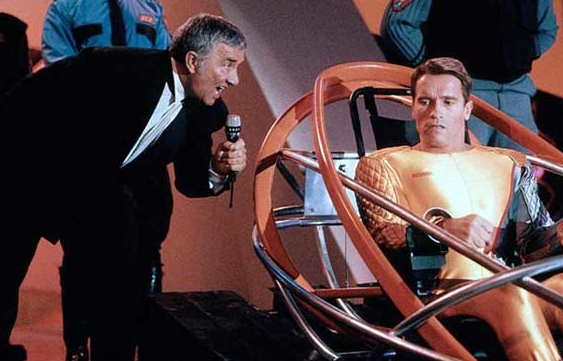
1987’s The Running Man was one of my favorite movies growing up. While I likely appreciated the bravado of one Arnold Schwarzenegger and the video game-like levels of its plot as a kid, it wasn’t until later that I finally grasped what the hell was really going on. The Running Man was quintessential ’80s action at its cheesiest, to be sure, but it did ask a pretty good question: How far are we willing to go for entertainment?

Schwarzenegger running man

“I’m not into politics, I’m into suh-vival:” A slogan the Governator used to great effect in both Running Man and his California GOP campaigns.

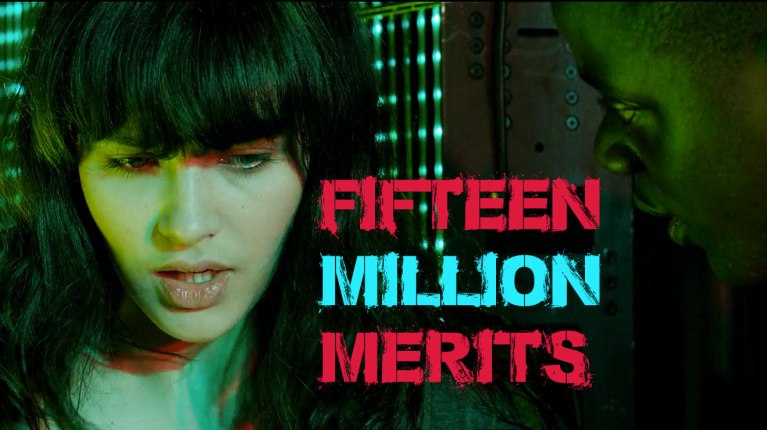
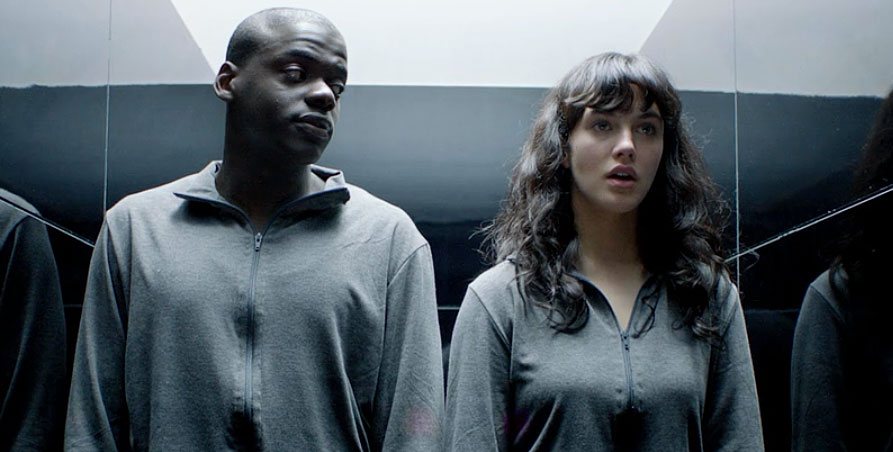
I bring up Paul Michael Glaser’s magnum opus because its story is not dissimilar to the second episode of Black Mirror, “Fifteen Million Merits.” “Fifteen” introduces us to a futuristic environment in which presumably working class citizens—never changing from their dull-gray jogging attire—spend their days accumulating a collection of points, or “merits,” on stationary bicycles. To help prevent this process from getting too tedious, a selection of video games are offered as an overlay to the exercise, including scenic backdrops or risqué sex scenes.

Fifteen million merits

Hell… on wheels.

The merits are permanently saved to inhabitants’ profiles and can be used to purchase things like food, entertainment, or entry fees to any of the enormously popular game shows that play throughout the day. One of them even involves unleashing high-pressure hoses on the morbidly obese.

Unlike Running Man, these spinners/SoulCyclers aren’t hardened criminals, whether real or imagined. They’re certainly prisoners in their screen-covered cells, but most lack the self-awareness to grasp their predicament—except for Bingham “Bing” Madsen (the excellent Daniel Kaluuya, who American audiences might recognize from Kick Ass 2).

kickass black death daniel kaluuya

Daniel Kaluuya, kicking ass and drinking beer

Bing is disillusioned with this dystopia of rampant materialism and unfulfilling labor and refuses to buy into it, becoming the Winston Smith of his era. He begrudgingly starts the grind anew each day until he meets the beautiful Abi (Downton Abbey’s Jessica Brown Findlay). His crush develops into an impassioned affair when he stumbles upon Abi quietly and masterfully singing to herself in the bathroom.

black mirror fifteen million merits

“Nice jumpsuit. GAP?”

Bing encourages Abi to compete on the American Idol-style talent show “Hot Shots,” believing she possesses the talent to harness her singing and earn a one-way ticket out. The Hot Shots entry fee is a steep 15 million merits, and since Abi is new to the bikes, she has a minimal number saved. Bing, in a selfless act, volunteers his own merits to gift Abi an entry ticket, draining his entire account in the process.

jessica brown findlay sings in black mirror

Jessica Brown Findlay channels her Orwellian Kelly Clarkson

What ensues creates for easily one of the more tragic and unsettling editions of Black Mirror. Initially appearing to be a somewhat typical revenge story a la Mad Max, “Fifteen” transforms into a bold, hard-to-stomach statement on everyone having a price. The acting is particularly outstanding in this episode on the part of the two leads (Kaluuya and Findlay) who portray a seamlessly organic love story sans Nicholas Sparks sap. The emotional poignancy of the middle part of the episode proves that good writing isn’t just confined to lengthy Oscar-bait—although the first 10 minutes of Pixar’s Up should’ve put that notion to bed a long time ago.

up movie

UP: The happiest fucking movie ever referenced on this blog.

This episode is one of the least “dark” of Black Mirror’s library, but its message is certainly still consistent with the rest of its titles. Viewers expecting a shock-value follow up to the swine-sexing antics of “The National Anthem” will be a little disappointed, but the bulk of “Fifteen” is so goddamned interesting that it manages to provide one hell of a scintillating ride.

“Fifteen” is also the longest episode of the first season, clocking in at just over an hour and giving it the feel of an actual film with its deeper set-up and lengthier scenes. Black Mirror is also a decidedly British show, so while the American Idol-type format of “Fifteen” might feel like a dated reference to an American audience, X Factor is very much a thing overseas much like Idol was in its heyday. Everyone who watches should be able to agree, however, that the ramifications of elevating the modern game show can go far beyond just Richard Dawson slipping your girlfriend the tongue.

GRADE: B+
IMDb: 8.1

The Slum Kids Aren’t Alright: Fish Tank and Gomorrah on Netflix Instant

Gomorrah
Standard

On one hand, Americans are usually complete prudes when it comes to addressing vulgar adolescent behavior in film (Larry Clark movies not withstanding). On the other, Europeans seem to have no issue depicting teenagers in all manner of lude acts. When Blue Is the Warmest Color wasn’t busy being a great film, it was essentially a lesbian scissor-porno. And Lars Von Trier’s Nymphomaniac saga, Alfonso Cuarón’sY tu mamá también and Bernardo Bertolucci’s The Dreamers had enough teenage fucking to rival a sleepover party at R. Kelly’s house.

Foreign filmmakers also don’t shy away from adolescent violence. For every We Need to Talk About Kevin, one can easily counter with a handful of fantastic subtitled flicks. Amores Perros, La Haine and City of God immediately come to mind.

Most of these films take place in gritty, urban slums. So if Finding Forrester doesn’t really cut it for you as a coming-of-age classic, allow me to recommend two unfiltered and unforgettable Netflix Instant titles that make Spring Breakers look like High School Musical.

Fish Tank
Fish Tank kids smoking
Like the brilliant 1995 French indie hit La Haine, Fish Tank depicts European slum life set to the beat of bass-heavy American hip-hop. I must admit it’s a bit comical to see a bunch of anglo Brits with their Britty tea-and-crumpets accents vicariously living life to the tune of Nas, Gang Starr and Yung Joc (not to mention some great non-hip-hop in the form of Gregory Isaacs and Bobby Womack).

Of course there’s nothing new about this—white Brits (like most whites) have a long tradition of appropriating black music and culture. Perhaps I just think Amy Winehouse came from a more sincere place than, say, a corner kid in Marc Ecko who looks like Eminem but talks like Harry Potter.

kip napoleon dynamite

This about sums up how seriously I can take white British gangstas

To be fair, our 15-year-old protagonist Mia (Katie Jarvis in a breakthrough performance) in no way comes across as a poser. In terms of being street-tough, she makes Drake look like Oliver Twist. (The film opens with a great scene where, in true British fashion, Mia breaks another girl’s nose with a football-hooligan-inspired headbutt.)

Fish Tank head butt

“Oi!”

Mia is a b-girl who plays classic hip-hop on her cassette player and break dances in vacant tower apartments as a way to escape her shitty existence. She’s a loner and a bit of a tough cookie—or as her foul-mouthed, chain-smoking younger sister, Tyler, would describe her, a “cuntface.” As for Tyler (Rebecca Griffiths), she’s terrific as the anti-Abigal Breslin—consider her “Little Miss Moonshine.”

fish tank

Mia: Drinkin’ beer and smokin’ dope and fightin’ round the world!

If 10-year-olds dropping “C bombs” and drinking and smoking seem unnerving, that’s only the tip of the iceberg. Mia and her sister live in a beatdown East London flat with their hot mess of a mom (Kierston Wareing). Mommy’s chief concerns seem to be nursing her hangovers, drinking, men and throwing white-trash reggae parties. The kids can pretty much fuck off.

fish tank

Bad, bad mommy…

One morning while gyrating in the kitchen to a Ja Rule video, Mia is walked in on by a handsome, shirtless Irishman. Mommy’s new boyfriend, Connor (Michael Fassbender), is charming as all get out. “You dance like a black. that’s a compliment,” he says in his jovial brogue.

Fassbender Fish Tank

“Top ‘o the mornin’.”

Connor takes the family on fishing trips. He introduces them to soul music (see an amazing use of Bobby Womack’s “California Dreamin'”). He’s essentially the first decent thing to walk into their life in a longtime. Or so it would seem.

But wait. Let’s talk about Fassbender for a minute. Fish Tank was made before he was Magneto; before he got an Oscar nod for 12 Years a Slave. It’s fun watching a great actor at work in the days before he hit the big-time, and Fassbender’s work here is right on par with what I’d consider his two best performances: a hunger-striking IRA man in Hunger and a sex-addict in Shame. Speaking of Shame (which I highly recommend), if you found that bleak, just wait till you get toward the end of Fish Tank

sleazy fassbender fish tank

Does it get any sleazier?

As for the film’s drawbacks, there’s this slightly annoying, blunt metaphor in the form a sick horse that Mia finds in a desolate parking lot. I won’t even get into the heavy-handed symbolism—just consider it that magical fucking plastic bag that was flying around in American Beauty. Yeah, yeah, you’re artsy—we get it.

When it comes to strange scenarios involving horses in gritty, urban landscapes, personally I prefer whatever the fuck this music video has going on:

Fish Tank isn’t a perfect movie (the coming-of-age stuff gets a little sappy), but its view into slum life in East London is incredible in the most unsettling of ways. It’s also driven by two unforgettable performances (Jarvis, Fassbender), not to mention some strong side roles. And it’s a testament to the fact that a killer suspense flick can be made without much of anything in the way of action or bloodshed. Simply put, it’s just a brilliantly disturbing little film.

GRADE: A-
IMDb: 7.3

Gomorrah
gommorah

It’s not the bloodshed. The thing that makes Gomorrah (2008)—a nonfiction-based tale about the disastrous societal effects of feuding Neapolitan gangs—most difficult to watch is the undercurrent of doom that pervades the entire film. If there is a moment in Gomorrah where it looks like things are trending toward uplifting, I must have missed it.

The film opens with a page straight out of Nicolas Winding Refn’s Pusher Trilogy. A group of gold-adorned, Speedo-clad gangsters bask in the neon glow of tanning beds as atmospheric Euro-pop thumps in the background. Then a bloodbath ensues.

Gomorrah

“GTL, baby.”

Winding Refn’s work isn’t the only thing that comes to mind throughout the course of this deathfest. To say that director Matteo Garrone borrows heavily from Alejandro González Iñárritu’s pre-Birdman works (Amores Perros, 21 Grams, Babel, Biutiful) would be an understatement. Like much of Iñárritu’s résumé, Gomorrah is harrowingly bleak, and consists of a series of interwoven narratives following a cast of characters all playing out different roles in the same hellscape.

gomorrah slum

It’s a beautiful day in the neighborhood…

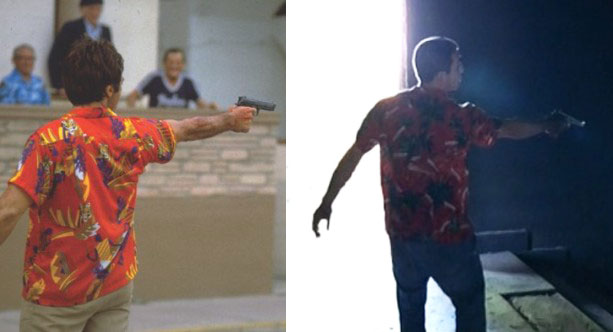
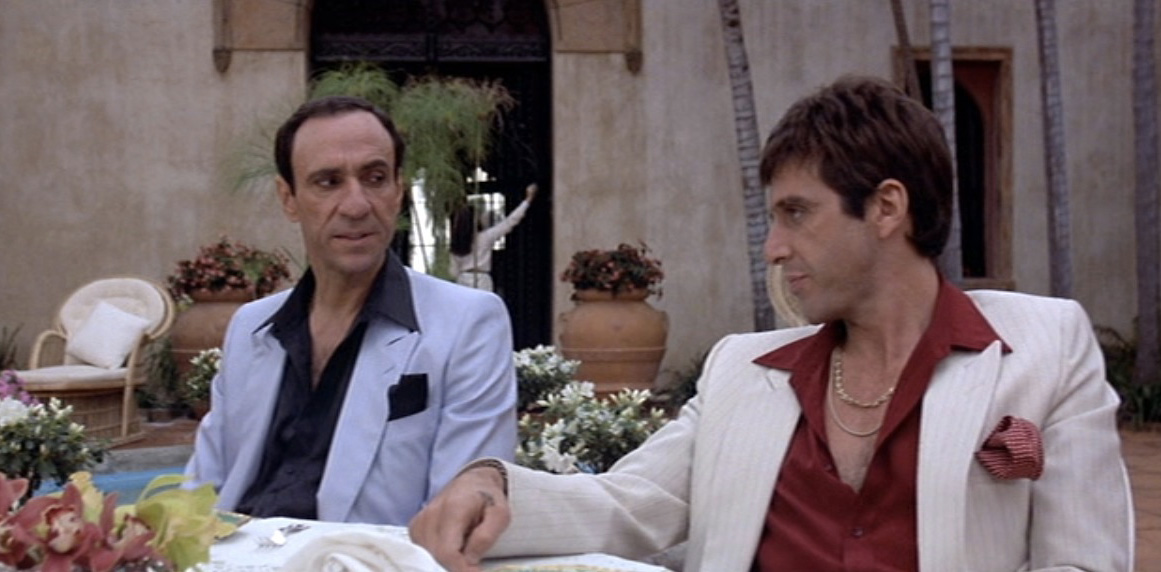
Perhaps the most poignant of these stories is the one of Marco and Sweet Pea, a pair of teenage gangster-wannabes. Deluded by what I referred to in a previous post as the “Scarface Effect,” Marco struts around in Hawaiian shirts yelling, “I’m number one.  Tony Montana! … Shit Colombians. They’re everywhere!” Of course, all of this is taking place in the slums of Naples, where the closest Marco and Sweetpea come to Colombia is through the diluted cocaine they pilfer off a group of petty drug dealers.

scarface gomorrah

Tony Montana                                     Bony Montana 

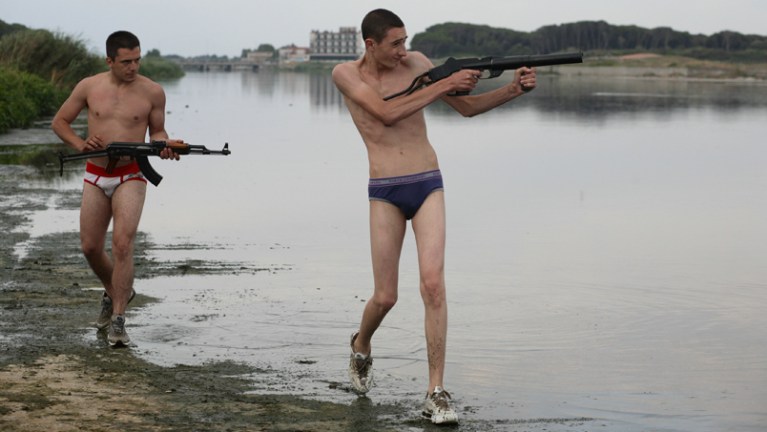
As Marco and Sweetpea score a big bag of blow and stumble on a cache of machine guns and grenade launchers, their delusions of grandeur only become wilder. They have the tools of their fictional heroes, but they’re still just kids acting out a fantasy—and a very dangerous one at that. The most memorable scene in Gomorrah shows the pair blasting AKs and heavy artillery on the banks of a river, clad in tight, Euro underwear.

gomorrah

Walter White would be proud.

Other story lines in the film follow a masterful tailor who attempts to profit from covertly working for Chinese competitors; a grocery boy who gets caught in a blood war and must choose allegiances; a young man who works for a morally reprehensible businessman who disposes of toxic waste in deadly fashion; and a skittish, gangland accountant who distributes payoff cash to the slum-living families of incarcerated gangsters.

gomorrah

Don Ciro, the sketchy payoff guy

The prevailing theme is that each character in Gomorrah has a shot at monetary gain, but said monetary gain is always at the expense of bloodletting. For those who choose to profit, death is right around the corner. For those who don’t, hopeless poverty is the reward.

With all this bleak, unrewarding depression in mind, one might ask why in the hell I’m recommending this film. Fair enough.

Like Iñárritu’s Biutiful, Gomorrah isn’t exactly “fun” to watch. (Although, unlike Biutiful, viewing it does not induce one to seek out a Prozac prescription.) In the same vein as Amores Perros and City of God, Gomorrah portrays a brutally graphic and honest depiction of a drug-driven, gangland culture and its inherent casualties. Like those aforementioned gems, Gomorrah is the kind of cautionary tale that is realistic enough—and so unsettlingly bleak—that it reminds viewers why, just maybe, aspiring to be the next Scarface is a pretty stupid fucking idea.

Would this have been the same movie without the inspiration of Alejandro González Iñárritu and Nicolas Winding Refn? Probably not. But if you like the stark depravity those two directors seem bent on, Gomorrah is a welcome addition to the canon.

GRADE: B+
IMDb: 7.0

-Sam Adams

NOTE: Of the laundry list of titles referenced in this post, City of God, Amores Perros, Y tu mamá también, Blue Is the Warmest Color and Nymphomaniac Vol. I & II are all on Netflix Instant.

Black Mirror on Netflix Instant: The Twilight Zone for the Attention-Deficit Generation

the national anthem black mirror
Standard

BY ADAM FOX

I clearly hadn’t done my due diligence on bleak boob tube when it was announced that British TV series Black Mirror would join the ranks of Netflix Instant. This, of course, happens on a weekly basis to many a television show of typically shoddy quality, but when I started to hear comparisons to The Twilight Zone and promises of pitch-black satire stuffed in each episode, I couldn’t help but give it a watch.

I can happily say with confidence that Black Mirror in its entirety is one of the best things on Netflix Instant, especially if the above-mentioned description appeals to you in the slightest. How could something so right up my alley from 2012 have Trojan Horsed me so? I don’t necessarily have my finger on the pulse of current British television, but after watching a handful of episodes of Black Mirror, I was surprised that something of such high-quality, pervasive creepiness evaded me for so long.

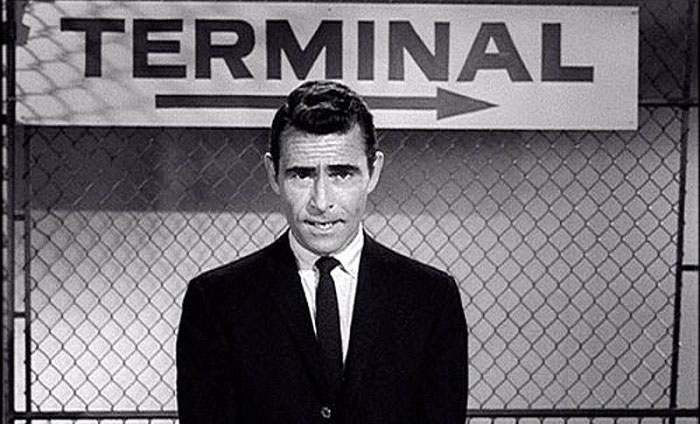
After the initial shock wore off, I was in for a real treat. Black Mirror is the brainchild of English satirist and broadcaster Charlie Brooker. It’s far from a traditional television series in that each of the two “seasons” contain a mere three episodes, clocking in at just under an hour each. Much like The Twilight Zone before it, each episode contains a completely unique premise with its own host of characters. It’s only in Brooker’s persistent thinly veiled social commentary that, as with Rod Serling’s legendary  narration in Twilight Zone, a thread of continuity exists. You don’t need to watch Black Mirror in any type of order, although it does help build anticipation for the gold nugget sandwiched in the middle of Season 2 (“White Bear,” which is probably the best of the bunch).

rod serling

The late, great Rod Serling

Every episode of Black Mirror is bleak as hell, has a lot to say, and is set in the not-so distant future. The most appealing part of Brooker’s science-fictioned setting is how engrossing and completely plausible it is. Brooker skips the hover-board and sports-gambling hypotheticals in exchange for something that hits a little closer to home.

Keep it. I've got a Pitbull now!

“Keep it. I’ve got a Pitbull now!”

Modern technology in its entirety is taken to the woodshed here, examining the roles of YouTube, Twitter, Facebook and Farmville as antagonists in the journey to be, and become, human.

The first episode of the series, “The National Anthem,” focuses on British Prime Minister Michael Callow (Rory Kinnear) and the abduction of Princess Susannah, Duchess of Beaumont (Lydia Wilson). The Princess is a much-beloved public figure with the people’s interests at heart, much like a Princess Di or Kate Middleton before her (the comparisons being undoubtedly intentional). The kidnappers are wholly unknown, but whoever is behind the plot filmed a ransom note in the form of an eminently sharable YouTube video showing a bound Susannah directly addressing PM Callow. [MINOR SPOILERS] To ensure her safe release, he must fuck a pig on live television by 4 p.m. that afternoon.

david cameron pig sex

David Cameron says, “I’d fancy me a proper swine shaggin’.”

It’s certainly pitch-black comedy and it’s intended to be, but the tone of the episode flawlessly descends from lighthearted to soulcrushing as we’re put in the place of a man in a position of power faced with a very real decision. The attitude of the British public changes as well, with 87 percent of the population wholeheartedly supporting sex with swine so long as it leads to seeing their beloved Princess Susannah once again. I won’t spoil the ending, but it’s hardly explicit while simultaneously being difficult to watch as we see Callow risk everything in the face of the seemingly omnipotent court of public opinion, exacerbated by the potency of social media.

the national anthem black mirror

“Things were so much simpler when all PMs had to do was terrorize Ireland and imperialize third-world nations…”

“The National Anthem” is an excellent, scathing initiation into the futuristic environs of Black Mirror. It’s not the strongest episode of the set, but like those that follow after it, it will disturb the shit out of you and keep you reflecting on it long after it’s finished. This characteristic, to me, is the linchpin of any work worth its weight. I was skeptical at first upon being lambasted with endless Twilight Zone comparisons that heightened my expectations, but Black Mirror has soundly exceeded every one of them. “The National Anthem” offers plenty of satire that might only truly stick with native Brits conscious of their own political state, but it’s also a strong word of caution that echoes universally.

Grade: A-
IMDb : 8.1

Stake Land on Netflix Instant: Vampocalypse, Now!

stake land
Standard

An original narrative is roughly as valueless to a post-apocalyptic film as a stack of Benjamins is to its characters. Need proof? Indulge me for a moment:

  • In Zombieland, a young, skittish boy is saved and turned into a man after being trained by a grizzled, hard-drinking reaper of the undead.
  • In Season 4 of The Walking Dead, the gang (including a boy who’s become a man through zombie-killing) goes in search of a reputed safe haven where a thriving society is promised.

Zombieland is, of course, a parodied recapitulation of every zombie movie ever (wherein boozing pretty much goes hand-in-hand with walker-slaying). And that Walking Dead premise of searching for the sanctum away from the undead hordes has been done ad nauseam (28 Days Later, I Am Legend, etc.).

harrelson zombieland

“Just ask my guy Rust Cohle—it takes whiskey to fight monsters.”

In 2010’s Stake Land, a young, skittish boy is saved and turned into a man by a grizzled, hard-drinking reaper of the undead, with whom he takes off for a reputed safe haven. Yes, the concept is about as fresh as a decomposing corpse in a farm house off a shady dirt road. But, as in all matters of postapocalyptic survival and success, its the execution that counts. And for a low-budget, devilish little vampire road-movie, Stake Land hits the wooden pike on the head.

stake land drinking

“Didn’t you see Zombieland, kid? We ain’t gettin’ nowhere without some car drinkin’.”

The acting is formidable enough, and the vamps—while nothing special—are far superior to the CGI bastardization that occurred in the aforementioned “meh”-inducing adaption of Richard Matheson’s brilliant novel I Am Legend.

i am legend bad cgi

I Am Legend: CGI that made South Park look like photorealism.

So if I’m pointing to one reason why Stake Land is among the best postapocalyptic films of the past decade, it comes down to one man: Jim Mickle.

Mickle is one of two up-and-coming, grim-bent directors whose every project I eagerly await (the same way I did for Neil Marshall after Dog Soliders and The Descent… Let’s just pretend Centurion and Doomsday never happened). The other would be Jeff Nichols, who’s basically the Daniel Woodrell of cinema. Nichols’ Take Shelter and Mud (on Netflix Instant) are both of the must-watch caliber. And his 2007 project, Shotgun Stories (also on Instant), is a great companion piece for anyone who liked Blue Ruin. I also love that Nichols has chosen to make the great Michael Shannon the Dicaprio to his Scorsese.

michael shannon

Michael Shannon delivering one of Take Shelter‘s more memorable lines.

But back to Mickle. He’s got a deft hand for filming the bleakest and moodiest of landscapes and imbuing his pared-down tales with an unrelenting current of suspense. After knocking it out the park with Stake Land, he did We Are What We Are (also on Netflix Instant—wouldn’t highly recommend it, but again, great cinematography and totally worth your while). His most recent project was Cold In July, which just so happens to be my favorite movie released this year (rent it if ye can).

OK, let’s get into the meat and bones of Stake Land—the best vampire flick since Let the Right One In. Our aforementioned boy-and-man duo are Martin (Connor Paolo) and  his mentor, known simply as “Mister.” After a crash-course in vamp killing played over title credits, Martin becomes the Karate Kid to Mister’s Mr. Miyagi (you obviously can’t go wrong with a good Mister.)

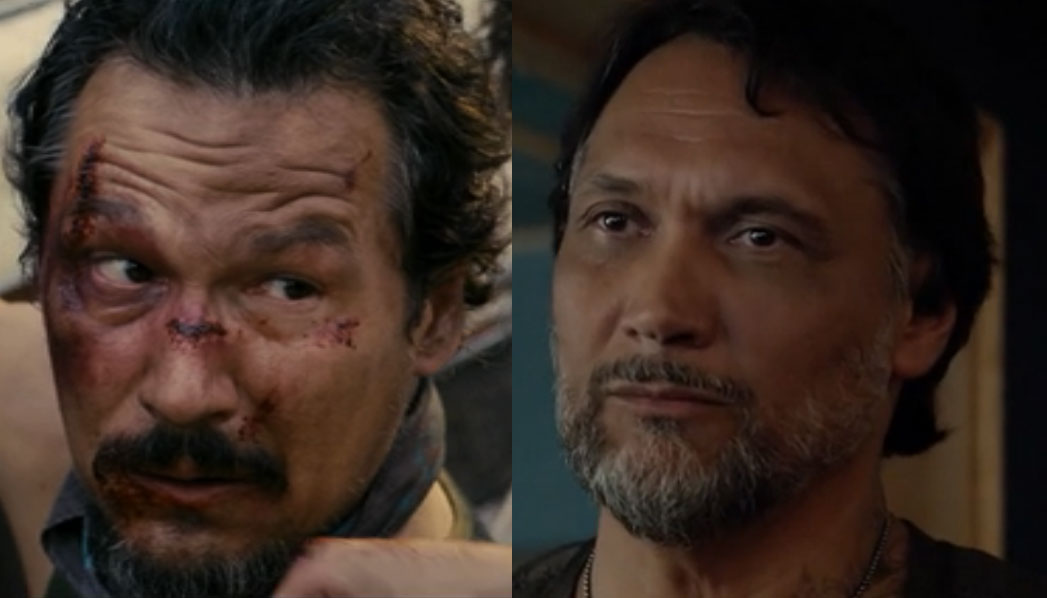
What also makes Mister cool is that he’s a dead-ringer for Jimmy Smits’ Nero character on Sons of Anarchy.

smits damici

“Let’s kill some vamps, mano!”

An opening montage of stark countryscapes is narrated by Martin, who lets us know that D.C. has fallen and with it, the nation as we know it. Major cities are to be avoided, and religious zealots run the show, capturing and unleashing vamps upon their enemies in the form of bipedal biological weapons. To avoid this shitstorm, Martin and Mister decide they better make their way to a purported sanctuary known as “New Eden.”

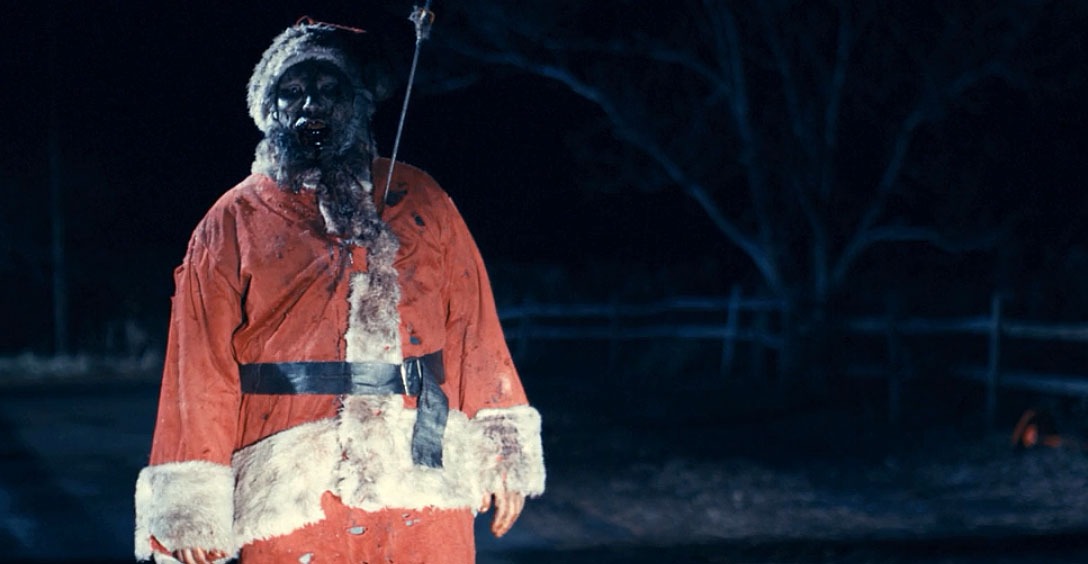
On the way, we’re introduced to several interesting vamp mutations. There are “beserkers” (the oldest of the vamps, and hard to kill), “scamps” (kiddie vampires who are still in the teething stages), and a more evolved brand of vamp that harkens the character of Robert Neville from I Am Legend. There’s also some great George Romero camp thrown in by the way of an undead Santa.

santa-vampire-stake-land

All I want for Christmas is my two front fangs...

Stake Land borrows across genres, tropes and oft-explored notions (Does garlic work? Maybe, maybe not, but it can’t hurt.) In no way is this film reinventing the wheel, but for a beautifully shot, low-budget vampire thriller, it really couldn’t get much better. Fans of The Walking Dead, particularly, should watch this without hesitation. After all, it does in 98 minutes what that show’s been grinding at for five years.

GRADE: A-
IMDb: 6.6*

*Remember: IMDb grades for horror movies run much lower than for dramatic fare of equal caliber.

In Bruges on Netflix Instant: Holidaying Hitmen and Irish Wit, Low Assembly Required

in bruges
Standard

BY ADAM FOX

Three thoughts cross my mind when watching 2008’s cult crime-comedy In Bruges:

  • I remember when Colin Farrell was supposed to be the new action mega-star of our time;
  • I really need to visit Belgium, and;
  • I’m embarrassed how writer/director Martin McDonagh’s depiction of American tourists is regrettably and painfully spot-on.
farrell

“I coulda been a contender…”

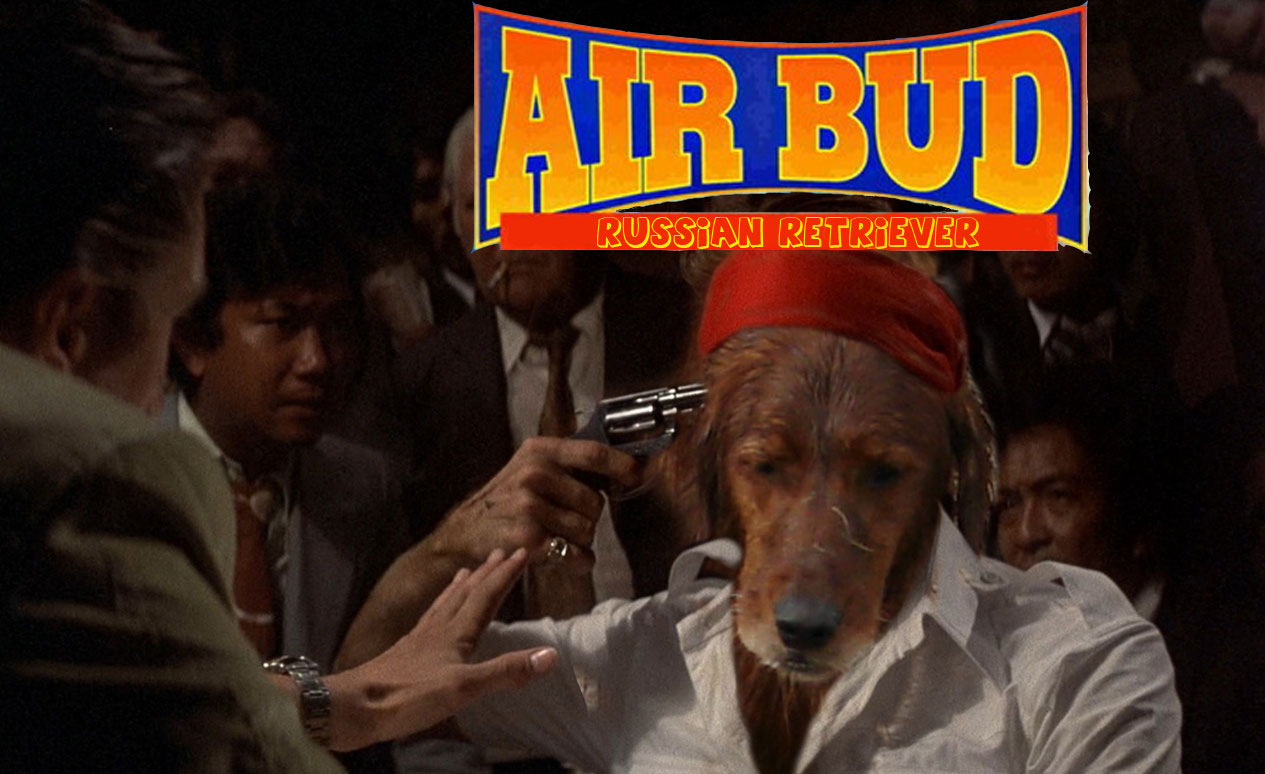
Which begs the question: Why is this film perpetually in the monolithic wasteland known as a department store’s $5 “bargain bin?” That space is relegated to future installments of the Air Bud franchise, with the vacant-eyed golden performing in increasingly obscure sports. Perhaps the price tag is an accessible way to ensure that the film finds a home in every cinephile’s library. Either way, In Bruges is an excellent, tidy representation of the assassin genre, and is refreshingly cerebral in comparison with its like-minded counterparts.

bud

“HE’S ONLY GOT ONE SHOT…”

Rookie hitman Ray (Farrell) and his partner Ken (Brendan Gleeson) are sent off to the quaint medieval town of Bruges, Belgium by their crime boss Harry (Ralph Fiennes) after Ray mistakenly kills a child in an operation gone awry. They’re confined to a tiny, inconspicuous inn and told to wait for further instruction from Voldemort himself before departing. Ken is the glass-half-full vet who attempts to enjoy all of the cobblestone-covered offerings in this “fucking fairy tale” of a city, while Ray, rather ironically, despises Bruges and all that it represents. In what is essentially Disney’s Fantasyland spread over a more generous acreage, it’s humorous to witness Ray’s gigantic axe to grind with the innocently charming Bruges.

BRUGES

“I feckin’ love Bruges!”                      “I feckin’ hate it!”

Ray, at the behest of optimist Ken, begrudgingly tries to make the most of his time stuck in this desolate hell-hole and ends up meeting beautiful Belgian Chloë (Clémence Poésy) on a movie set not dissimilar to Eyes Wide Shut, but with little people amongst the Venetian masks. On an ensuing date, Ray is hilariously up front about his career choice and is somewhat nonplussed when Chloë reveals hers—a production assistant who also deals drugs (an important position undoubtedly high up on the Hollywood pecking order). Ray’s gloomy disposition changes drastically when in Chloë’s company. But he still fucking hates Bruges.

clemence poesy in bruges

Clémence Poésy: More beautiful than Bruges

(SPOILER ALERT, following paragraph only:)
After some time passes, Ken receives the call from Harry/He-Who-Must-Not-Be-Named to take Ray out on a boat and Fredo Corleone him. Harry is a complicated and neurotic character who also happens to be a man of principle, and decides that Ray must face justice for shooting a child, accident or not. Ken just can’t pull the trigger on his partner and, after attempting to get Ray out of Dodge completely, incurs the wrath of Harry who decides to head into town and deal with the situation himself. What results is an epically gorgeous beer-battered shoot-‘em-up through the windy, narrow streets of Bruges.

voldemort

“Kill the Irishman!”

The dialogue in In Bruges is particularly smart, snappy and positively Irish, driven by the strength of Farrell, Gleeson and Fiennes’ performances. There’s a moral gravity associated with the choices the characters make throughout the film, interspersed with sweeping commentary on ethics. But each of the three lead actors look like they’re having a fucking blast filming the scenes, which in turn makes it extremely enjoyable to watch, and much easier to swallow the larger story arc the film offers. In Bruges isn’t the reel companion piece to Dostoevsky’s Crime and Punishment or anything, but there is a little more at stake than just the lives of expendable characters the audience doesn’t actually care about (as crime movies can often stray).

Bruges, Belgium is obviously a major player and the unsung hero of the film, occupying significant real estate in the story without turning it into some type of travel documentary. I’m not exactly sure how an unassuming little village like Bruges came to be the consensus centerpiece of a crimedy, but it works beautifully. Eschewing more common European locales like London, Paris and Venice affords it an immense amount of unexplored flavor. The scenes themselves aren’t too unfamiliar for fans of the genre, but they’re somehow different and more memorable with a background of belfries and bridges that closely resemble Arthurian legend.

in bruges

“Feckin’ gorgeous, eh?”

In Bruges is viciously rewatchable, enormously entertaining, and Colin Farrell’s crowning achievement over a long-spanning career in films wholly inferior to this. There’s something very vintage about the character- and dialogue-driven In Bruges, easily dismissed by the short attention-spanned Michael Bay adherents but coveted by the jaded critic-codgers like myself. It tells a story thoroughly yet succinctly, hitting all the right strides in making its comedic moments actually funny and its action moments tense.

There’s a great chance you watched this back in 2008 as it was released along with a healthy amount of fanfare for a movie of its size, but it stands the test of time incredibly well and was even better than I remember it being. In Bruges is proof that if you want to keep your finger on the pulse of adrenaline-seeking theatergoers, you don’t necessarily need to beat them over the head with CGI.

IMDb: 8.0
GRADE: A –

I Saw the Devil and The Man from Nowhere on Netflix Instant: Vengeance, Horror and “Han”

great korean thrillers
Standard

Over the past decade or so, I’ve probably watched more movies from North and South Korea than any region outside the U.S. This is not on purpose. By no stretch am I a Koreaphile. After all, the only words I know in Korean are bulgogi, banchan and kimchi. “Bulgogi,” as defined by Merriam-Webster’s, is the kind of meat I like at the Korean joint. “Banchan” is all that delicious free shit that comes with the bulgogi. And kimchi, which gets served as part of the banchan before the bulgogi, is, of course, kimchi.

Oldboy octopus

Live-octopus eating in Oldboy—definitely not banchan.

Now that we’ve been through this history lesson, I’ll get to a new word that speaks more specifically to the films I’m about to recommend. That word is “Han.” The problem with discussing “Han,” in my limited research, is that it has no English equivalent.

han

American Han                                                                 Korean Han

The great theologian Suh Nam-dong, whose work is rivaled in my intellectual storehouse only by my knowledge of the Korean language, defines Han as a “feeling of unresolved resentment against injustices suffered, a sense of helplessness because of the overwhelming odds against one, a feeling of acute pain in one’s guts and bowels, making the whole body writhe and squirm, and an obstinate urge to take revenge and to right the wrong—all these combined.” Wait, I think we do have a word for that: “Coldplay.”

I bring up Han because it speaks in many ways to every Korean film I’ve seen. And even if you’ve only seen a few Korean movies, you’ve probably been dosed with the Han as well.

If one Korean film comes to mind for people who like the film genres I discuss on this blog, chances are its Oldboy (2003 original—not the bland remake starring Brolin and the Olsen Twins’ hot younger sister. If that was a “Spike Lee joint,” then dude must be rolling oregano into his Rizlas).

Spike Lee Oldboy

Facing Jordan in the playoffs and the Oldboy remake: Two things Spike would like to forget.

I apologize if I’m misappropriating the term Han, but it would appear that many of the primary themes in Oldboy—vengeance, gut-wrenching pain and helplessness—are all part of it. And so it is with every other movie I’ve seen by the masterful South Korean director Park Chan-wook, whose Vengeance Trilogy was my gateway into Korean cinema.

These movies are pretty much as grim, savage and unapologetically violent as anything this side of a snuff film. Chan-wook summons narratives straight from hell and puzzles them together in maniacal symphonies. His photography and imagery are stunning, and his actors constantly deliver riveting performances. In short, these are magnificent films—they’re just completely fucking sick and twisted.

This brand of Han-inspired horror seems to be a prevailing theme in Korean thrillers. Directors such as Joon-ho Bong (The Host, Mother) and Kim-jee Woon (I Saw the Devil) have employed the same grotesque violence and soul-shattering bleakness to similar degrees of cinematic success. In all, this recent Korean horror-thriller-Han movement can perhaps be best described as the eloquent, sophisticated cousin of “torture porn” (or whatever you want to call that Saw and Hostel stuff.)

If you’ve got the stomach for it and aren’t scared away by subtitles, there is a treasure trove of evil to access via the lands of Kim Jong-il and Psy.

Let’s start with a few of my favorite South Korean flicks on Netflix Instant (consider this Part One in a series):

I Saw the Devil
i saw the devil
You might recognize the bloody visage above as that of Choi Min-sik, the South Korean A-lister who starred in Oldboy and Sympathy for Lady Vengeance. In I Saw the Devil, Min-sik plays Kyung-chul, a psychopathic murderer who berates his victims in a cavalier tone as he goes to town on them with all manner of blunt objects.

The film’s first sequence opens in true slasher form, as a beautiful woman sits in her car in a desolate rural area, waiting for roadside assistance to fix a flat tire. Before the tow truck can get there, a school bus driver stops by and offers to give a hand. Within a matter of minutes, we’re introduced a villain who gives Hannibal Lecter a run for his money.

After this grim opener, what follows is two-plus hours of the most diabolical, depraved Han. Kim Soo-hyeon, the fiancee of one of Kyung-chul’s victims, happens to be a trained special agent. He uses his investigative wiles to track down the killer, and engages in a carnage-riddled game of cat and mouse, wherein the hunter becomes the hunted. Soo-hyeon’s mission is to inflict as much pain on Kyung-chul as possible before killing him. But someone should have told him that its much safer to bludgeon the devil to death than to dance with him.

I saw the devil

Kim Soo-hyeon takes a long cigarette break…

I’ll leave any further details of the narrative to the viewer. But one scene that really stands out is an impromptu dinner party at the house of Kyung-chul’s cannibal buddy. The flesh-eater is one of those grimly goofy caricatures that these films tend to rely on for comic relief. He fiendishly chuckles and cries as he feasts on some raw, human bulgogi complemented by a mean banchan spread.

I saw the devil banchan

“You gotta try the liver with the pickled bean sprouts. It’s to die for!”

I Saw the Devil is most definitely not for the faint of heart. This is some bleak, sick shit that makes Silence of the Lambs look like CSI: Miami. The story is superbly woven and gets bleaker with each step (and Devil‘s narrative is also much less muddled than some of Chan-wook’s stuff). Director Kim-jee Woon’s film is also beautifully photographed, almost to the point where you wonder how something so unabashedly gruesome could be so aesthetically appeasing. The crowning achievement, however, is Choi Min-sik’s portrayal of the homicidal maniac. The man is simply a fantastic actor (no wonder Hollywood recently tapped him for the big-budget Luc Besson flick Lucy).

If you can stomach suspense with a hefty dose of ultra-violent horror, I Saw the Devil is one of the best thrillers you’ll find on Netflix Instant.

GRADE: A- / A
IMDb: 7.8

The Man from Nowhere
the man from nowhere
Despite featuring a main theme of child-organ harvesting, The Man from Nowhere is actually pretty tame when it comes to bleak, Korean thrillers. This relative tameness is mainly because when a guy is maimed with a hatchet or immolated via a jerry-rigged propane-to-gas-lamp device, we don’t get a prolonged shot of his head being split in half or his body burning as he wails in pain. Somewhere, Park Chan-wook is shaking his head.

The Man from Nowhere begins with a drug-bust sequence where the estranged Korean cousin of Game of Thrones‘ The Mountain is ambushed at a nightclub. Amidst the shattering of tables and bottles, a junkie prostitute manages to sneak off with a brick of heroin.

the man from nowhere

“Hey, you’d be pissed too if Spike Lee was replacing you with Tony Siragusa in the remake.”

Fast forward to an apartment building where the junkie lives with her young daughter. Here we meet our protagonist, a brooding man who lives in the building and runs some sort of pawnshop. He doesn’t say much at first. He mostly just mopes around, looking like a K-Pop heartthrob who can’t bear the weight of the world.

the man from nowhere

It’s unclear whether our man is about to go on a hell-raising killing spree or join the Alkaline Trio.

Much to the chagrin of junkie mom, the man strikes up a friendship with the daughter, a bullied loner nicknamed Garbage. “Pawnshop Ghost and Garbage,” she says to him of their monikers. “Sounds like a rock band, doesn’t it?”

The close tie between the two becomes the reason Pawnshop Ghost breaks out of his gloomy shell and emerges as the Korean Jason Bourne. To keep spoilers to a minimum, Garbage gets in trouble, and Pawnshop Ghost is the only man who can save her (think Taken, but with much prettier male hair).

What ensues is a grim, fast-paced action-thriller that toes the line between mayhem and melodrama. And our man proves that he will go to any length to exact revenge. He eventually goes so far as cutting his hair, which defeated my theory that the final twist to this film was gonna be that Pawnshop Ghost is actually a modern-day Samson.

Man from Nowhere Hair

 “Not the hair bro, not the hair!”

As in most dark Korean films, there’s an array of oddball villains and inept cops who often serve as comic relief. One of the most effective of these is the devilish Jong-seok, an androgynous crime boss who deals in kidnapping and organ harvesting. He’s really fucking creepy, and like our protagonist, doesn’t seem to realize that bangs covering his eyes might be a hinderance to his ability to fight or operate a vehicle.

the man from nowhere

“Yes, my parents are Tilda Swinton and Cousin It. Have you heard Ziggy Stardust? Fantastic album.”

The Man from Nowhere excels as both an action-packed thriller and a dark drama that has a little more heart than what Park Chan-wook fans might be accustomed to (or at least a little more still-beating heart). This movie is also a lot more accessible to your casual American viewer than other Korean organ-harvesting gems like Chan-wook’s Sympathy for Mr. Vengeance.

My only reservation with this film is that while the relationship between Pawnshop Ghost and Garbage is certainly moving (and the child actress is fantastic), this connection is also used as a platform for a level of melodrama that verges on sappy. I understand that this smarmy, emo shit is a trait inherent to many forms of Korean entertainment, but personally I prefer my Han served a little less soap opera. Still, bolstered by a compelling narrative and incredible fight scenes, The Man from Nowhere emerges as one of the stronger films in this genre of dark, Korean thrillers.

GRADE: B+ / A-
IMDb: 7.9

-Sam Adams

Note: All three films in Park Chan-wook’s Vengeance Trilogy are available on Netflix Instant. If you’re interested in this post and haven’t seen Oldboy, check that out before you watch either of the films I’ve recommended. It’s the gold standard—I just assume that most folks reading this blog have seen it.

El Infierno on Netflix Instant: Narcocorridos, the Scarface effect and Hell on Earth

El Infierno
Standard

El Infierno (2010, aka El Narco, aka Hell) is in equal parts one of the best and also most disturbing films on Netflix Instant. To be clear, it’s not the cinematic violence that’s so disturbing—although the brutality inflicted on screen is just as vicious as that of your average Tarantino flick (and many heads do roll, quite literally). What’s deeply unsettling about this film is the harsh realities it’s steeped in, and how gruesome they are when confronted.

Confrontation, as a matter of fact, is exactly what director Luis Estrada employs—only he does it in a way that’s as morbidly ironic as the “narcocorridos” (celebratory druglord ballads) that revel in the bloodlust of the film’s villainous protagonists.

But before we dive in to the not-so-subliminal politics of one of the greatest and most important Mexican movies ever made, let’s start with the premise.

Benny García (Damián Alcázar) returns home to Mexico after 20 years of working stateside. An early sequence—set comically to the tune of a ballad about Mexican-American pride—shows Benny deported and robbed blind by cops and criminals as he makes his way back to his mother’s house, where he set out from two decades ago. He greets his mother as a ragged man with nothing to show for himself, save his boyish smile.

el infierno

“Hi, mom. It’s me! I’m broke!”

Benny soon begins facing some hard truths. His hometown (the fictional San Miguel Arcángel) has become a haven of crime and murder, and his brother was killed as a byproduct of the drug violence that’s devastated the area. He views all this with the wide eyes of a man who seems to be setting foot in a foreign country.

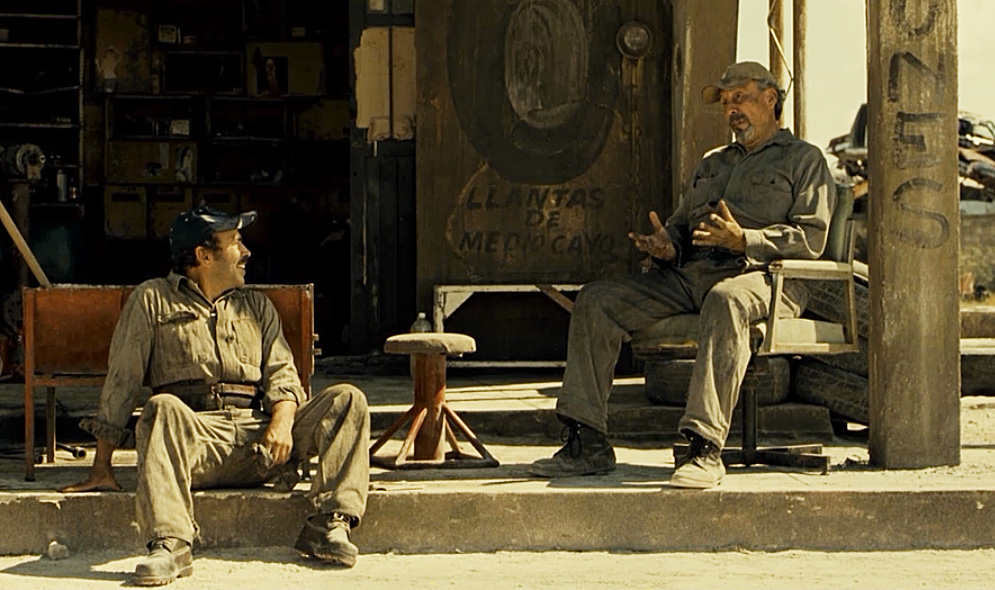
While Benny makes a go at keeping on the straight and narrow by working at his godfather’s auto repair shop, it proves just as futile as everything else he’s done in his forgettable existence.  Then he takes up with the drop-dead gorgeous, prostitute ex-lover of his brother. To provide any sort of life for her and her son (Benny’s nephew), it becomes clear that a grease monkey’s paycheck simply doesn’t cut the mustard.

el infierno

It’s hard out there for a pimp…

That’s where one of El Infierno‘s best characters comes into play. Benny runs into a boyhood friend who’s become a mafioso known as “Cochiloco.” Cochi is played by the great Mexican character actor Joaquín Cosio (who you can also see on Netflix Instant in A Night in Old Mexico and Saving Private Perez—both of which are campy genre fun, but neither of which I can highly recommend).

Joaquín Cosio

Joaquín Cosio as Cochi—one badass narco.

With the aid of Cochi, Benny breaks bad and begins working as a cartel enforcer. Speaking of “breaking bad,” if you’re at all familiar with narcocorridos, it’s most likely through Vince Gilligan’s show:

http://www.youtube.com/watch?v=BUmpTKXpIdM

Before we continue, I can’t help mentioning some interesting parallels between this movie and Sam Peckinpah’s Bring Me the Head of Alfredo Garcia, a film which ranks firmly in my all-time top ten.

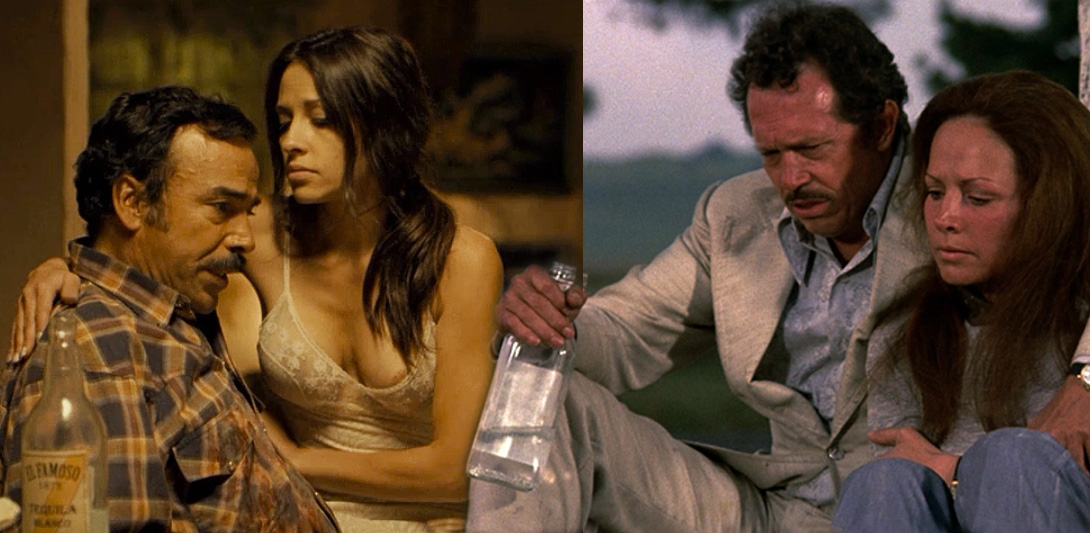
In the one movie where Peckinpah was given absolute creative control before he went batshit on tequila, the great Warren Oates plays a down-on-his-luck guy named Bennie. Bennie is in love with a beautiful Mexican prostitute. Bennie loves tequila blanco. Benny is searching for the head of a man named Garcia.

el infierno and bring me the head of alfredo garcia

“Nice dame, Bennie.”                               “You too, Benny.”

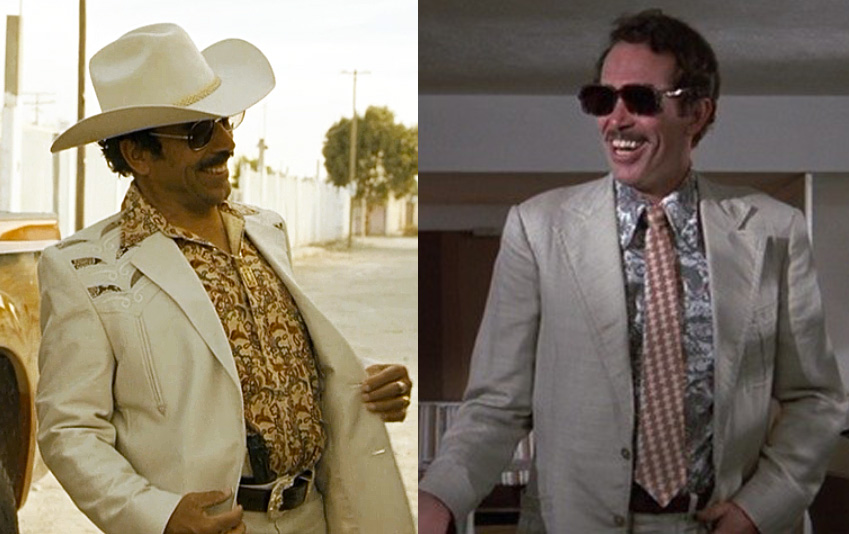
In El Infierno, a man named Benny Garcia drinks a lot of tequila blanco and is in love with a beautiful Mexican prostitute. His cartel boss, who looks and behaves like El Jefe in Alfredo Garcia, demands that heads be brought to him. And to avoid spoilers, the fate of Benny and Bennie play out in almost exactly the same fashion. Shit, Damián Alcázar and Warren Oates even look alike with their white suits, tinted shades and Western mustaches.

el infierno

“Lookin’ good, Bennie!”                            “You too, Benny!”

Moving on.

The story of El Infierno is epic, to say the least. It’s a grand-scale tragicomedy that comes off both as a fiendishly entertaining gangster movie and an indictment of the cyclical, epidemic violence that is currently devouring much of Mexico.

Perhaps this is where I should address why I find it hard to write about this film. Obviously, this here blog is about all the violent and twisted entertainment that us crime/thriller/horror adherents adore. El Infierno, conversely, is a masterfully horrific, violent thriller that might as well be a mirror held to the type of psyche that appreciates such forms of entertainment. Furthermore—and only if one bothers to think about it—the film shows how such an appreciation can actually perpetuate unspeakable evils in that place out there called “real life.”

Don’t get me wrong—this movie isn’t going to make me stop writing about violent movies or appreciating them. But I would be doing a disservice to a great piece of filmmaking if I simply said, “You have to see this! It’s the best cartel movie since Scarface!”

scarface

“Ask the Bennies, mang—joo cain’t argue wit a fuckin’ white suit!”

Which leads to another another admission: I’m not a fan of Scarface. And not because it’s a piece of ’80s schlock with a shallow script and far too many canned performances. The issue I have is a moral one (yes, El Infierno has driven me to address that taboo subject).

Essentially, Scarface took something a little too bad and made it look a little too good. Case in point: Just ask any shitty mainstream rapper who touts gun violence, female subjection and murder what their favorite film is. The ubiquitous answer is, of course, Scarface.

chief keef scarface

Ask Chief Keef if he sees Scarface as a “cautionary tale”…

Brian De Palma’s 1983 cult classic has unfortunately transcended what crime-film lovers like myself deem a guilty pleasure. It’s become a badge of honor, a gang tattoo—the theme song to a generation of violence, with a message that killing human beings will get you ahead in this world. A message that, without a doubt, has inspired many human beings to kill other human beings.

I’m not trying to get all Tipper Gore on your ass and say that kids are gonna go kill other kids if they listen to The Slim Shady LP. But I am of the opinion that when impressed upon weak minds, glorified depictions of cinematic violence have the distinct possibility of influencing acts of similar violence in the real world. James Holmes, the Aurora shooter, would have undoubtedly done some awful shit if he hadn’t seen the Dark Knight movies. Still, he probably wouldn’t have killed 12 people specifically at a Dark Knight movie while dressed like the Joker if he hadn’t been influenced by those movies.

And the argument that Scarface is a “cautionary tale” is just ridiculous. Before he died, Tony Montana got rich and powerful as hell, fucked Michelle Pfeiffer and essentially got everything there is to get out of the material world. If you have nothing, a mere glimpse of that is probably worth a pine box to a lot of people.

Michelle Pfeiffer

Young Michelle Pfeiffer: A Dame to Kill For

That’s not to say that I’m judging anyone for buying into the narco lifestyle. El Infierno makes it abundantly clear that in a broken system, the choices for the impoverished are either a long, fruitless life of piety or a life of flashy crime. When Benny asks Cochi if he’s worried he’ll go to hell for his sins, Cochi responds, “Hell, my ass. Hell is right here.” And the landscape of El Infierno is hell, for both citizens and violent narcos alike.

The film’s method of portraying this violence while also ridiculing the viewer for watching it can be most aptly summarized through its use of narcocorridos. These are, after all, hero anthems about people who kill both gangsters and innocents. And those innocents who’re being gunned down every day in places like Juárez? They’re very much the same audience who’ve made narcocorridos the most popular style of music in Mexico over the past several years.

In other words, this violence exists in the mainstream because we as consumers demand it. Nevermind that it only further fuels the fire of a culture of murder and destruction.

Does this all sound really fucking bleak and as if places like Juárez are eternally doomed because its victims support its killers? Good, that’s what Luis Estrada is going for. As the director said in an interview with the LA Times, “Mexicans have become the victims and the executioners, all at the same time.” (It should be noted that Hollywood and American consumers are equally to blame.)

El Infierno is as entertaining and hilarious of a gangster flick as I can think of in recent years. Underlying all that, however, is a deeply ingrained sociopolitical message that points a finger at those of us who tacitly support this violence by buying into the cinematic allure of it. “No one can see this picture as just entertainment,” Estrada told the Times. “There is no redeemable person in the film. There is no hero, no vision of hope. All the characters are bad or worse.”

El Infierno

A fool’s pride

Unfortunately, this message will no doubt  be ignored by many who see the life of a narco as a brief but worthwhile avenue to a level of power and respect that they could never accomplish as an ordinary citizen. So if you want a movie like Scarface and don’t need all this high-horse morality shit from me, I promise you’ll still love El Infierno. (However, it has subtitles, which you probably don’t fuck with if Scarface is your favorite movie.)

In all, El Infierno is a brilliant film in which Estrada accomplishes the unique feat of offering a desperate plea to the masses in the same breath that he appeases their bloodlust. It’s left to the audience which of these messages they’d like to take home.

-Sam Adams

Grade: A
IMDb: 8.0

NOTES: If you want a view into the subculture of narcocorridos and the destructive role of narco culture in Mexican society, check out the excellent documentary Narco Cultura (also available on Netflix Instant).

Other great Mexican movies on Netflix Instant include Amores Perros and Y tu mamá también.


Let the Right One In vs. Let Me In: Bleak landscapes, creepy kids and half-assed CGI cats

let the right one in vs. let me in
Standard

BY ADAM FOX

Adolescent vampires, as they pertain to horror, represent a relatively unexplored genre. Maybe I should specify before incurring the wrath of Stephenie Meyer disciples everywhere: Adolescent vampires as the archetypal monsters-under-the-bed are a bit of an unknown commodity.

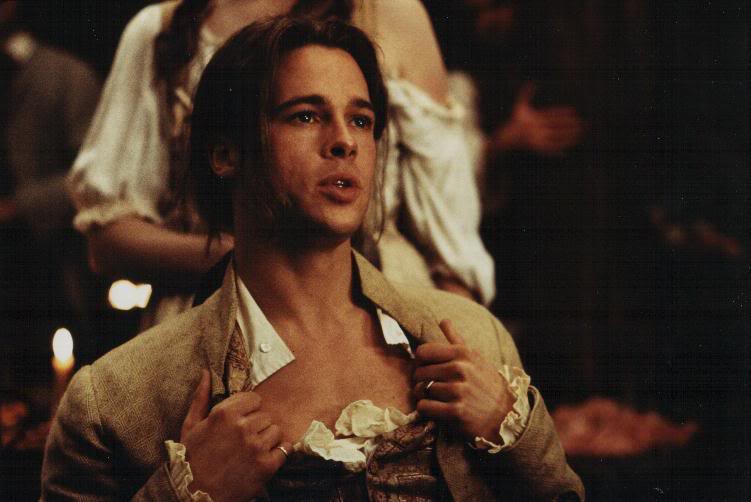
In fantasy lore, it’s probably understood that humans would wait until they’re at twenty-something Brad Pitt levels of attractiveness and physique before taking the immortality plunge. Why let the fangs sink in well before you develop a devil-may-care smile and a dashing ponytail?

interview with the vampire

“I’m … too sexy for my shirt.”

Perhaps this is why I felt Let the Right One In, based on the Swedish novel of the same name, was so groundbreaking the first time I watched it. Little kids (in all of their inherent creepiness) have been done to death in horror films, dating back to 1976’s The Omen and continuing through 2010’s Insidious. It’s the innocence paired with evil, along with active imaginations, that make the young such scary vectors of the paranormal.

horror kids

Damn(ed) meddling kids!

Let the Right One In—available on Netflix Instant—bites into this formulaic trope with fresh fangs and manages to give it new life. Bullied 12-year-old boy Oskar makes friends with a recently arrived neighbor named Eli, a girl around his age. After a little bit of hesitation on both ends, the two develop a very close friendship. Oskar soon discovers that Eli isn’t quite what she seems, and is in reality an ageless vampire that requires daily feedings of fresh human blood to remain satisfied.

(MINOR SPOILERS AHEAD) After Eli’s human caretaker dies, Oskar assumes the role of her chef, wrangling human prey for her consumption. Eli eventually has to leave amid the unexplained disappearances of her victims, but not before she returns the favor and helps Oskar in one of my favorite final scenes in any horror film. Ever.

This movie was remade rather unnecessarily for American audiences in 2010 under the moniker Let Me In. The film wasn’t bad per se, but rather echoed the laziness of Hollywood in churning out unoriginal, low-risk product. To make up for this, director/screenwriter Matt Reeves changed a few components of the original, some for better and some for worse. So it wasn’t just Psycho, in color, starring Vince Vaughn.

psycho

“My hotel’s so fuckin’ money and you don’t even know it! I got this peephole for watchin’ all the beautiful babies.”

LOCALES: Wintry Sweden vs. barren Los Alamos

Let the Right One In’s environment is mysterious, still and snowy. For anyone who’s ever lived in cold climates that receive lots of the white stuff, there’s sort of a blanketing quiet that is the signature of the season. It lends itself so well to the film’s disturbing and contemplative tone, and the external shots are downright eerie.

let the right one in

Several scenes in Let the Right One In were shot in Luleå—a coastal city in northern Sweden with a subarctic climate.

In Let Me In, they choose the sandy scientific haven Los Alamos, NM as the backdrop. It’s not an awful choice for a horror film by any stretch, but you don’t see enough of the environment for it to be a major player like it is in the original. There’s some spooky shit that occurs in rural New Mexico that doesn’t involve meth or Los Pollos Hermanos distribution lines, but the remake doesn’t quite spotlight the “where” as effectively as the original. It just sort of comes across as Anytown, USA, which was disappointing for someone who lived for several years in New Mexico and knows how disquieting the desert landscape can be.

ACTORS: Kåre Hedebrant & Lina Leandersson vs. Kodi Smit-McPhee & Chloë Grace Moretz

Kåre (Oskar) and Kodi (Owen) capture the awkward dispositions prescribed to their respective characters quite masterfully. Both are bullied loners in their worlds, saving things like newspaper clippings reporting gruesome crime scenes while also electing to stay indoors at all times where it’s safe. The real edge of the original, however, comes in the strength of Lina’s performance (Eli) vs. Chloë’s (Abby).

Oskar

Oskar (Team Eli) and Owen (Team Abby)

Chloë Grace Moretz is a fine child actress who is no stranger to the genre, having appeared in a starring role in yet another horror remake (2005’s The Amityville Horror), but she’s just not … spooky enough? An important component of the vampiric character is that her/its backstory is never fully explained and is, for all intents and purposes, androgynous (alluded to in both films).

Lina’s Eli is neither too feminine nor masculine, and her eyes depict the knowledge and experience of someone who would be many years her senior. A difficult casting choice to be sure in choosing someone who is 12 years old and is in actuality thousands (?) of years old, but it’s an element of believability I felt the original film payed a significantly larger amount of attention to.

SPECIAL EFFECTS / CGI: Let the Right One In vs. Let Me In

It’s not all doom and gloom for the Americans. Let Me In had a much greater budget to work with than its predecessor did, and it certainly shows. Something I could never truly get over in the original film was a scene involving a person spontaneously combusting, and a room full of cats. Oddly enough, it wasn’t the fire I took offense to, but the litter of computer-generated cats. What is intended to be a shocking scene displaying how once again the animal kingdom is privy to any type of evil activity turned out to be nothing more than a lazily executed internet meme. I’m not positive on the animal laws in Sweden and how they pertain to treatment/screen time (I know the states have since revised their laws following 1980’s Cannibal Holocaust), but the whole scene is a little bit goofy.

let the right one in cats

Bad kitties! … worse CGI

All said, both films are certainly worth a watch, especially the original version (and its excellent corresponding novel). Let Me In and Let the Right One In offer a welcome departure from both found footage dump-offs and toned-down PG-13 monsters that have been cluttering the modern horror shelves.

Vampires have always been the “thinking man’s villains” of the genre—their clout further cemented by somewhat fictionalized historical tie-ins. It’s that foothold in reality, however misconstrued it may be, in which horror films really manage to hit their groove. Both LMI and LTROI prove that it’s still possible to breathe life into a genre without trying to completely reinvent the wheel.

Let the Right One In  (Available on Netflix Instant)
IMDb: 8.0
Grade: A

Let Me In  (On DVD)
IMDb: 7.2
Grade: B-

ABOUT THE AUTHOR: Adam Fox resides in West Hollywood, CA, with a wonderful lady and a crippled cat. When he’s not devising ways to get out of driving around the Greater Los Angeles Concrete Jungle, he is an unabashed Masshole with a penchant for drunkenly cheering on the Red Sox and Patriots. In addition to serving as the Assistant Editor for SB Nation’s Pats Pulpit, Adam has written for ESPN, Paste Magazine, the Weekly Alibi and the Mountain West Connection, among others. twitter.com/lefoxtrott