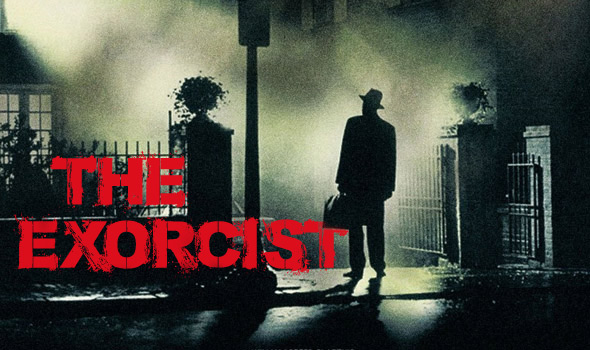
The Exorcist on Netflix Instant: Rewatching the Best Horror Movie of All Time

the exorcist poster
Standard

BY ADAM FOX

1973’s The Exorcist is the furthest thing from underrated when it comes to the scary-flick canon. Every new release that’s even slightly in contention for “best horror film of the year” is inevitably compared to William Friedkin’s masterful tale of demonic dread. Trailers like to flash ballsy quotes in an effort to earn your hard-earned cash like, “Scarier than The Exorcist!” (this is always bullshit) and “The best horror movie since The Exorcist” (this is usually bullshit).
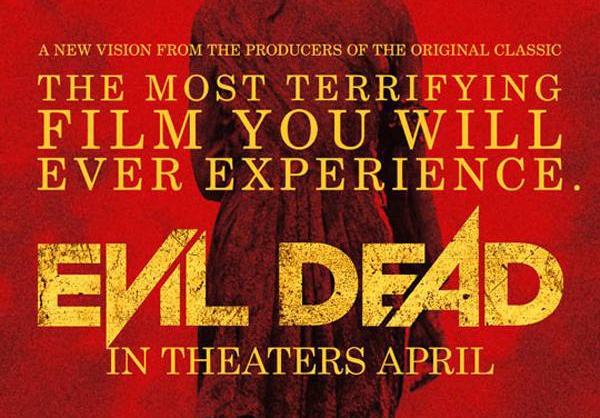
evil dead the most terrifying film poster

Not a bad remake at all, but yeah… bullshit!

I don’t mean to come across as some disgruntled and jaded codger when it comes to the genre. After all, horror film (and my fascination with all things macabre) have stood as the cover photos in my catalog of interests for as long as I can remember. It’s not that I even think that The Exorcist is such an untouchable feat in filmmaking that no director from our generation should  bother to recapture its magic.
clint eastwood gran torino angry old man

Adam Fox: resident disgruntled and jaded codger.

The main problem lies in the fact that movie studios have taken a liking to financing projects that skip through the boring stuff (character development and solid individual acting performances) and jump straight to the good stuff (computer-generated ghosts, jump scares, excessive gore). The issue is that my idea of what constitutes as “good” and “boring” are viewed inversely by Hollywood, and as a result, I’m left feeling incredibly underwhelmed when I trek to a theater to catch the latest spooky offering.

clint eastwood gran torino angry old man

“They sure don’t make ’em like they used to…”

…And I don’t really know what the hell the reason for this phenomenon is, either. Do studios think that horror movies are attended exclusively by teens who lack the attention span to make it through a healthy dose of backstory prior to seat-jumping? Is it strictly a budgetary thing? Has the genre evolved so dramatically throughout the years to the point where a horror film can’t just be a great stand-alone movie anymore?

clint eastwood gran torino angry old man

“You draft-dodgin’ sons of bitches wouldn’t know a good horror movie if you were sittin’ in the theater and it gave you a reacharound!”

The reason The Exorcist is so brilliant has actually very little to do with little Regan’s entanglement with the demon Pazuzu and more to do with how the movie unfolds. The message conveyed throughout that the presence of disharmony (or evil) brings out the worst in humankind is far from subtle, but far more clever than a film like The Babadooks metaphorical head-beating.

And even the uninitiated know that no ghost, demon or monster has anything over a human being and their capacity to inflict pain on one another. It doesn’t even take stomaching the latest ISIS video leaked on the Internet to realize that humans are responsible for a metric ton of horrifying, fucked up things. This is where a handful of horror films really hit a home run and where so many others fail; when the novelty of seeing a terrifying monster in the bathroom mirror wears off, you’re left looking at your own reflection staring back at you.

The Exorcist also straddles that fine line between reality and fantasy so expertly that it evokes the most terrifying two words imaginable after watching a horror film – “It’s possible.” Perhaps it was years spent in the American Southwest that made me particularly vulnerable to Catholic mumbo-jumbo, but there’s a reason why the topic of exorcism is such a meat-and-potatoes staple for horror films. After all, The Exorcist was based on the 1949 real-life exorcism of Roland Doe which has long since been the Roman Catholic Church’s Rule 1…
Brad Pitt First rule Fight Club exorcist shutter island

First rule of exorcisms: You do not talk about exorcisms.

Exorcisms are grounded enough in reality that, combined with Catholicism’s constant fixation on sadness, despair and good old-fashioned title fights of good versus evil, they create for some plausibly terrifying results on a big screen.

The Exorcist also succeeds at being a solid movie against the backdrop of a ghost story, without being “just” a ghost story. The moral dilemmas of Father Damien Karras (Jason Miller) are vast as he struggles with pledging fealty to the Catholic Church and his guilt in committing his elderly mother to a mental institution. We easily recall the memorable scenes like the head-spinning, the pea soup and the spider-walk, but the story was ever only really about an embattled Jesuit priest in over his head who commits one final, selfless act to save a little girl. It’s nothing especially heady, but it certainly rises above the ranks of its colleagues whose characters show up to shuttered houses to, you know, find out why doors are closing and the furniture is moving.
paranormal activity spoof poster

I feel like I’ve created an unintentional ranking system whenever I watch a horror movie that scales from “one” to “Exorcist,” with most modern horror releases failing to reach even a five. I’d like to think of this less as elitism and more as being so affected by the film the first time I watched it that I now have impossibly high hopes for the genre, knowing full well what it’s capable of. The Exorcist is far from perfect and even starts to show its age a little these days, but it will forever remain king of the genre until someone successfully unseats it from a four decades-long reign. You come at Linda Blair, you best not miss.

GRADE: A
IMDb: 8.0

NOTE: Creator of this blog Sam Adams does not endorse Adam Fox’s assertion that The Exorcist is the greatest horror film of all time. Mr. Adams does, however, endorse Mr. Fox.
The Babadook on Netflix Instant: Revisiting the Best (and Most Overhyped) Horror Film of 2014

The Babadook, Essie Davis
Standard

Every couple of years, there’s that indie-horror darling that gets critics horny to affix their names to movie posters via hyperbolic soundbites. Thus was the case with The Babadook, Australian director Jennifer Kent’s debut about a mom and son who are haunted by a scissor-handed, pop-up book character come to life.

OK, to be fair, the most hyperbolic of these critics wasn’t actually a critic. It was William Friedkin, director of The Exorcist, who tweeted, “I’ve never seen a more terrifying film than THE BABADOOK.” That’s rather lofty praise from the guy who made what everyone and their mother seem to agree is the greatest horror flick of all time. (NOTE: I disagree with you and your mothers.)

Still, this seemed to unleash an avalanche of critical praise that built the flick up to near-Blair Witch levels of hype. So when I went to go see it in theaters last year, I knew a letdown was inevitable.

But wait.

The Babadook is actually a damn good horror movie. Let me illustrate this to you with my own superlatives. …  It’s the best horror movie of 2014 (not a great year for the genre, but still); it’s one of the most emotionally compelling horror films of the past decade; and it features one of the best female lead roles in the history of the genre.

Enough quotables for you? Let’s talk about the movie…

The Babadook
Essie Davis in The Babbadook
Amelia (Essie Davis) lives with her son Samuel (Noah Wiseman) in a creaky, barren two-flat in Nowhere, Australia. She’s a lonesome, sex-deprived widow whose husband died six years ago when he was transporting her to the delivery room.

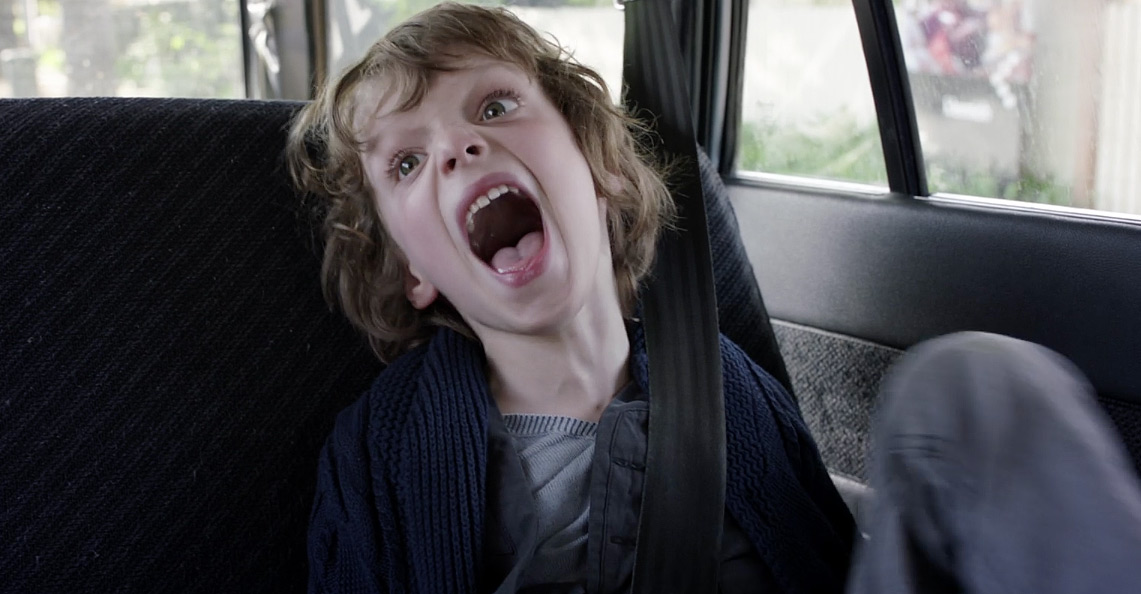
Samuelthe reward of that tragic nightis an amateur magician who shoots other kids with darts, is prone to fits of rage, believes in the bogeyman and regularly screams like a dying hyena. In short, he’s the type of problem child that makes one feel sympathetic toward the Chinese government’s stance on population control.

parenthood, The Babadook, Noah Wiseman, Norm MacDonald

Note to self: forget about fathering children…

Samuel is also the first of several shopworn genre motifs that Babadook introduces. He’s the prescient, mommy-coddled oddball plagued by demons (see: The Sixth Sense, Insidious,The Ring, etc.). I truly look forward to the day when the creepy-kid formula is thrown out the window of horror filmmaking. In the meantime—and to Wiseman’s credit—Samuel is more of a believably tortured soul than he is Child of the Corn. (It’s actually a very strong child-acting performance; I personally have just had enough children in my goddam horror movies.)

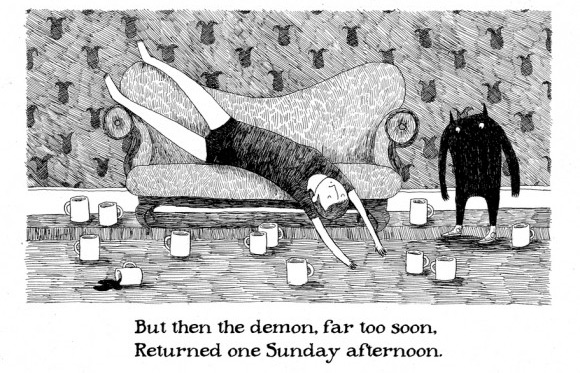
Anyway, one day Samuel stumbles on an ominous red book called “Mr. Babadook.” Amelia hesitantly reads it to himuntil she realizes it’s basically an Edward Gorey bedtime story from the depths of hell. And thus an unspeakable evil is released.
Edward Gorey the babadook

While all this may sound incredibly sinister, it should be noted that The Babadook is not the standard jump-out-your-seat horror thriller. It’s more slow-building, high-tension psychological horror with strong emotional overtones tied to the concept of grief. What makes this formula work so incredibly is, first and foremost, the transformative work of Essie Davis.

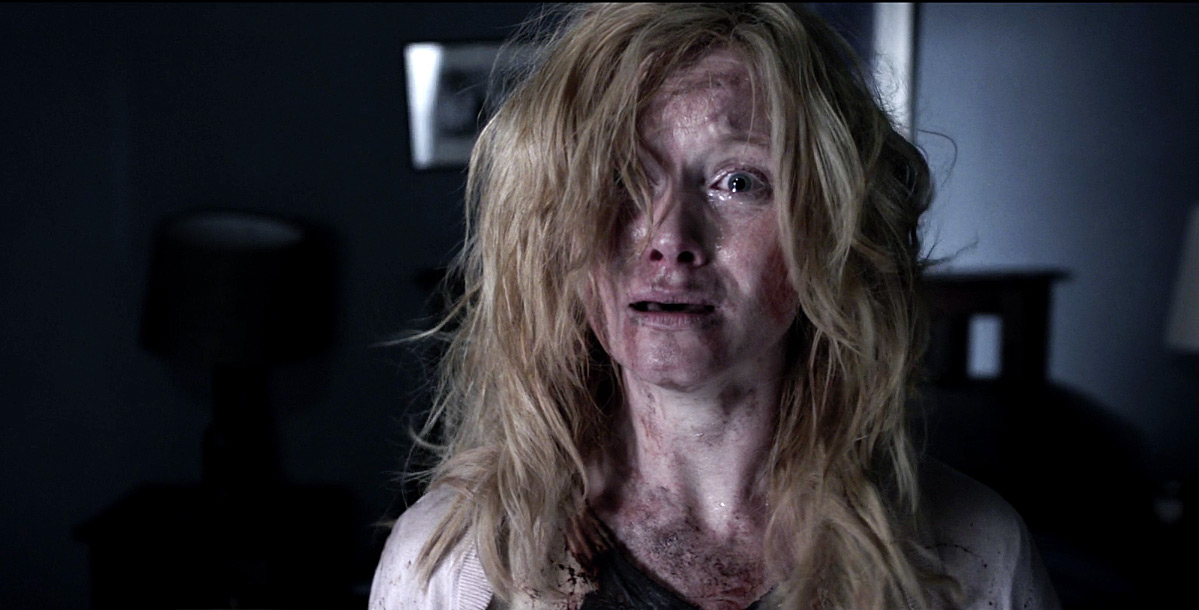
Her beautiful-but-disheveled Amelia wears an exhaustive home life on her face, and the weight of her hellish, grief-stricken burden is beyond just palpable. Davis’ acting is the kind of stuff Oscars are made for. Unfortunately, The Babadook is an indie horror movie, and therefore unpalatable to the mild-mannered octogenarian elite who bestow such honors. (I’d venture that the late Johnny Cochrane would find it humanly fucking impossible to make a compelling argument that Rosamund Pike’s performance in Gone Girl is on par with what Davis did here.)

essie davis the babadook

Heeere’s Mommy!

It should also be mentioned that this flick is the best tale of grief in horror since The Descent (a personal horror top-five). I can’t really go into the uncanny similarities between the two films without giving much away, but I think you’ll get the gist.

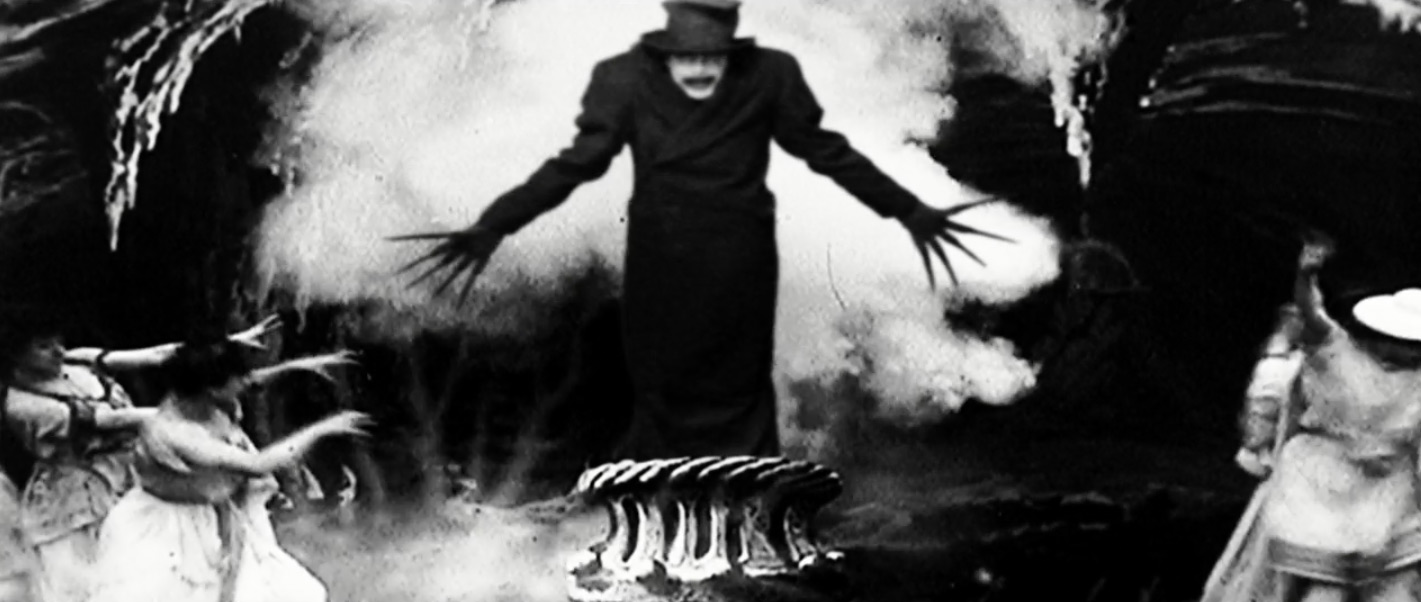
Another strong point of Babadook is that despite its tendency to rely on horror tropes, the narrative and emotional undercurrent of the film are anything but formulaic or stilted. The film is about the roots of a troubled child’s dark imagination as much as it is about a mother coming to terms with hell on Earth. Narrative analogies in the form of old cartoon and movie clips played in Amelia’s home bring both wit and ominous artistic flair to the mother and son’s predicament. (In particular, digging into the annals of Georges Jean Méliès’ work to provide imagery for the titular character is a stroke of cinematic brilliance.)

Georges Jean Méliès, The Babadook

You might recognize Georges Jean Méliès’ work from Martin Scorsese’s Hugo.

All said, while The Babadook is by no means one of “the most terrifying films of all time,” it is a beautifully imaginative horror flick, and one that relies more heavily on acting and psychological drama than the CGI, torture porn and “jump” factors that seem to dominate much of the genre’s modern-day output.

Sure, it’s slow and has its fair share of contrivances. But while you might want more monster out of something that masquerades as a monster movie, you couldn’t ask for more out of Essie Davis, and you’d be hard-pressed to find a better allegory for the pitfalls of grief in any genre.

GRADE: B+
IMDb: 6.9

-Sam Adams


A Girl Walks Home Alone at Night on Netflix Instant: The Hipster Vampire Movie that’s Better than Jim Jarmusch’s Hipster Vampire Movie

A Girl Walks Home Alone at Night best of Netflix instant
Standard

Director Ana Lily Amirpour’s A Girl Walks Home Alone at Night is the vampire movie Jim Jarmusch should have made. Or perhaps the one he would have made 30 years ago.

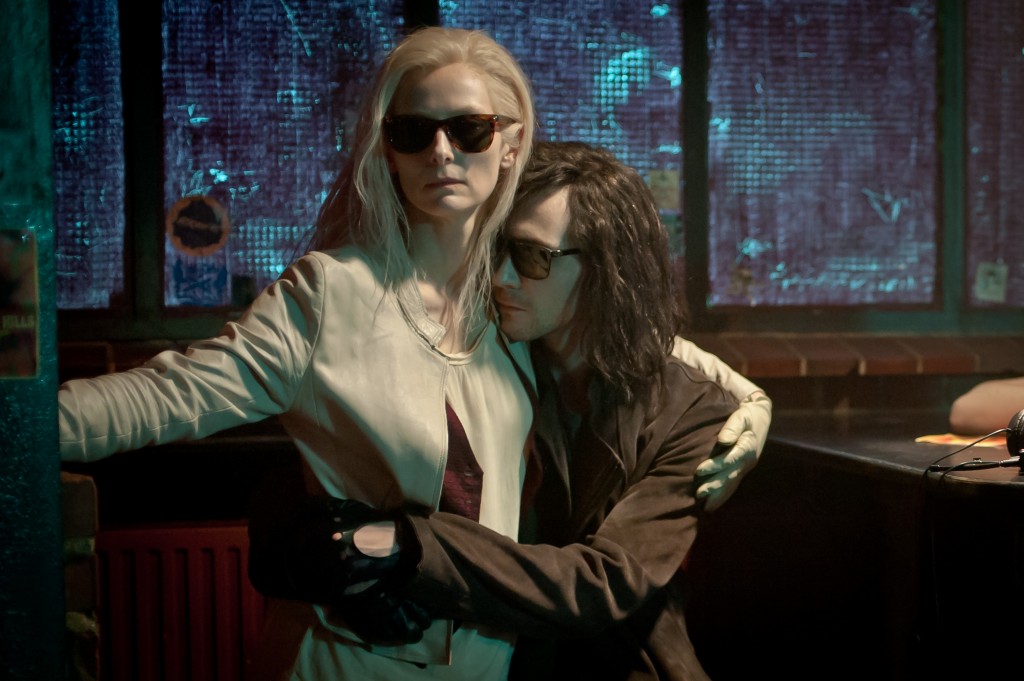
Instead, Jarmusch served us Only Lovers Left Alive (2013)a largely plotless mood piece about self-indulgent hipster vampires; a film that self-indulgent hipster critics saw their transparent, vain reflection in, and heaped with such enigmatic praise as “a meditation.”

Tom Hiddleston Tilda Swinton Only Lovers Left Alive hipsters

“I hope they serve PBR in hell.”

While we’re on the subject, don’t patronize me about how Only Lovers was an allegory to the plight of the aging rockstar, the death of rock and roll, or some other grandiose malarkey. Its attempts at tongue-in-cheek humor about immortals cavorting with dead artists was groan-inducingly pretentious to a Diablo Cody-esque level. (And I don’t see how the fuck Tom HiddlestonAKA morose, bootleg Jared Letowhining nostalgic about the merits of vintage guitars and LPs equates a “thoughtful, atmospheric” film.)

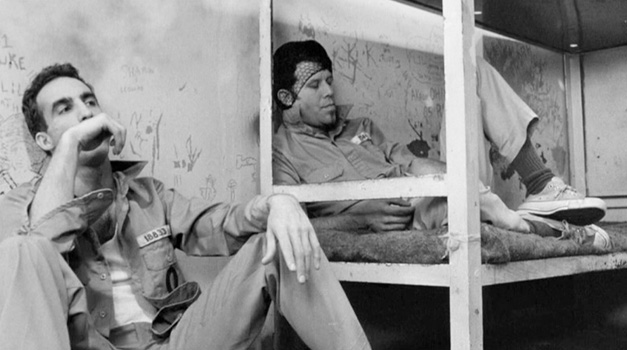
As a former Jarmusch fanMystery Train and Down by Law were at one time two of my favorite moviesmy two cents is that the guy hasn’t made a worthwhile flick since Ghost Dog. But hey, perhaps I just have a softer spot in my heart for the hipsters of yesteryear (Jarmusch’s castings of Tom Waits and John Lurie) than the egocentric shitbags he’s portraying nowadays.

Tom Waits John Lurie Down By Law

John Lurie and Tom Waits in the phenomenal Down By Law—back when being a hipster stood for something!

Oh, and about that other movie…

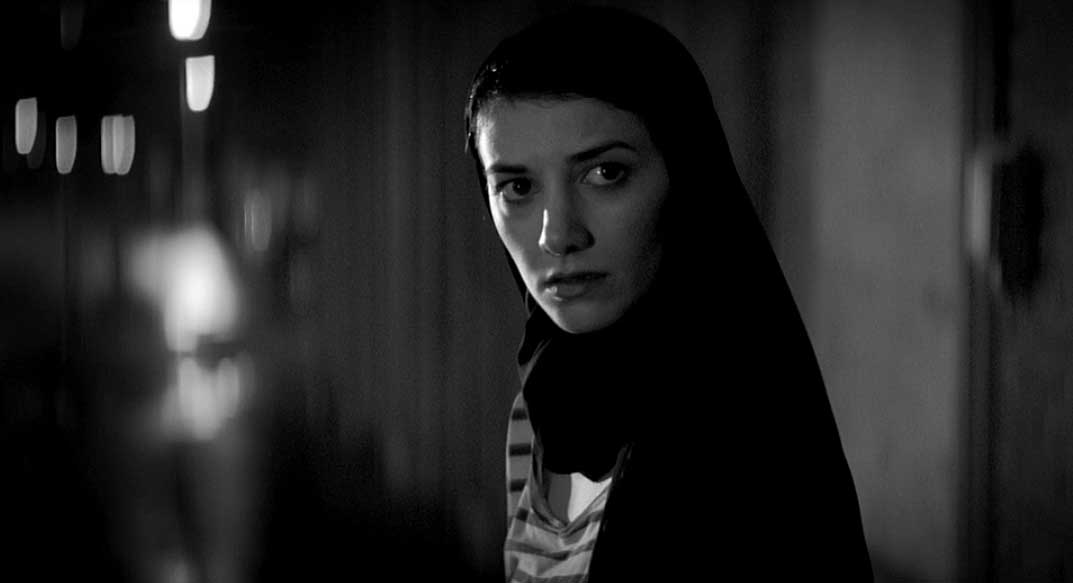
A Girl Walks Home Alone at Night
a girl walks home alone at night on netflix streaming

What was I talking about? Oh yeah, A Girl Walks Home at Night, that terrific Iranian vampire flick that feels a lot like those great Jarmusch films of old.

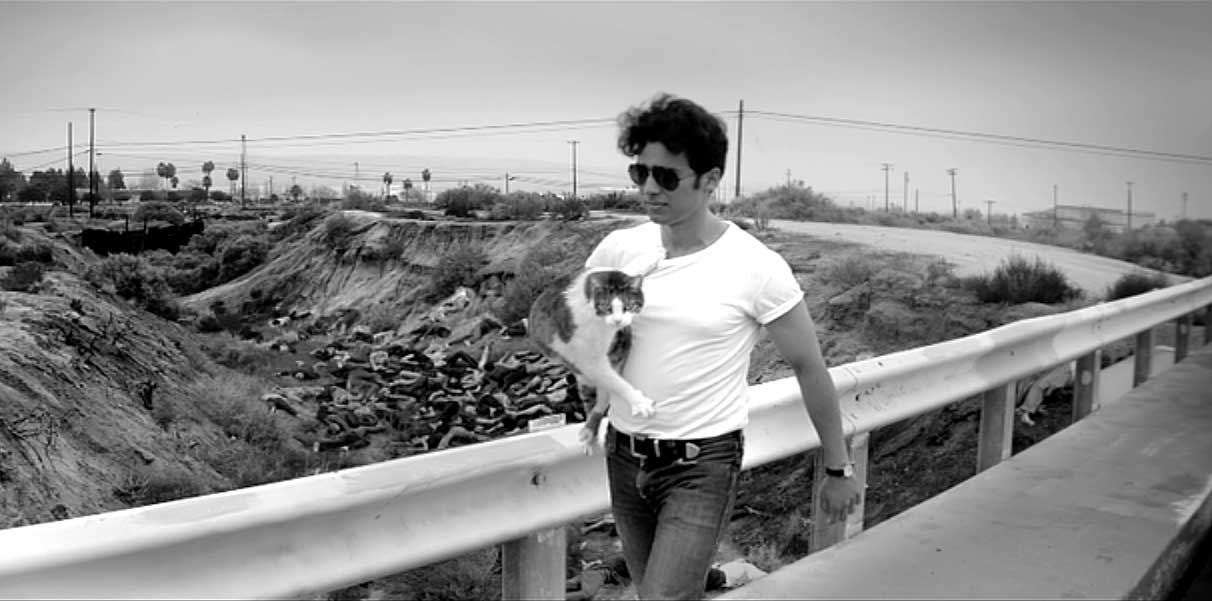
It opens in the fictional town of Bad City, as our brooding, Iranian James Dean of a protagonist Arash (Arash Marandi) steals a cat from a junkyard for no apparent reason. While this occurs, gypsy organ music that sounds like something off Tom Waits’ Rain Dogs plays in the background.

Then there’s the bleak, barren industrial cityscapes that Arash walks through as he puffs cigarettes in his dark shades. We see the recurring image of an open mass grave in a dried up canalan early signifier that rules of modern law and logic are less important to this narrative than the weird we’re about to be immersed in. And with these stylings of offbeat mystery, sinister imagery and grim coolness, the influence of black-and-white Jarmusch classics like Down By Law and Stranger Than Paradise is undeniably apparent from the get-go.

arash cat a girl walks home alone at night corpses

Cool Cats, B.A.D. City

After a bit more of Arash chain-smoking and cruising around in his vintage hotrod, we get a picture of his family life, which is far less hip. Arash’s dad is a feeble junkie, heavily indebted to a slippery goon who looks a bit like a hybrid of Ivan Drago and one of the Taken thugs.
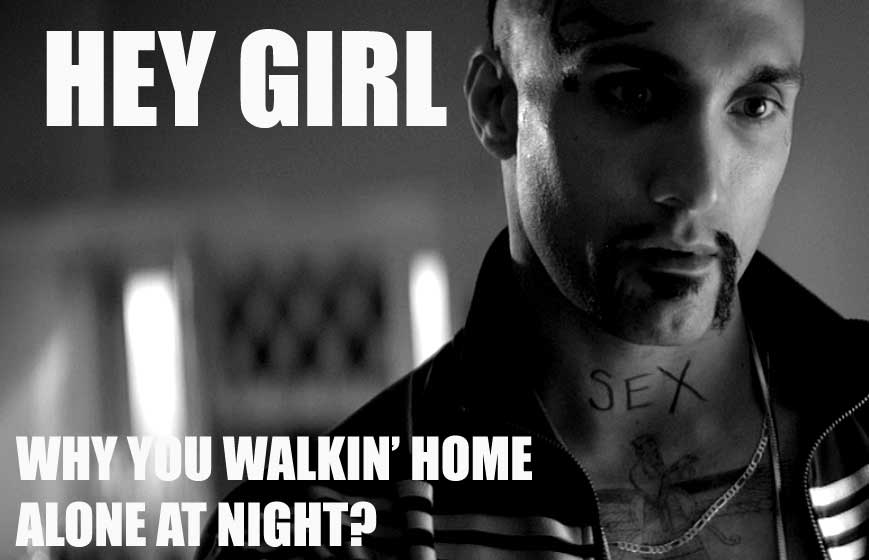
Dominic Rains Hey Girl A Girl Walks Home Alone at Night

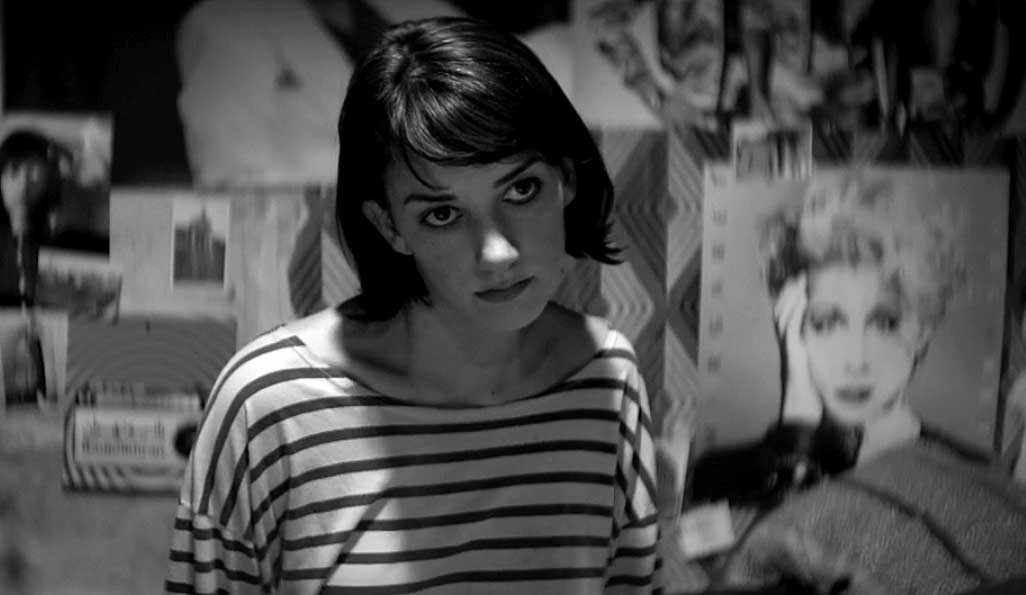
Our last major character (outside of House of Cards‘ Mozhan Marnò as a beautiful prostitute) is, of course, The Girl. Bad City is kind of like an underpopulated Gotham, and The Girl (Sheila Vand) is its vampire bat-woman. She patrols the streets in a black cloak and one of those black-and-white French sailor shirts that hipsters seem to fancy. She also rides a skateboard. Consider her the anti-manic, empowered pixie dream girl.

Sheila Vand Zooey DeSchanel A girl walks home alone at night

Sheila Vand: The Iranian-American answer to Zooey DeSchanel

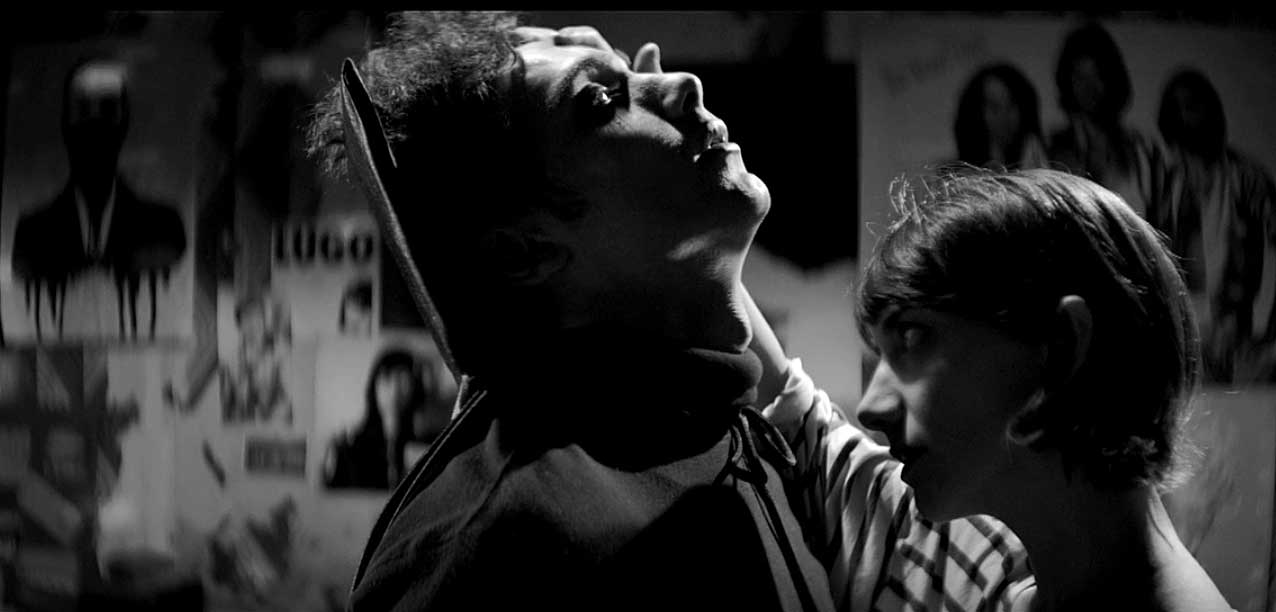
A large part of A Girl Walks Home Alone at Night’s intrigue is its balance of beautifully bizarre art-house stylings mixed with the type of live-undead romance that worked so charmingly in Let the Right One In (and failed so miserably with those apathetic, narcissistic mopes from Only Lovers). A magically lit scene set to the tune of White Lies’ aptly titled “Death” shows our lonely outcasts basking in the shadows of a disco ball as they come together in the night. Like so much of the film, it blurs the line between dream sequence and traditional narrative, and feels more like something out of Lost in Translation than your typical bloodsucker fest.

Sheila Vand Arash Marandi A girl walks home alone at night white lies death song

Love at first bite.

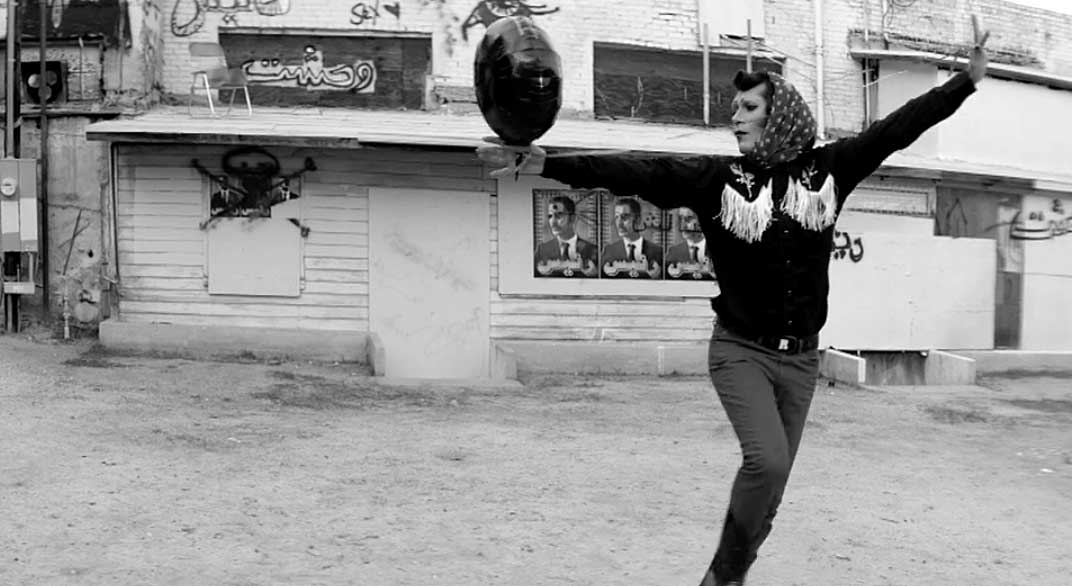
Then there are the parts of the film that feel more like art-house for art-house’s sake—but that’s really not a bad thing here in less you came looking for Blade 4. A scene halfway through shows the film’s randomly everpresent cowboy drag queen dancing with a balloon in an empty dirt lot. What does it mean? What does it say about the movie? Factually, little. Artfully, it’s one of A Girl Walks Home’s many bizarre and inexplicable gifts to simply take in. Or maybe it’s just a rehashing of American Beauty‘s plastic trash bag scene. You decide.

A Girl Walks Home Alone at Night drag queen

Stranger than purgatory...

A Girl Walks Home Alone at Night leaves us with a few other unsolved riddles. Mainly, what the fuck is the deal with that cat? Still its blend of art-house, horror and romance makes for one of the best additions to Netflix’s recent catalogueand arguably cements it as the best vampire flick since Let the Right One In.

If you want a more traditional vamp story, try Stake Land (also on Instant). If you’re a Jarmusch fan with a dark bent, it doesn’t get much better than this.

IMDb: 7.1
GRADE: B+ / A-

-Sam Adams

Beasts of Western Europe: Bullhead and Wolf on Netflix Instant

wolf and bullhead on netflix streaming
Standard

“Man is a rope, tied between beast and Superman—a rope over an abyss.” —Nietzsche

When you think of beefed-up Euros going apeshit on the silver screen, Van Damme and Schwarzenegger probably come to mind before heady art house flicks. Rather than glorify alpha-male violence, Bullhead (2011, Belgium) and Wolf (2013, Netherlands) are films that delve into its psychological underpinnings and criminal repercussions with stunning visceral and emotional results.

Both stories pit their protagonist as a man walking the tightrope between brutish beast and conscientious being. Both even go so far as to flesh this paradox out with a sort of reverse anthropomorphism (man becomes bull, man becomes lupine predator).

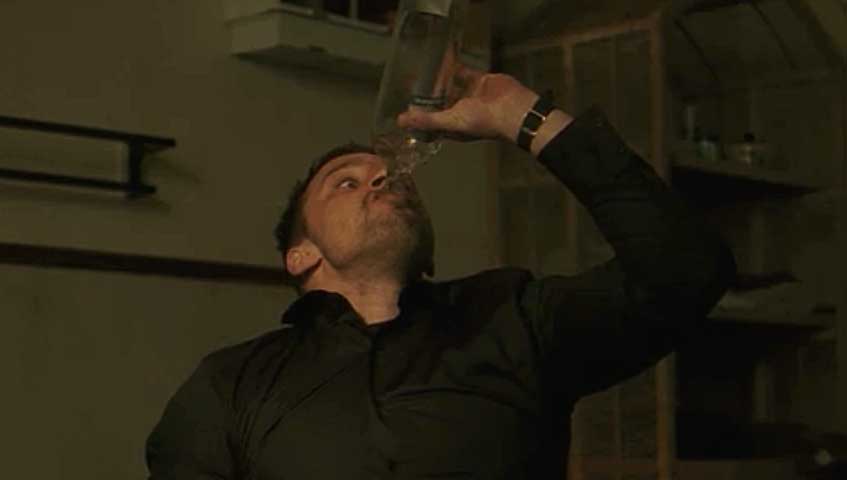
Matthias Schoenaerts in Bullhead drinking vodka

Matthias Schoenaerts in Bullhead: GOT VODKA?

I know I may come off as a bit of a horse’s ass (reverse-anthropomorphic pun intended) for opening with a Nietzsche quote, but I think it’s relevant here. The maniacal German philosopher’s notion of the “he-man”—or Übermensch—is probed bluntly and bleakly in both Wolf and Bullhead. Sure, we see the aesthetic glory and brutal splendor that Nietzsche lusted after (and that Hollywood loves to commodify), but we also see these notions deflated and emasculated in the most devastating ways.

If you want two great crime movies with similar themes, here they are. If you want two great crime movies that make you go off on Nietzschean existential tangents, here they are as well.

Bullhead
bullhead movie belgium netflix instant

Much like Matteo Garrone’s Gomorrah, director Michaël R. Roskam’s Bullhead is a devastatingly bleak European gangster flick that ventures into the more obscure areas of criminal enterprise. It also deals with the dynamic of a juvenile friendship, beginning in adulthood and flashing back to a horrific juncture that created a shameful rift between the boyhood mates.

In this sense, Bullhead plays a bit like a minimalist, apolitical version of The Kite Runner—if only Khaled Hosseini’s story had been put in the hands of Nicolas Winding Refn (a particular, neon-lit club scene could have been seamlessly woven into any of the Pusher films).

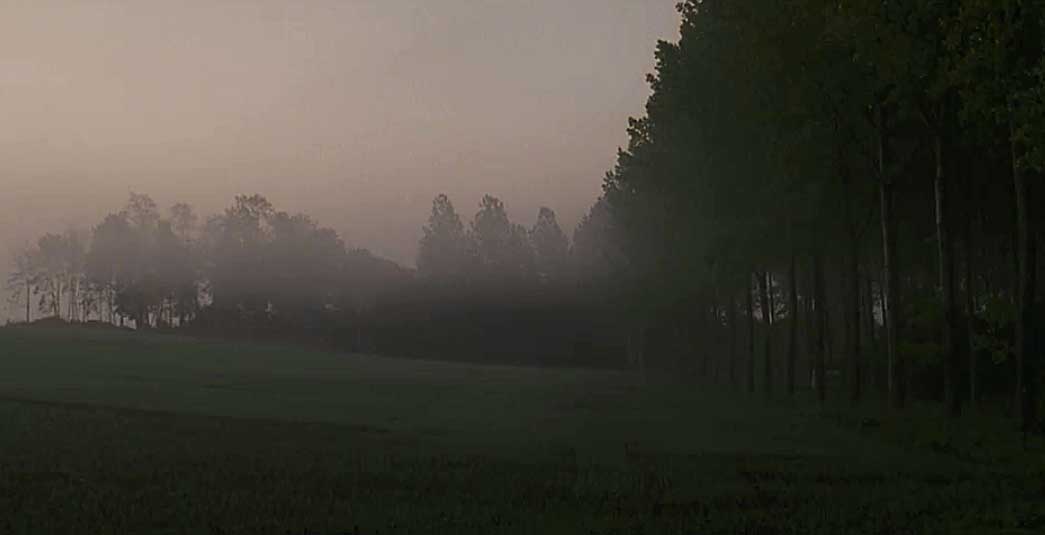
Bullhead sets its ominous tone from the opening frame, with a monologue played over a shot of a misty field. The not-so-upbeat narration ends this way: “No matter how long ago it was, there will always be someone to bring it all back. Because no matter what you do or think, one thing is for sure, you’re always fucked. Now, tomorrow, next week or next year, until the end of time, fucked.”

Bullhead movie fucked

Bullhead expresses the natural sentiment associated with sublime Belgian pastures: We’re all fucked.

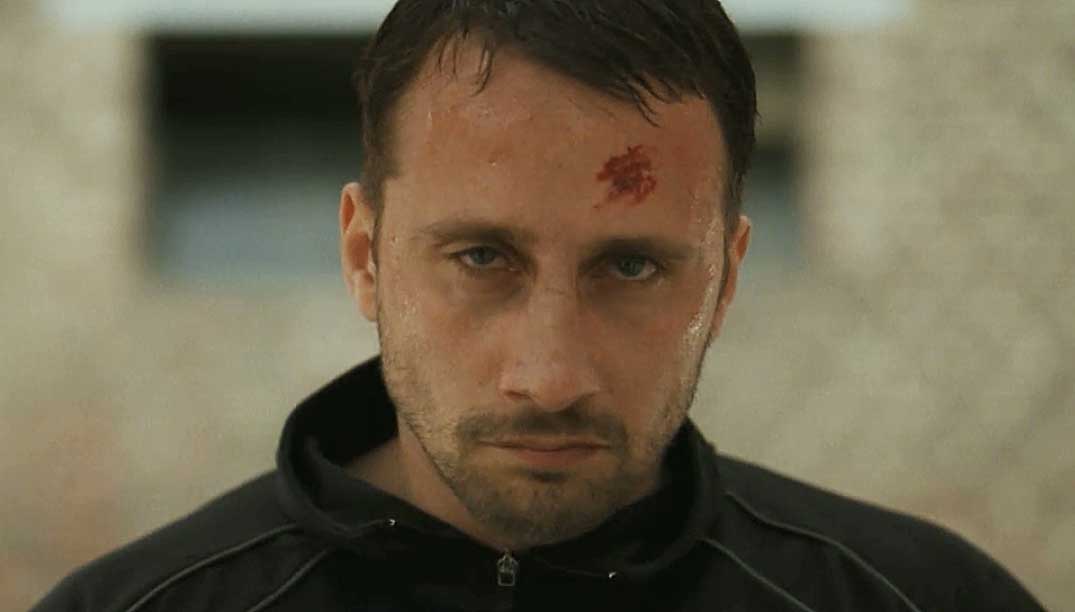
The film’s tortured, brooding protagonist is Jacky Vanmarsenille (Matthias Schoenaerts). Jacky has taken over his family’s corrupt livestock business, and for reasons I can’t disclose without playing spoiler, has an escalating habit of shooting himself in the ass with bovine growth hormones.

The film pushes this notion of the intermingled similarities between beast and man to the point that you almost expect Jacky to morph into a minotaur. But this isn’t necessarily a setback if you can dig a film based on slow, foreboding character study.

I also can’t emphasize the word “brooding” highly enough in regard to Schoenaerts’ magnificent portrayal of a gloomy beefcake who trudges through life with a menacing chip on his shoulder. And like any prodded bull, Jacky is prone to fits of severe, blind rage.

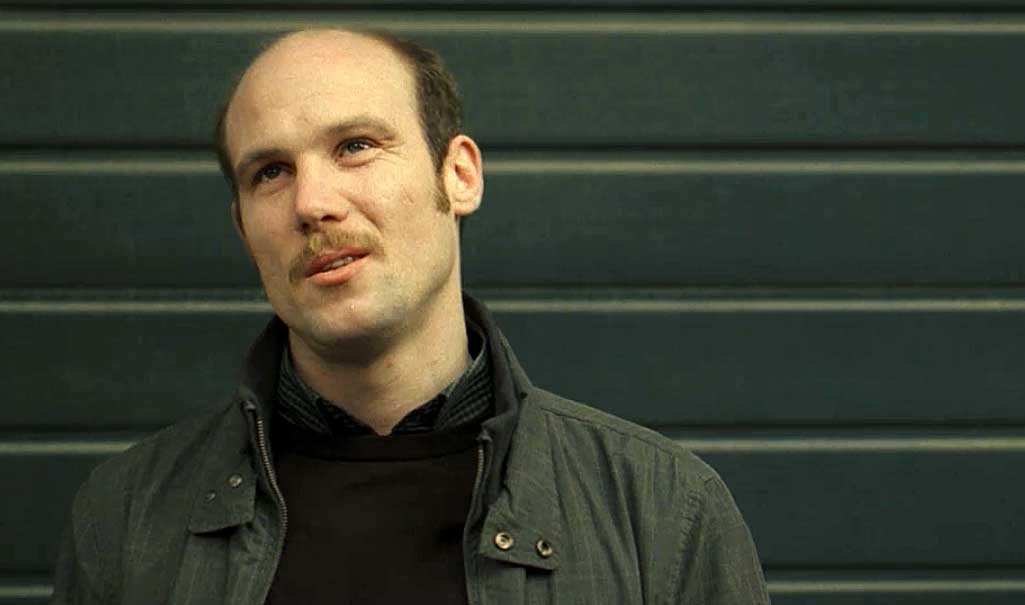
The film’s narrative unfolds around Jacky reuniting with his former bestie (Jeroen Perceval of Borgman) as the  Vanmarsenille farm is linked to a mafia hit. As Jacky meets with a gang boss and tries to keep his family business in check, a lost love from his past also enters the picture. With the pressure on, Jacky eventually breaks out of the pen. And what ensues is a bit like watching a bull in a China shop.

Jeroen Perceval Bullhead Borgman

Jeroen Perceval, most recognizable from Borgman—that creepy Dutch movie about the devil doing home invasions.

Bullhead excels as a disturbing character study of an alpha male in mental anguish and turmoil. It’s a refreshing departure from Hollywood, where a guy like Matthias Schoenaerts would be designated to mindless roles in movies where a bunch of shit blows up. In other words, it’s kind of like watching Requiem for a Dream… starring Vin Diesel.

The film’s conclusion isn’t exactly satisfying, but hey, it’s a movie about a guy who injects bull testosterone into his ass. What did you really expect?

GRADE: B+ / A-
IMDb: 7.4

Wolf
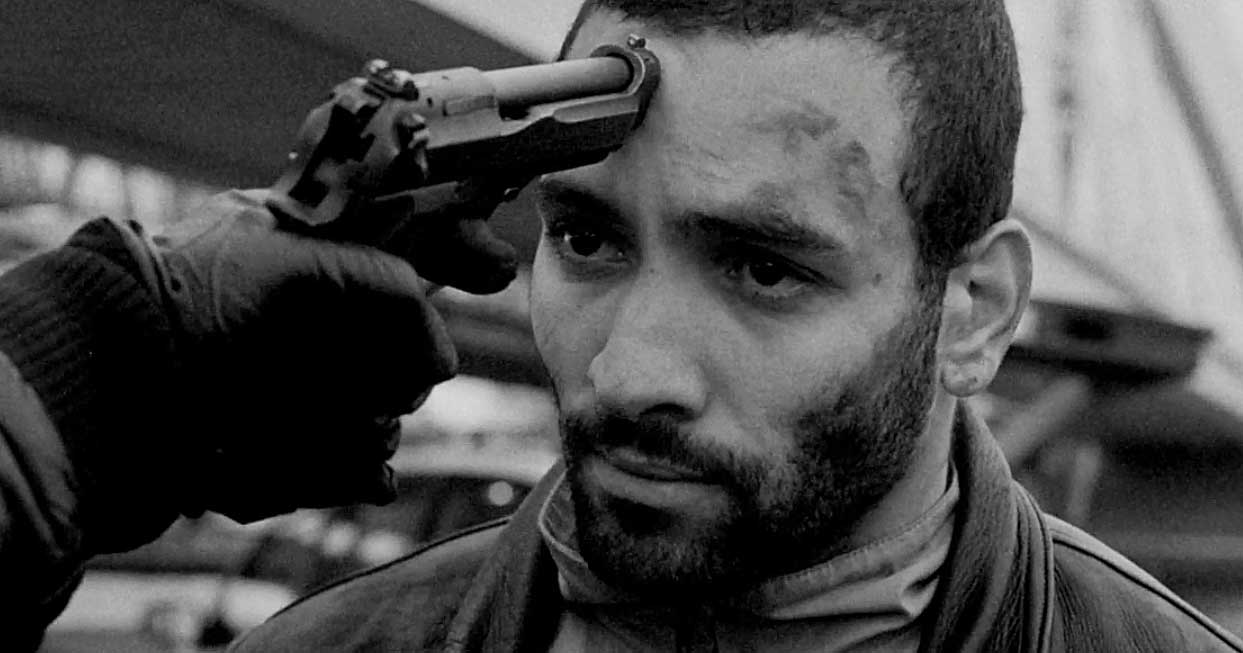
wolf movie Marwan Kenzari gun

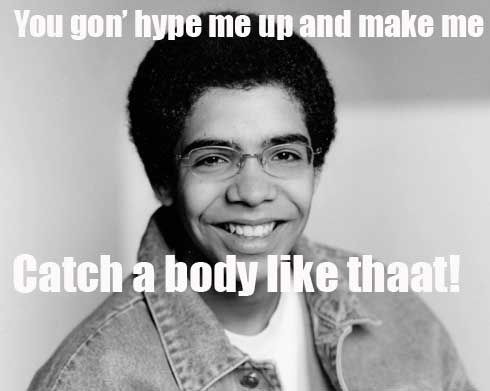
If Drake were to make a biopic about Drake, he would probably want  his inflated ego to come across much like Marwan Kenzari’s character of Majid in director Jim Taihuttu’s Wolf. Drake, of course, likes portraying himself in gritty black-and-white videos as a version of himself that isn’t softer than a tumble-dryed down pillow. And like Drake’s vision of himself, Majid is a muscle-bound, culturally conflicted badass who started from the bottom and… well, you get the gist.

drake meme catch a body

Aubrey “Drake” Graham: the menacing figurehead behind albums like Take Care, and tours like Would You Like a Tour?

I digress. We meet Majid—a Muslim of Moroccan heritage—as he and his sketchy buddy Amil (Chemseddine Amar) casually discuss speed bikes on a vacant street while window-shopping. Next thing we know, they’re bashing in a storefront and going full-fledged GTA.

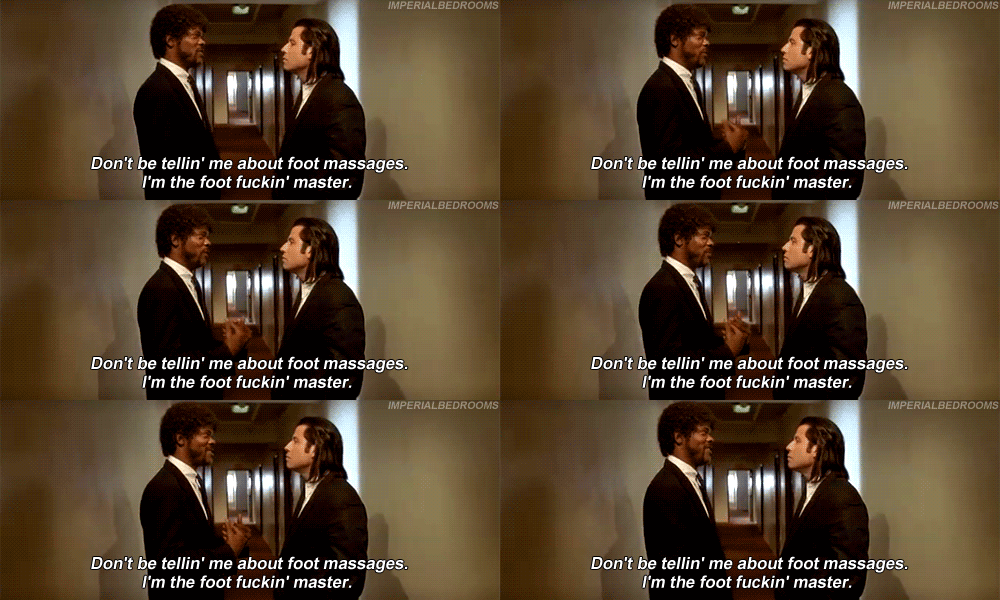
The laid-back dialogue of this scene contrasted with its ensuing criminal violence brings to mind Pulp Fiction. It’s a bit like watching very small-time versions of Jules Winnfield and Vincent Vega chop it up about foot massages and Le Big Mac before unleashing their vengeance.
Jules Winnfield Vincent Vega Pulp Fiction foot massage

This scene isn’t the only one in which Wolf borrows from the sleek badassery of American crime classics. There’s also as much Tony Montana shit going on here as the next rags-to-riches gangster flick. And in terms of that reverse-anthropomorphic thing, there’s a moment where Majid confronts his spirit animal and director Taihuttu essentially plagiarizes one of the most poetic scenes from Deerhunter.

But perhaps the most relevant comparison for Wolf would be Mathieu Kassovitz’s brilliant La Haine (1995)—another black-and-white flick depicting petty crook life in Euro slums and backdropped by a hip-hop aesthetic and soundtrack. (There’s a fantastic—albeit hyperbolic—montage in Wolf that shows Majid and Amil making their crime comeuppance set to hilarious Euro thug rap that name drops Keyser Soze and Julius Caesar. An American remake could definitely use this 2 Chainz song…)

Like La Haine, Wolf gets into the sociopolitical nature of racism and systemic corruption in what outsiders might typically think of as idyllic European cities (La Haine‘s Paris and Wolf‘s Utrecht). The inner struggle that Majid faces as a brutish kick boxer and criminal mixed with his family’s strict Islamic heritage is particularly engaging, and points to the film’s highlight—a remarkable and dynamic performance from Kenzari (who is starting to get some Hollywood play in the film’s wake).

Wolf movie Bo Maerten Tessa

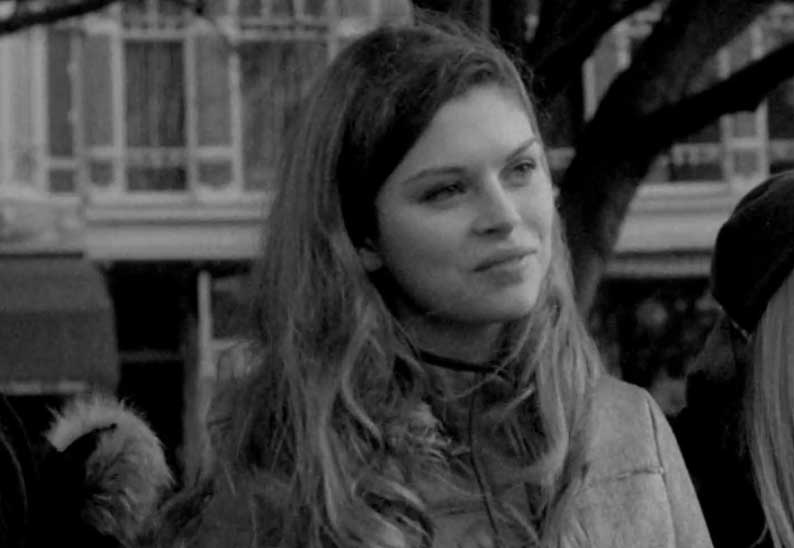
Majid’s two-timing girlfriend Tessa: the Dutch Alexandra Daddario

Wolf is certainly a more entertaining and more rapidly paced film than Bullhead. That said, it can easily be criticized of being influenced by American films like Raging Bull, Pulp Fiction and Deerhunter almost to the point of copyright infringement. Still, Kenzari’s breakout performance as a conflicted he-man struggling between family, pride, honor and infamy is worth the 122-minute runtime alone. Add in some fantastic cinematography and gripping fight scenes, and Wolf makes for one of the more impressive recent additions to Netflix Instant’s strong cache of foreign crime cinema.

GRADE: B+ / A- 
IMDb: 7.3

-Sam Adams

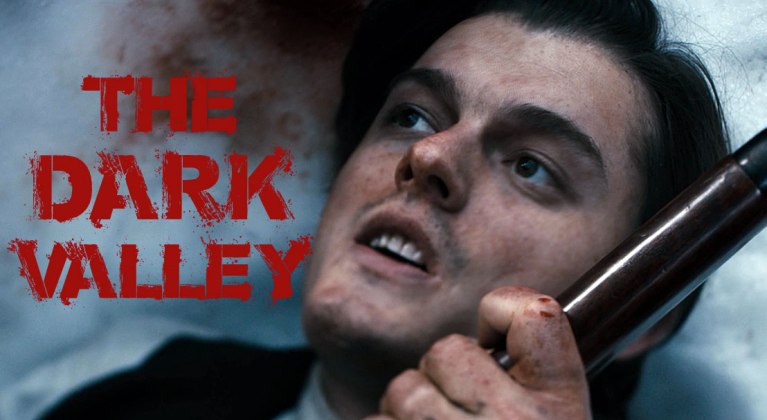
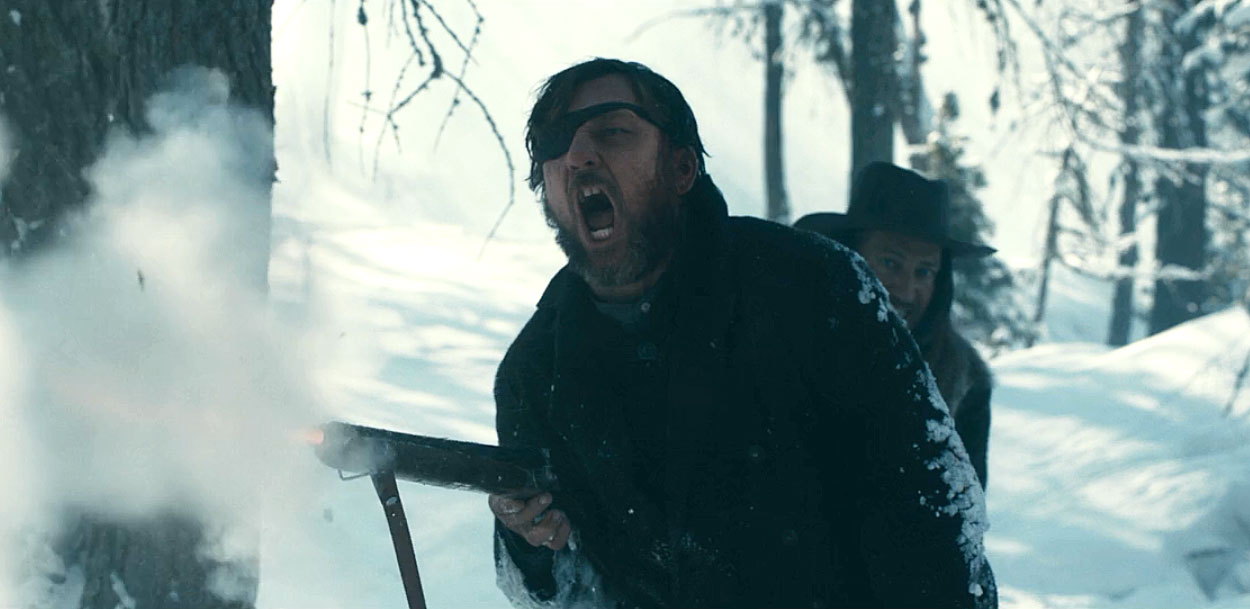
The Dark Valley on Netflix Instant: Sam Riley Takes Control in Spaetzle Western

the dark valley sam riley
Standard

If I had to pick my top contributors to the Western movie genre, the name John would not be among them. I would forego Wayne, Ford and Huston for the likes of Sam (Peckinpah), Sergio (Leone), Larry (McMurtry) and Cormac (McCarthy). Now I know that the work of these later auteurs stands on the shoulders of classic Westerns of the ‘40s and ‘50s. Films like The Treasure of Sierra Madre and The Searchers at one time defined the face of American pop culture.

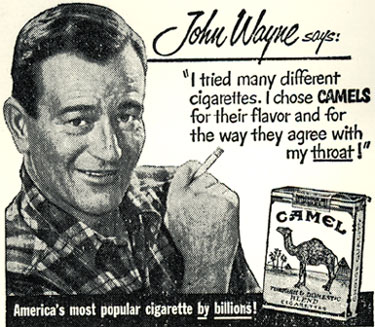
John Wayne Camel cigarette ad

The Duke: as American as apple pie, Don Draper and lung cancer.

But in the same way that it’s a ridiculously antiquated, sentimentalist notion to call Citizen Kane the greatest movie ever made, it should be acknowledged that Western filmmaking and its underlying ideologies have changed and, lord forbid, evolved since the era of neckerchief-clad, lassoo-twirling dandies roundin’ up Injuns.

More to the point: I like my Westerns weird, bleak and bloody. I love the heightened style and sparse dialogue that Leone and Eastwood pioneered. And while The Wild Bunch isn’t my favorite Peckinpah movie, it introduced concepts to the genre that had been missing—namely blood, the vulgarity of humans killing humans, and an outlaw’s sense of humor about these things.

Sam Peckinpah Isela Vega NSFW

Sam Peckinpah had his head in the right place (pictured with Isela Vega on the set of 1974’s Bring Me the Head of Alfredo Garcia).

But one thing hasn’t changed. From Ford to Leone and Peckinpah to modern classics like No Country for Old Men, Hollywood—and the world at large—seems as smitten with the genre as it was back in the days of Hopalong Cassidy.

The past few decades have seen some sterling additions, including Tommy Lee Jones’ The Three Burials of Melquiades Estrada (2005), Andrew Dominik’s The Assassination of Jesse James by the Coward Robert Ford (2007, what an asshole of a title) and John Hillcoat’s The Proposition (2005).

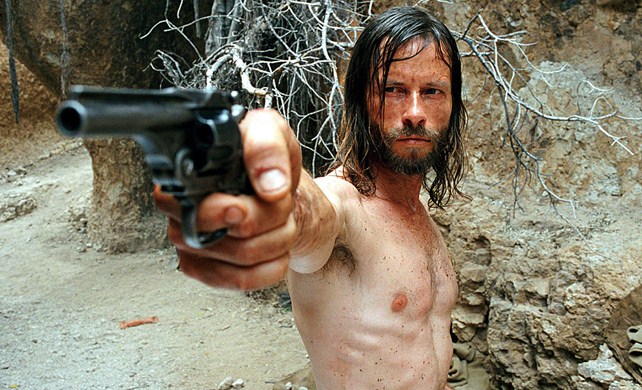
Guy Pearce The Proposition

Guy Pearce in Australia’s The Proposition—one of the best Westerns of the past few decades.

Those last two films come from a Kiwi and an Aussie director, respectively. I mention this because the genre has become so widespread that the lore of the American West has perhaps been best expressed over the past decade via foreign manifestations.

Which brings us to Germany, where in the 1960s, a Western film movement based on Karl May’s Winnetou books brought cowboys and Indians to the Krauts. But times have changed, and the German-Austrian film The Dark Valley is to Winnetou what No Country was to those “John” classics.

It’s a Western that draws from several corners of the Earth to shape its familiar yet refreshingly stylized narrative. While the title of “Best German Western Ever” might not impress, I’ll further that by saying that Dark Valley is one of this millennium’s stronger additions to one of the most beloved and badass genres of all-time.

The Dark Valley
sam riley the dark valley

The first time I watched The Dark Valley, I couldn’t stop thinking about Clint Eastwood’s High Plains Drifter (1973). Like Drifter, Valley introduces us to an ominous and silent figure who enters a small town on horseback. In both films, it’s hinted at early on that our mysterious protagonist has arrived to avenge horrific sins of the past. And in both films, it is a dark, torturous secret in the town’s history that is the calling card for bloody retribution.

But High Plains Drifter isn’t the only film that seems to have heavily influenced director Andreas Prochaska’s suspense tale set in the 19th Century Austrian Alps. There’s an undercurrent of fear and unease among the townsfolk perpetrated by some dark secret that’s reminiscent of what was going on in M. Night Shyamalan’s The Village.

And then there’s the snowy, ramshackle lumber town itself—and one particular climactic scene involving this setting—that brings to mind Robert Altman’s McCabe and Mrs. Miller (a film that’s in or near my all-time top ten). Finally, there’s some wonderfully stylistic audiovisual sequences that evoke that eerie theme from Ravenous, the score from There Will Be Blood, or really just about any moment in Nicolas Winding-Refn’s Drive.

So there’s your laundry list of comparisons. I mention them mainly because The Dark Valley is a film of patchwork style and influence. This eclectic range extends to its superb lead, Sam Riley—the lone British actor cast in a German film with German dialogue (Important note: Netflix defaults to a dubbed version for U.S. audiences—switch to German with English subtitles).

Control: phenomenal movie.

Riley in Control: phenomenal movie.

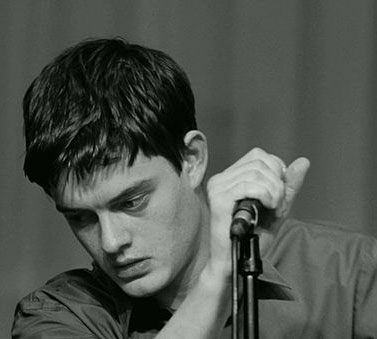
Which raises the question, Where the fuck has Sam Riley been? He broke through with his incredible depiction of Joy Division frontman Ian Curtis in Anton Corbijn’s Control (2007)—a film I’d put alongside Ida (also on Netflix Instant) as having the most stunning black-and-white cinematography of the 21st Century. Since, he’s had forgettable roles in big-budget flicks (Maleficent) and a few big roles in forgettable indie flicks (On the Road, Brighton Rock).

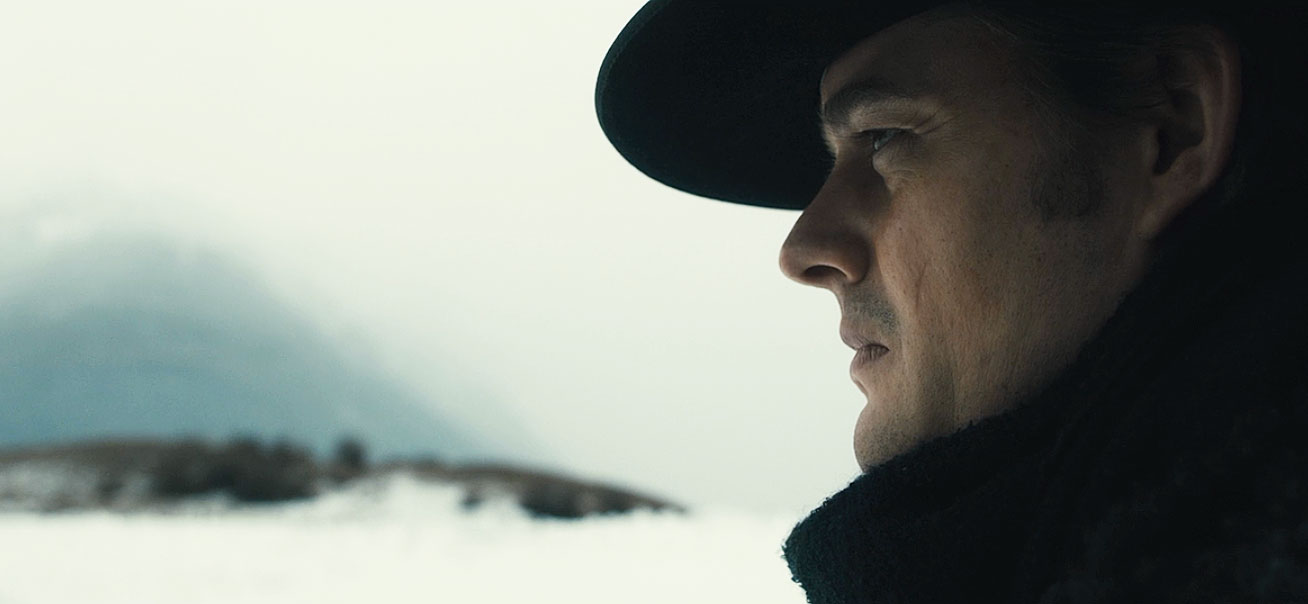
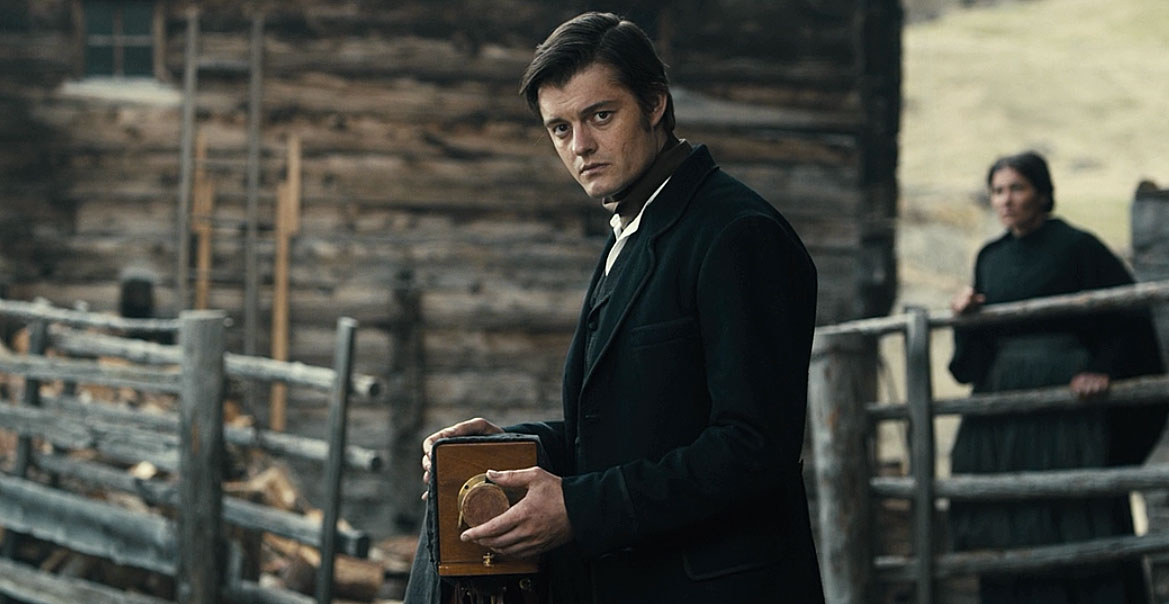
Anyway, old Sam returns to form in The Dark Valley as Greider, a Yank who’s travelled to an isolated Austrian mountain town under the guise of an Ansel Adams-inspired photographic mission.

greider sam riley dark valley

Portrait of the gunman as a young artist…

The town is run by Old Brenner, an iron-fisted tyrant who, along with his six sons, upholds a decades-old tradition of shame that keeps the villagers in perpetual fear. Tensions begin to mount as a girl whose family Greider is staying with finds herself in line for the sadistic ritual.

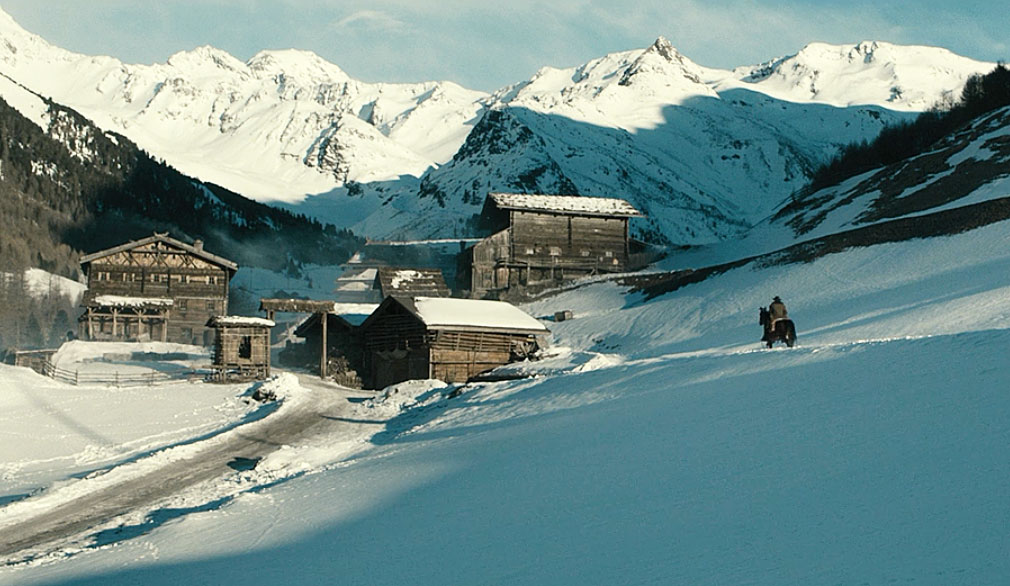
Like Riley’s performance, The Dark Valley builds with a slow burn that might detract viewers looking for a 3:10 to Yuma-style shoot ’em up. Valley is an atmospheric Western. Part of that means Sam Riley spending quite a bit of time brooding while he looks at himself in a mirror, backdropped by eerie noise music. It also means plenty of gorgeous camera work around the sublime snow-covered valley where the film is set.

the dark valley netflix

Ah, the Alps: Home to Sound of Music, frolicking goats and inbred psycopaths.

When the chips begin to fall, however, the film is as suspenseful and stylistically glorious as any of the recent Western triumphs I’ve mentioned. In particular, the brilliant cinematography mixed with Riley’s escalating emotional range bring us to one of the most phenomenal climactic shootout scenes the genre has seen in the past few decades. Director Prochaska embellishes all of this with a murderous montage set to the tune of a song by indie band Steaming Satellites (although I’m sure some purists may hate this scene for its hyperreal blending of new and old).

the dark valley netflix instant

Rooster Cogburn wants his eyepatch back…

Due to its initially tedious pace and rather conventional narrative, The Dark Valley isn’t exactly on the same level as modern classics like The Three Burials, The Proposition and No Country. Still, when pitted against the slew of simply above-average Western flicks of the past few years that Netflix Instant has to offer (Sweetwater and Blackthorn come to mind), Valley is a damn fine piece of filmmaking, aided particularly by Prochaska’s style, Thomas Kienast’s cinematography and Riley’s controlled performance.

GRADE: B+
IMDb: 7.2

-Sam Adams

Wild Bill on Netflix Instant: British thuggery with a pulse

Wild Bill Movie Netflix Instant
Standard

Guy Ritchie is to modern-day British gangster cinema what Ed Sheeran is to teenage girls with cherubic hobo fetishes. When Lock, Stock and Two Smoking Barrels was released in 1998, a subgenre that had birthed such classics as Get Carter (1971) and The Long Good Friday (1980) was reanimated on a global stage.

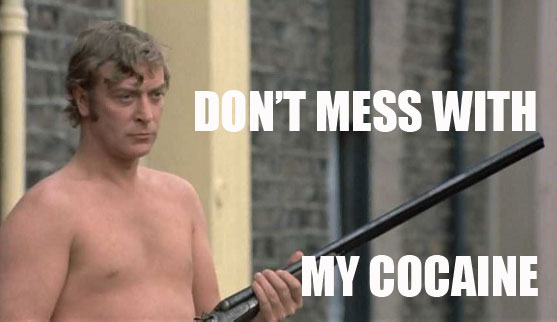
MY COCAINE michael caine get carter

…a lesson the King of Cockney taught us in Get Carter.

No doubt highly influenced by Tarantino’s hyperreal stylization, Ritchie followed up his raucous debut with another cult-classic, Snatch. Since, however, his schtick has devolved into half-assed attempts like Revolver (most notable for Andre 3000 giving the worst performance by a rapper since Ice-T in Leprechaun in the Hood); the unwatchable remake of Lina Wertmüller‘s glorious sexistential 1974 film Swept Away (most notable for Madonna’s performance in the worst movie starring a pop singer this side of Gigli); and those Sherlock Holmes movies—which conjure a video game idea Michael Bay thought up while taking a shit.

Andre Benjamin Revolver three stacks horrible

Q: What’s cooler than being cool?   A: Never acting again, Three Stacks.

That said, Ritchie deserves credit for his better “Mockney” efforts, and perhaps more so for the wave of UK crime cinema they’ve inspired. Sure, the movement has spawned its fair share of overstylized, horribly written filth that many a Brit no doubt loathe being associated with. Specifically, I’m referring to just about anything Jason Statham has ever done (full disclosure: I have lapped up every Statham movie on Netflix Instant with the guilty-pleasure-induced appetite of a middle-aged housewife with a box of Franzia and a Lifetime marathon).

But there have also been some absolutely brilliant films added to the canon. Sexy Beast (2000) is a genre-bending classic that features Ben Kingsley’s turn as one of the greatest big-screen villains of all-time. Terence Stamp killed it in the paternal revenge thriller The Limey (1999). And of course no one’s kicking Layer Cake out of bed for eating crumpets.

don logan ben kingsley sexy beast

Don Logan: All-around nice guy.

While Snatch—and at least six Statham-led movies—are currently on Netflix Instant, so is another fantastic, lesser-known modern British gangster flick:

Wild Bill
wild bill Charlie Creed-Miles

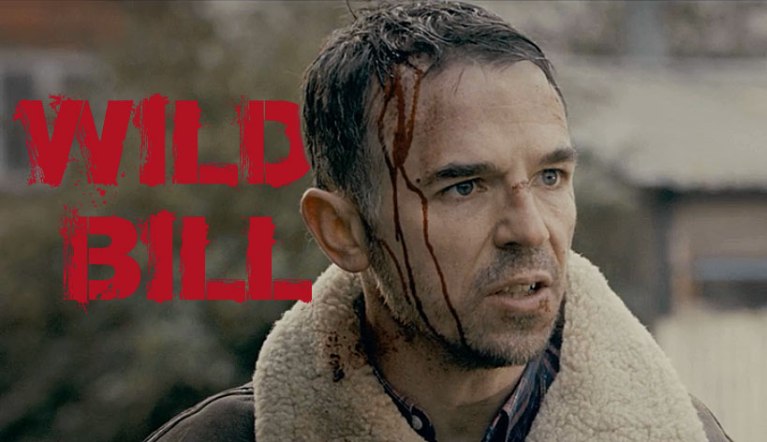
There’s a storm brewing throughout Wild Bill, a film about a “nutter” who’s just come home from eight years in the pen and is reintroduced to his two slum-living boys. Our titular antihero (played by Charlie Creed-Miles, aka Billy Kimber from Peaky Blinders) is a small-time crook with a larger than life reputation.

In many ways, Bill’s disposition is much like that of Nicolas Cage’s in Joe (another film titled after—and focused mainly on the psyche of—its lead). Both men are ex-cons with unpredictable temperaments who could snap at any given moment. And as in Joe, much of Wild Bill’s tension lies in the fact that we know from the outset that Bill—at first feeble and aimless upon his release from prison—will once again go wild. The questions that drive the story are simply when, and to what consequence?

Pressure is added to these questions when Bill is unwittingly forced into a parental role he’s clearly not cut out for. Initially, he takes the responsibility as if he were Billy Bob Thornton in Bad Santa. He uses the free lodging that his older, mature son has provided as a haven for pot smoking, drunkenly passing out on the couch, and consorting with a kind-hearted hooker.

billy bob thornton bad santa wild bill Charlie Creed-Miles

“Can we fix you some sandwiches?”

Reality soon hits Bill like a swift kick in the bollocks when a street gang from his past starts making threats on his family. From here, it’s on Bill to see what extent he’ll go to in righting a heretofore unremarkable and wasted existence.

A large part of what makes Wild Bill an exceptional British gangster flick is that it draws elements from both Guy Ritchie and another British filmmaking stud, Danny Boyle. It’s got the fast-paced, street-tough humor of a Ritchie flick, but also the more real-world-savvy emotional core found in the breadth of Boyle’s work (and the comedic flair of Trainspotting). In short, unlike what Ritchie detractors—and haters of other Mockney offshoots—might argue, it’s not simply style for style’s sake.

wild bill cast

Familiar faces from Wild Bill ‘s motley crew.

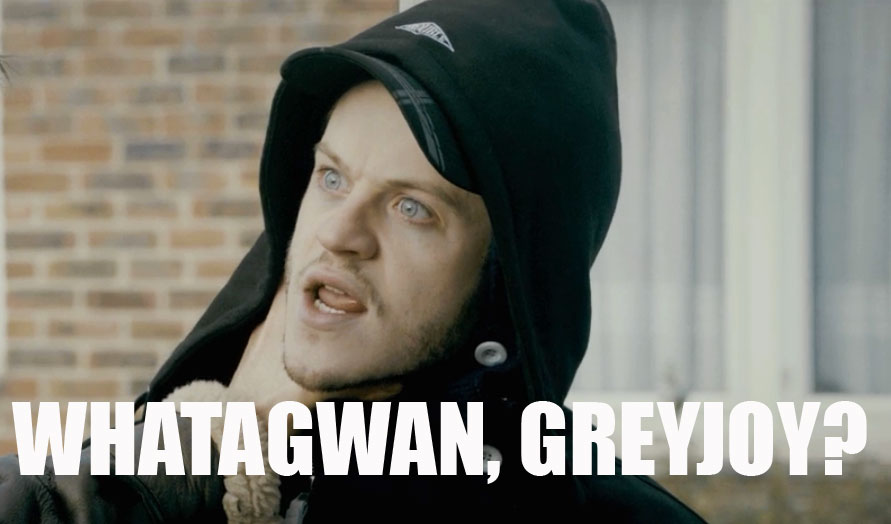
Another similarity Wild Bill shares with both Trainspotting and those better Ritchie films is its use of a colorful ensemble cast. Director Dexter Fletcher employs a who’s who of talented B-list British crime actors. Leo Gregory and Marc Warren (both familiar from Green Street Hooligans) play Bill’s shifty nemesis and a cracked-out dad, respectively. Neil Maskell (Kill List—also on Netflix Instant, and totally worth the watch), plays one of Gregory’s cronies. Jason Flemyng (Lock, Stock, Snatch, Layer Cake) makes a brief cameo. Andy Serkis—Hollywood’s favorite CGI stand-in—sheds his Gollum and Planet of the Apes makeup to play a menacing crime boss. And Iwan Rheon provides a comedic turn as a petty crack dealer who thinks he’s a badass rasta (hard to reconcile when pitted against his role as Ramsay Snow the Castrator on Game of Thrones).

Iwan Rheon Pill Wild Bill Game of Thrones meme

Iwan Rheon, aka Ramsay Snow.

The only debatable setbacks in this film would be that it’s not really as much of an all-out “gangster” flick as some of the aforementioned titles, and it also leans a bit heavily on heartfelt drama (a taboo subject on this here blog) as it comes to a close. Still, there’s more than enough smashing of pint glasses, soccer hooligan head-butting and general badassery to appease those looking for a proper follow-up to Lock, Stock and Snatch. And beyond that, it’s just a bloody damn good film, spearheaded by the underused Charlie Creed-Miles’ magnificent work.

GRADE: B+/A-
IMDb: 7.2

-Sam Adams

Joe on Netflix Instant or: The Beautiful Insanity of Letting Nicolas Cage Be Nicolas Cage

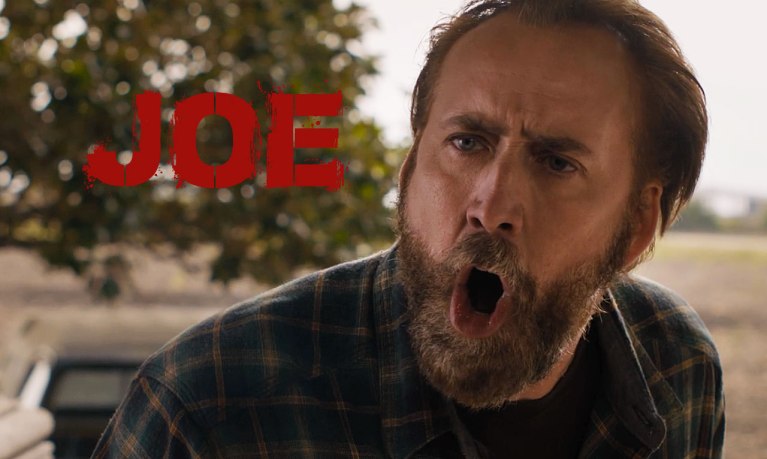
joe movie nicolas cage
Standard

If you filled a speedball with a dose of Winter’s Bone, a dash of Eastbound & Down and a hefty pour of old-school Nicolas Cage, the result—once injected into celluloid—would be director David Gordon Green’s Joe.

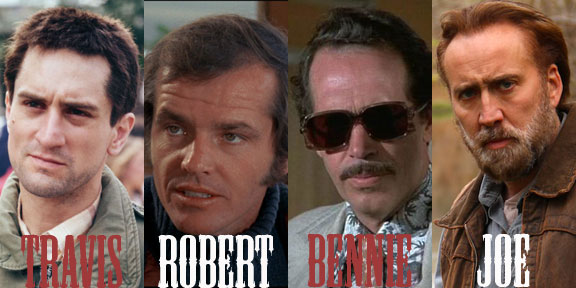
In many ways, it’s the kind of film that Scorsese and Bob Rafelson and Sam Peckinpah were making in their heyday. I’m not saying that Joe is as good as Taxi Driver or Five Easy Pieces or Bring Me the Head of Alfredo Garcia, but for the most part, it’s got the type of filmmaking balls that those flicks had.

And much in the same way that badass character actors like De Niro, Nicholson and Warren Oates were given free reign to go apeshit in those flicks, Nicolas Cage gets the opportunity to show why there are still those among us with faith in a guy whose recent filmography has redefined Hollywood’s Mendoza Line.

Nicolas Cage Warren Oates Jack Nicholson Robert De Niro

What’s not to love about morally conflicted men with the weight of the world on their shoulders and a vicious mean streak?

But before I get too much into Cage, let’s get back to that idea of why Joe, for the most part, feels like a fitting accompaniment to that period of unbridled, freeform filmmaking that was so excellently captured in the nostalgic documentary A Decade Under the Influence.

On the surface, Joe opens as a film about a volatile but goodhearted ex-con who’s gone semi-straight and now runs a work crew that poisons trees at the behest of a big lumber company. Joe hires on a 15-year-old boy (Tye Sheridan, Mud) to help out, and the two develop a close bond. Problem is, boy has a drunken, money-grubbing pappy who’s meaner than the day is long. A scarfaced nemesis of Joe’s also helps set the stage for the film’s storyline.

But the storyline is by no means why I’m gushing about this film. Joe excels much more as a series of  dark, improvisational backwoods vignettes than it does as a traditional narrative. It’s got that raw edge of ’70s classics like Deliverance, wherein much of the film’s wit, hilarity and unease comes from real folks (and a few trained actors) engaging in loosely directed, improvisational scenes composed of regional dialect.

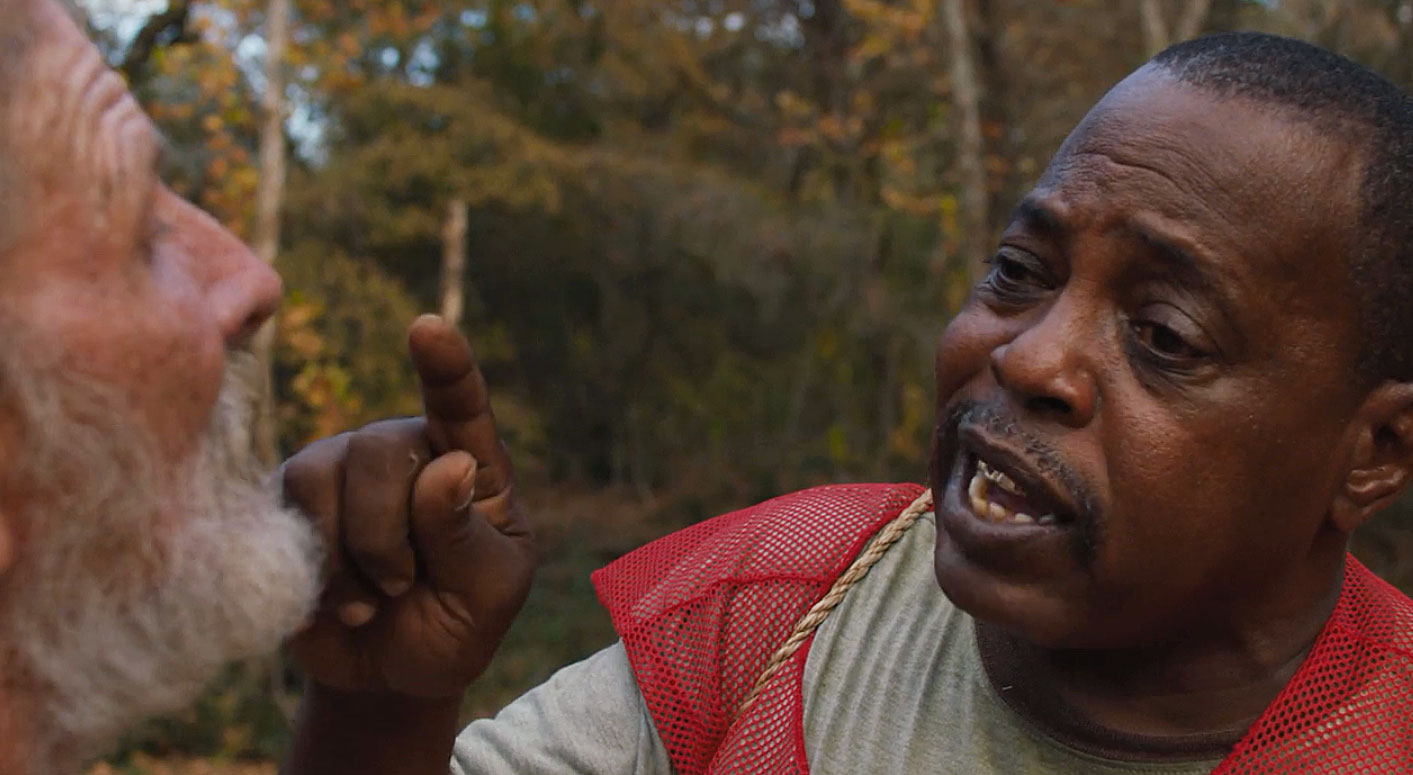
joe movie gary pouter brian mays

“You betta get yo ass up out my mothafuckin’ jaw… Ya country mothafucka!”

Essentially, Joe is a mood piece set to the tune of barking dogs, rain, booze, skid row slumming and cigarette smoke. But the film’s mood is also just a backdrop, or a platform for two of the most unforgettable performances from 2013.

One of these comes through the off-the-cuff acting of Gary Poulter, a real-life homeless drunken drifter who was tapped to play Tye Sheridan’s dad. Regardless of whether you decide to watch Joe, I highly recommend reading his tragic story.

In one of the most equally unsettling and poignant cinematic scenes I can think of, Poulter’s character Wade (AKA G-Daawg), stalks a man over a bottle of cheap wine. Without giving anything away, what plays out in this scene is what makes Poulter’s character mesmerizing throughout: the depiction of a man hellbent on ruin and greed who, at the same time, hangs on to the most utterly minuscule shred of humanity that could possibly exist within a person.

In that same scene, Poulter also delivers a line that could easily serve as an epitaph for the actor, who died by drunkenly drowning in a puddle of water before Joe was released…

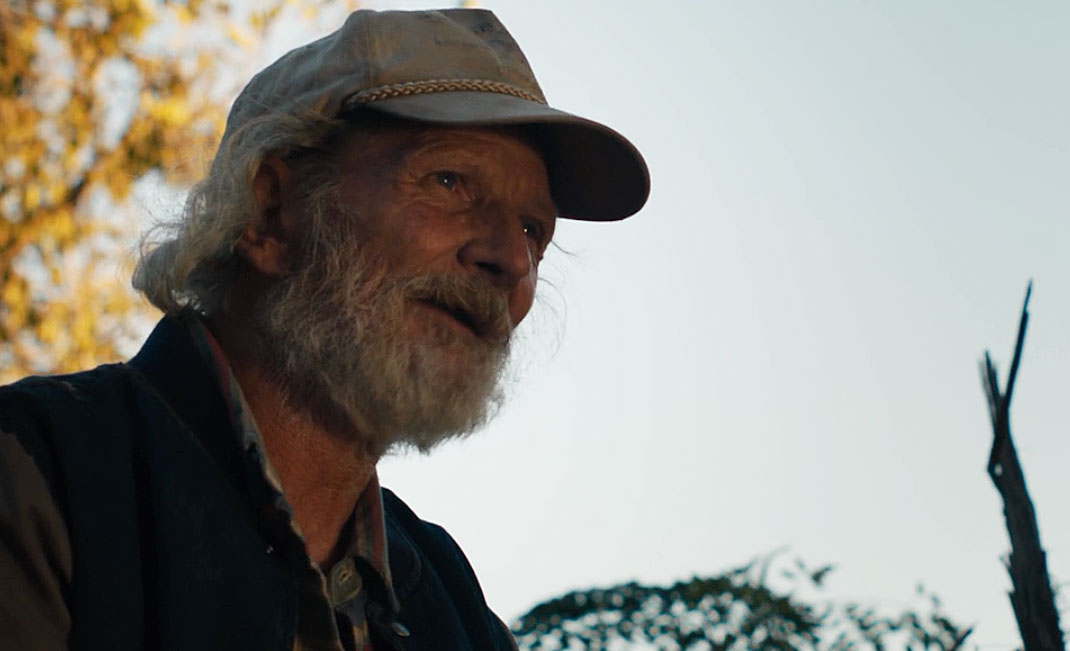
g-daawg gary poulter

“A person just don’t know from one day to the next which one is going to be their last.” -Gary Poulter, 1959-2013

You can’t write a character like Wade, who goes on a lengthy diatribe about “popping and locking” and shows off his own dance moves in a scene that’s kind of like Napoleon Dynamite meets the knee-slapping redneck gas station attendant from Deliverance. The only way you can get a performance like his is to drag a quasi-genius hobo like Gary Poulter off the street, stick him into your movie, and see what happens. In Joe—as in those films of yore—the gamble pays off with an almost hyperreal effect.

deliverance You don't know nothin

“You don’t know nothin’.”

And now I think it’s about time we discuss Nicolas Cage.

Perhaps you watched Ghost Rider and its sequel and wanted to swallow a cyanide capsule. Perhaps you watched Bangkok Dangerous, Drive Angry or The Wicker Man remake (truly one of the worst movies ever made). Perhaps you’re just so let down that an actor with so much promise decided to go the De Niro route, spending the last 20 years involved mainly in a series of disastrous money grabs. Or maybe you’ve just had enough of this:

(I hope you enjoyed that as much as I did.) Moving on…

I will admit that what I’m writing about Joe is by far the most biased recommendation I’ve given on this blog. There was a point in my adolescence when I idolized Cage the way Johnny Depp did Hunter S. Thompson. I didn’t merely admire the man—I wanted to be him. I took this obsession so far as choosing Nicolas as my Christian name when I was confirmed at age 13.

After all, three of the greatest action movies ever made had just come out: Face/Off, The Rock and Con Air (yeah, Con Air is a classic in my book… hate all ya want). There was not a man in Hollywood with the swagger or ability to deliver a line like Cage.

Then came duds like Snake Eyes, 8MM and Bringing Out the Dead, and all of a sudden, the Michael Jordan of acting was gone in sixty seconds.

At that age, I was unaware of a little flick—sandwiched between those epic blockbusters—called Leaving Las Vegas (also on Netflix Instant). Cage proved there his acting chops were both something extraordinary and something of a uniquely inimitable brand that only one man possessed.

Since Joe‘s release, it’s been billed as Cage’s return to form, and his strongest work since Leaving Las Vegas. The latter is true, but for every 10 Season of the Witch’s, Cage has managed to slip a few great, overlooked performances into his repertoire. Chief among these was his work in the great Werner Herzog’s miserably titled Bad Lieutenant: Port of Call New Orleans. A lot of folks also liked Adaptation. (personally I could give two shits about the pretension of Charlie Kaufman and Spike Jonze, but Cage was good in it). And Lord of War was a thoroughly enjoyable machismo rip-off of Goodfellas.

So what is so damn special about Cage’s performance in Joe? Well, not only is he given free reign to be himself, but he’s given free reign to be a vile, hilarious psychopath, which if we’re being honest, is exactly where Cage excels:

Cage goes rogue-Cage in this movie, and for anyone who’s ever been a fan of his, it’s one of the most glorious damn things in years. This said, I think it would be a mistake to heap all the praise solely on the man himself. Which is where David Gordon Green comes in.

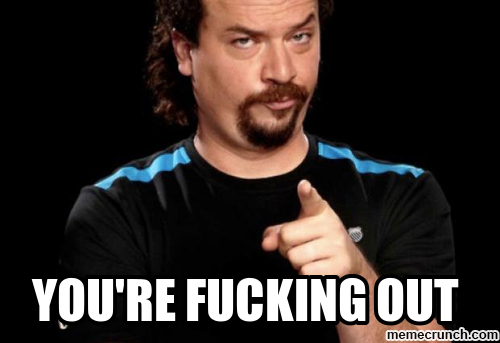
Green has a resume that makes very little sense. In the early 2000s, he was doing touchy-feely indie flicks. Then he joined the Seth Rogen-Jonah Hill bandwagon and directed Your Highness and Pineapple Express. And then he made that pandering piece of indie laxative that you’ll see on every Gawker-y Netflix list called Prince Avalanche. However, he also directed 12 episodes of the sensational John Rocker-themed HBO series Eastbound & Down, starring Danny McBride as Kenny “La Flama Blanca” Powers.

Kenny Powers David Gordon Green Joe

Eastbound & Down: one of the best comedy series ever made. Period.

EB&D merits mention in this growing novella of a post for a few reasons. Namely, co-creators Jody Hill and Danny McBride were executive producers on Joe (and also because of Green’s connection)For those who can detect it, Joe is full of the exact same brand of black humor that EB&D made a killing on. And that—combined with the improvisational acting and bleakness of Winter’s Bone—is what makes Joe such a fascinating, eclectic anomaly of a film.

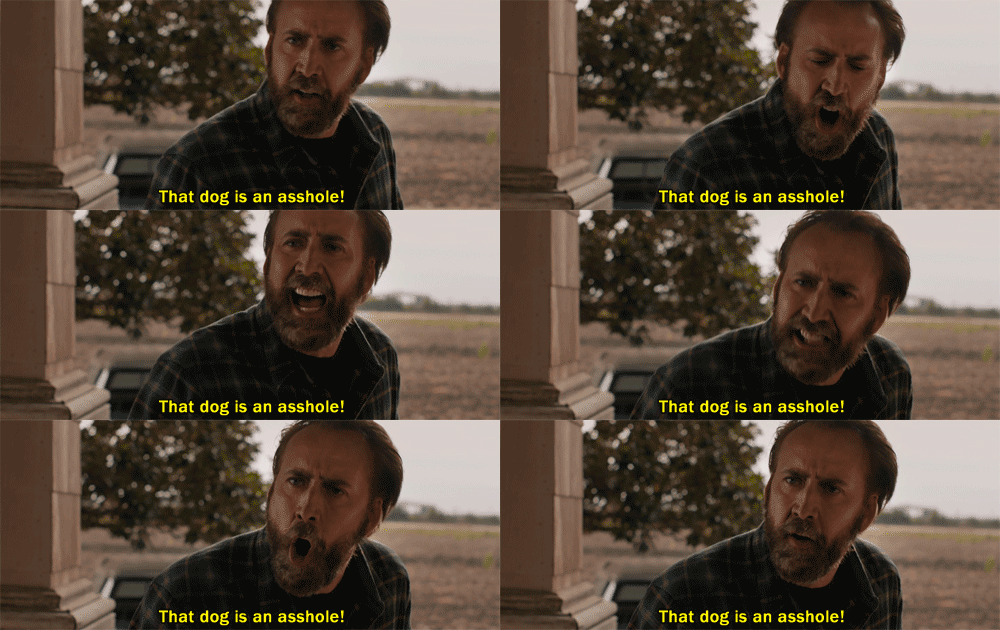
joe that dog is an asshole

Cage’s fixation with referring to canines as “assholes” provides for some of Joe‘s better laughs.

Not everyone is going to love this movie. And since its much more scattered and unhinged than your traditional Hollywood narrative, I’m sure a lot of folks will just wonder what the fuck is going on. Which is fair, because Joe has its share of flaws. (For example, the constant shrouded-in-menacing-mystery dialogue about who Joe really is is played up more than just a little heavy handedly.)

But if we’re calling Joe a flawed movie, I’d add that it’s hands-down one of the best flawed movies made in the last 40 years. Joe is country noir at its finest, and a prime example of a national treasure getting back to what he does best.

GRADE: A-
IMDb: 6.9

-Sam Adams

NOTE: I particularly recommend this flick to folks who liked Blue Ruin; Jeff Nichols movies like Shotgun Stories and Mud; and anyone who’s ever read a Daniel Woodrell novel.

V/H/S and V/H/S/2 on Netflix Instant: Found footage not to be frowned upon

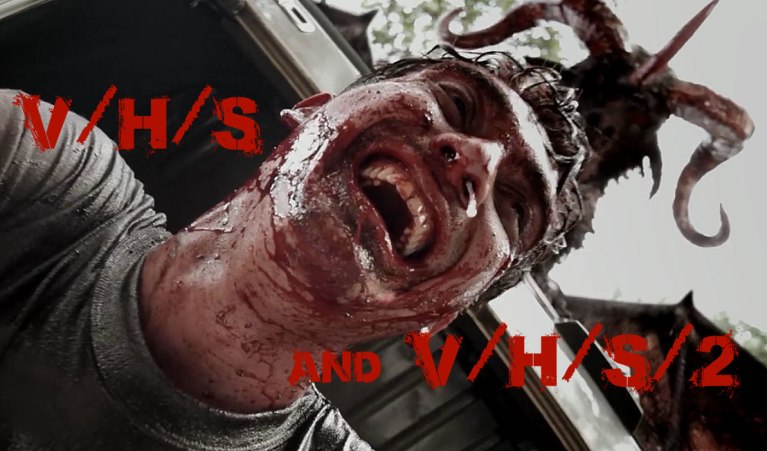
V/H/S and V/H/S/2 on Netflix Instant
Standard

“Found footage” has grown to carry a rather negative connotation amongst horror fans. Much of this is for good reason, what with the innumerable low-budget, low-quality and utterly braindead derivatives of Blair Witch and Paranormal Activity (including several of the half-assed Paranormal sequels themselves). But recent strides have shown that there’s still sustenance waiting to be milked from this zombie-cow of a sub-genre.

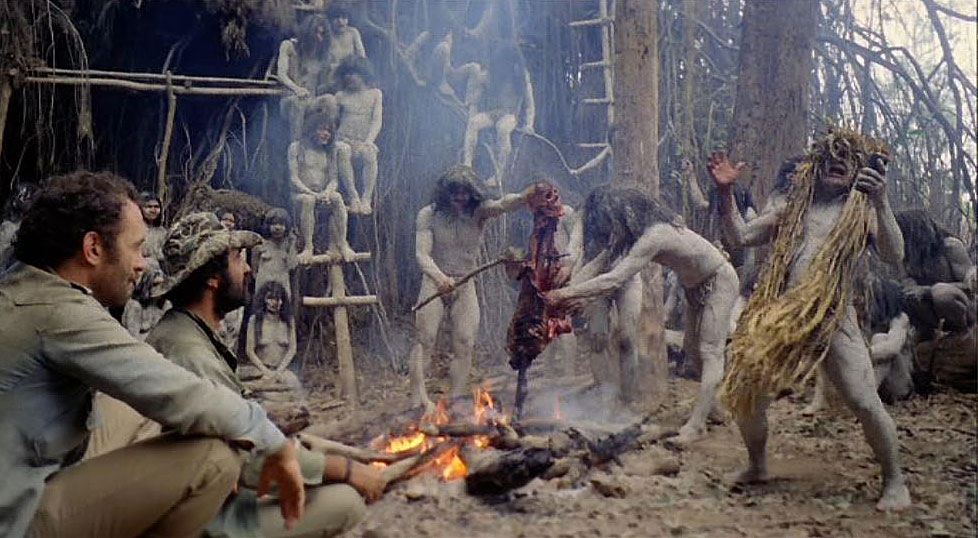
cannibal holocaust found footage

Cannibal Holocaust (1980): The grandaddy of found footage and one of the most gruesomely warped movies of all time.

Highlights among these modern additions include REC, the great George Romero’s Diary of the Dead, Trollhunter and 2014’s The Taking of Deborah Logan (the last two of which are available on Netflix Instant). Bigger-budget films like Chronicle and Cloverfield were also impressive, although I’d file them more under sci-fi-suspense than horror.

The psychology—not economics—behind why found footage films have become so successful is rather simple. On one level, we live in a culture that is unhealthily obsessed with voyeurism. On another, I would argue that this sub-genre caters to horror fans who, like myself, have trouble suspending their disbelief (e.g., I don’t believe in ghosts, so it’s hard for me to take exorcism or haunting stories seriously unless they get really damn creative.)

Watching a horrific tale unfold in what appears to be a more organic way works—at the very least—as a device that heightens the plausibility of such stories for viewers. Or put more plainly, the lifelike stylization of a movie within a movie overwhelms my ape brain, enabling it to quickly succumb to ideas I might have previously scoffed at. … At least that’s my two cents.

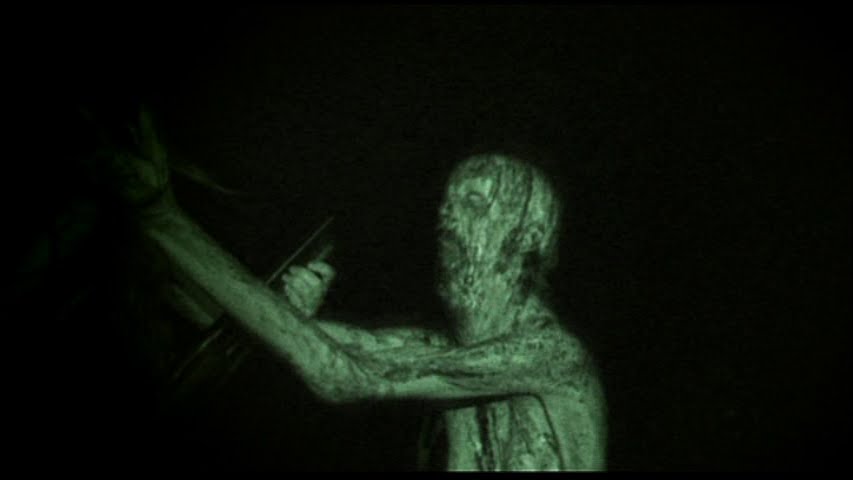
rec movie zombie

Zombie rabies: somehow much more believable when shot with a shaky handcam on night vision.

So as a horror lover who believes found footage is by no means an exhausted fad, one might ask what took me so long to get toV/H/S and V/H/S/2. The answer, quite simply, is that they have absolute shit scores on IMDb. The first installment carries a lousy 5.8, and the second is just slightly higher with a 6.1.

I’ve warned readers several times that horror scores on IMDb are usually at least a point below what a non-horror movie of equal caliber would draw. Still… I can only think of a handful of movies that ever ranked at a 6 or below that were worth my while (Here’s to you, Beer League). So why did these two really good horror flicks score so low? Chalk it up to moral outrage from non-horror fans translating into IMDb lowballing. Which is a good segue for a more specific look at our first recommended film in this post:

V/H/S
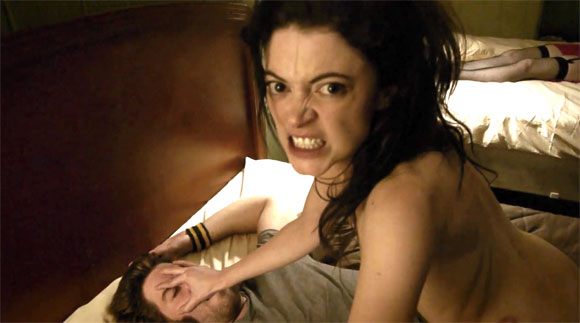
Hannah Fierman V/H/S Amateur Night

V/H/S opens through the lens of a group of hipster jackasses going around and filming themselves in acts of torment and destruction. Their first “prank” is a pseudo-rapey act in which they attack a couple in a parking garage.

I’m fairly sure quite a few of those negative scores on IMDb came from viewers who couldn’t make it through the first 20 minutes of the movie. While the actions of these small-time goons is certainly morally reprehensible, the shoddy, shaky, handheld recording quality of the film in the opening sequences is even more of an affront to the general public. It makes Blair Witch look like it was shot by the great Emmanuel Lubezki.

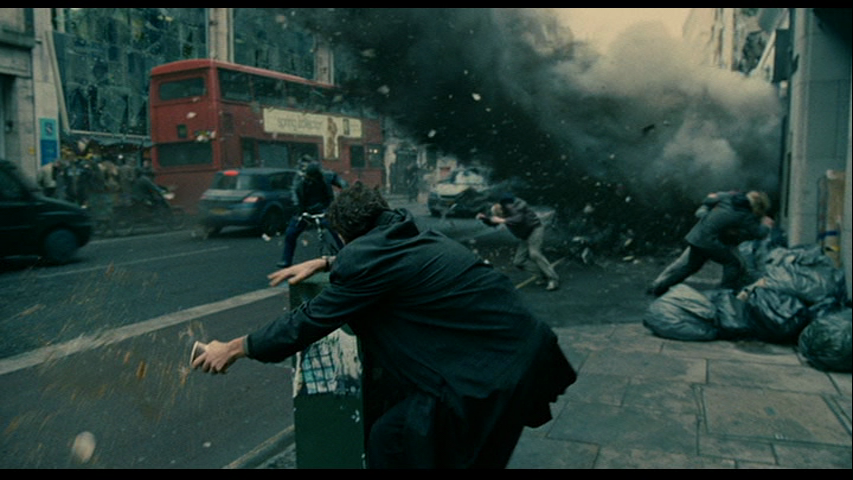
Emmanuel Lubezki Children of Men six minute shot

The brains behind Children of Men‘s famous uninterrupted six-minute action shot, Emmanuel Lubezki also killed it with Birdman and Gravity. Too bad he wasn’t available for V/H/S

For those who can exercise a bit of patience, V/H/S quickly takes a turn for the better as the criminals get a cash offer to break into a house and recover a video tape of unknown origin. As the baddies start popping movies into VHS players, they realize they’ve stumbled on a treasure trove of what are mainly supernatural snuff flicks.

Here, V/H/S begins its anthology format, diving into five shorts by five different directors. Thankfully, the earlier narrative goes largely by the wayside, and we’re treated to a series of immensely harrowing found footage tales, all shot in at least slightly superior quality to that barely watchable intro.

V/H/S isn’t the first horror movie to embrace the anthology format (Creepshow and Three… Extremes immediately come to mind), but it is a novel idea for the found footage genre. It’s particularly refreshing when pitted against all that Paranormal Activity jive in which we typically have to wait through about an hour of cabinets banging, chandeliers rattling and lights going on and off before we actually get to see the shit hit the fan.

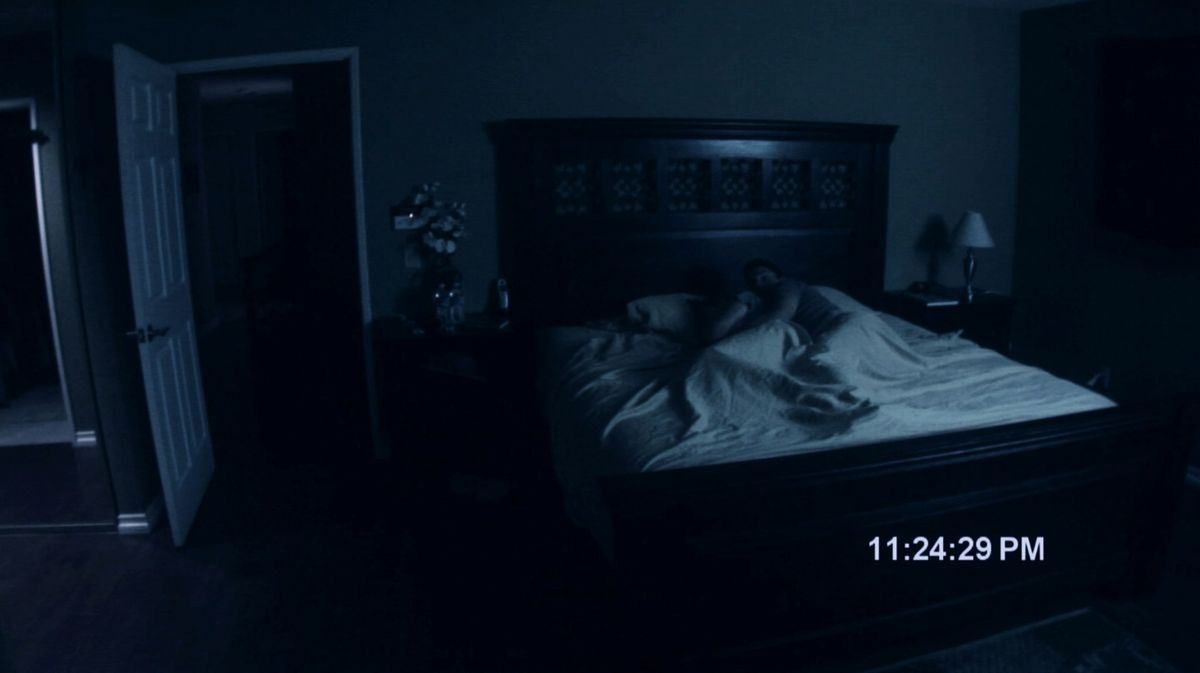
paranormal activity

Paranormal Activity: Proof that you can make hundreds of millions by screening footage of people sleeping.

If you’ve ever been irked by comedies that are hilarious for the first 45 minutes and then fizzle out due to that whole “narrative thing,” V/H/S is exactly the antidote, except in horror form. The first short, “Amateur Night,” introduces us to more rapey dudes who go bar hopping and bring some drunk girls back to their hotel. Of course, said bros are looking for love in all the wrong places, and date rape quickly turns into a date with destiny.

“Amateur Night” is the strongest of the five shorts in V/H/S, but the other stories—about a couple being stalked on a honeymoon in the Grand Canyon; a demonic backwoods retreat; a Skype chat gone wrong; and a Halloween party from hell—are all intensely creepy shorts.

V/H/S may not be reinventing the wheel, but outside of come choppy camerawork, it’s about as entertaining throughout as a horror film could be. And it also gets some kudos for being the predecessor to one of the best found footage movies ever…

GRADE: B / B+
IMDb: 5.8

V/H/S/2
V/H/S/2 Hannah Hughes

The recipe for V/H/S/2 is essentially that of its prequel: gallons of blood, lots of boobs and an ever-present nobody-walks theme. However, it’s as if the directors came back and fixed every kink. For one, the main narrative—a dickhead private dick and his sexy sidekick looking for a lost kid and stumbling on more VHS tapes—actually weaves through the films shorts in a way that makes it more than just a castaway excuse for an anthology film.

V/H/S/2 would also probably be more aptly titled H/D/CAMCORDER, as all of its sequences are shot in much higher definition than the original—lending some strong visual appeal to the horrific bleakness of each. And the second installation is a bit more concise than the first, with four shorts instead of five, and 22 minutes less of run time. (Note to indie filmmakers: Editing is not your enemy!)

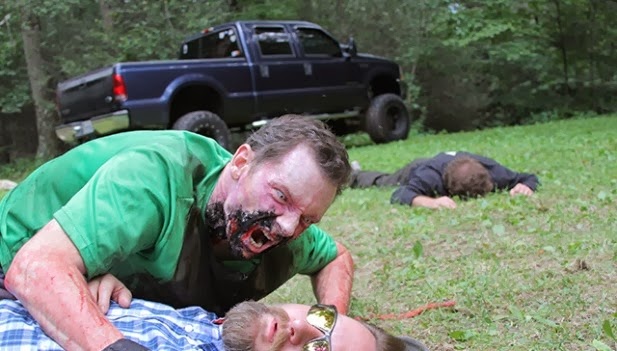
V/H/S/2 a ride in the park

I see dead people… in HD.

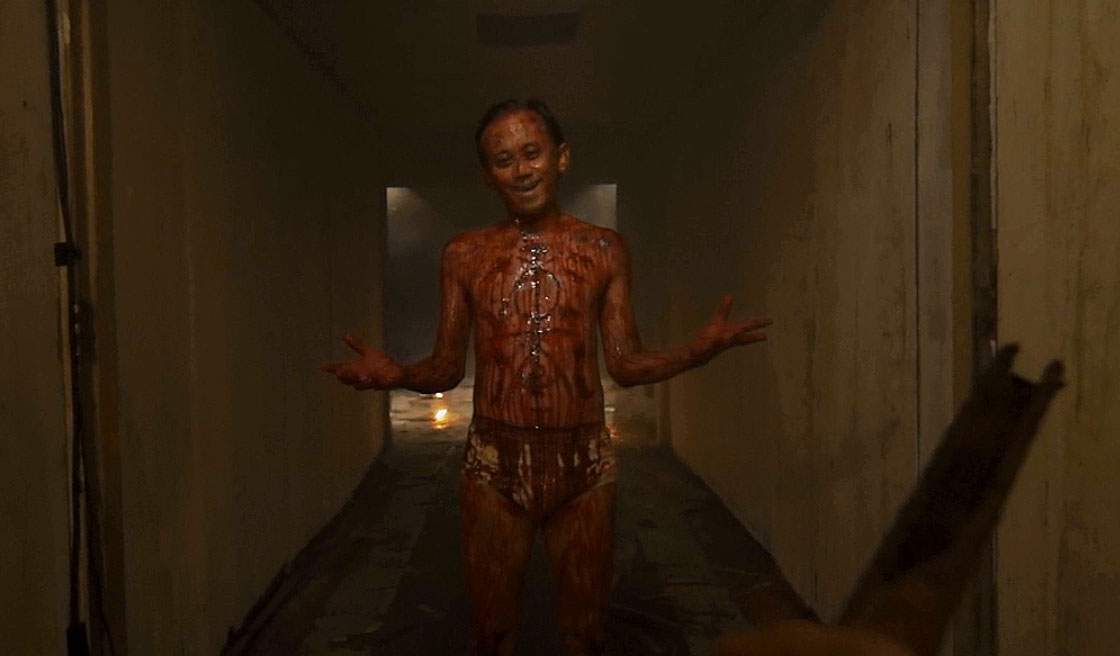
V/H/S/2 also has the crowning achievement of creating what’s at least debatably the best half hour of found footage work ever made. Directed by Timo Tjahjanto and Gareth Evans, the third sequence in the film, “Safe Haven,” is far and away the pinnacle of both V/H/S films.

The (comparably longer) short begins with a documentary crew filming a notorious Indonesian cult leader. Eventually, they persuade the sinister guru to let them bring cameras into his lockdown camp to expose the truth. Seeing as Ti West and Joe Swanberg have a heavy hand in both V/H/S films, it’s worth noting that this initial set up is eerily similar to that of The Sacrament, West’s 2013 found footage riff on the Jonestown Massacre, which stars Swanberg. (The Sacrament is on Netflix Instant, and is a totally worthwhile horror flick.)

safe haven

“Drink the Kool-Aid, motherfuckers.”

But where The Sacrament leaves your typical doomsday cult scenario, “Safe Haven” takes it a giant, cloven-footed step further. The end result is simply one of the most gloriously gory and innovative executions that modern horror has to show for itself.

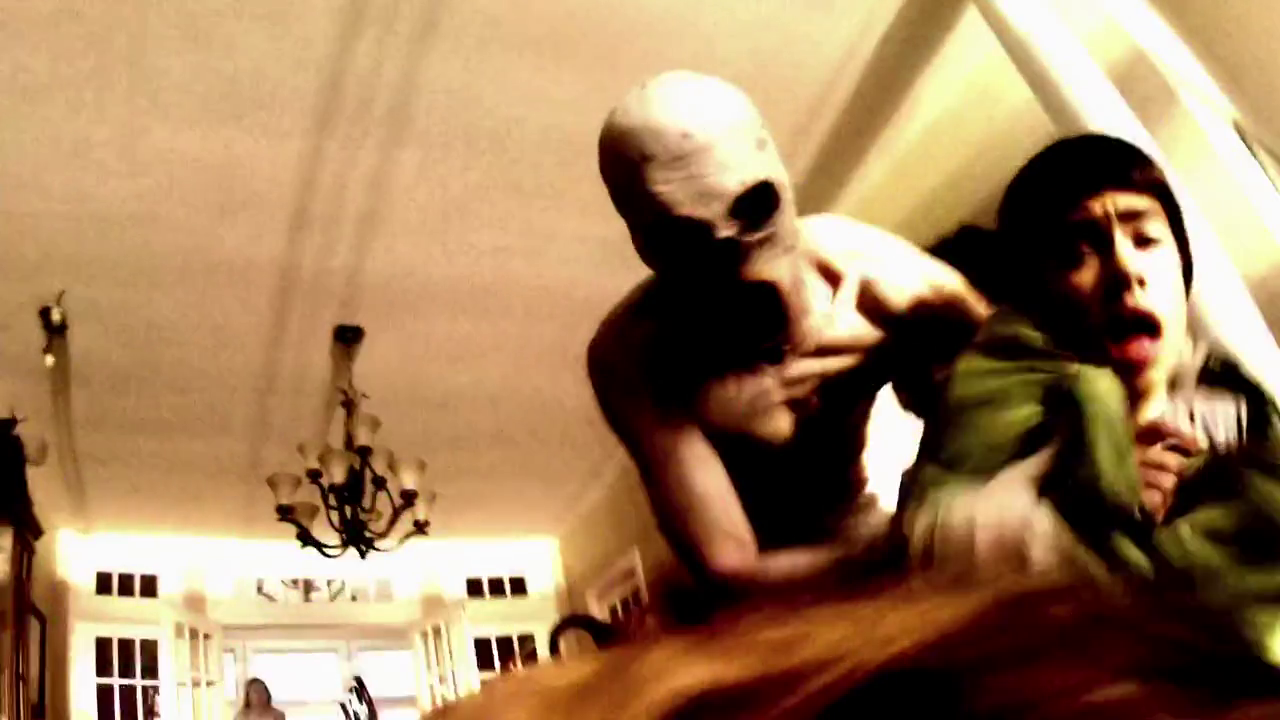
The other three segments in this blood-red mosaic don’t disappoint either—both in terms of execution and innovation. Adam Wingard’s “Phase I Clinical Trials” is viewed literally through the eye of a guy with an ocular implant that records his surroundings and allows him a closer connection to the paranormal; “A Ride in the Park,” by Blair Witch alums Gregg Hale and Eduardo Sánchez uses a GoPro to capture a carnival of carnage in a quiet forest; and arguably the second-best short in this film, Jason Eisener’s “Slumber Party Alien Abduction,” well, the title is kinda self explanatory.

Slumber Party Alien Invasion

A PSA from “Slumber Party Alien Abduction”: Dear Signs, you sucked.

In all, V/H/S/2 delivers more shocks and excitement over its 96-minute run time than the entire Paranormal Activity saga combined. It’s not only one of the best found footage movies of all time, but also arguably one of the best and most creative horror flicks of the past decade.

GRADE: B+ / A-
IMDb: 6.1

-Sam Adams

Fifty Shades of Bleak: The Fall Returns to Netflix Instant

the fall jamie dornan gillian anderson
Standard

[NOTE: No big spoilers for Season Two, but refer back to this post if you missed Season One.]

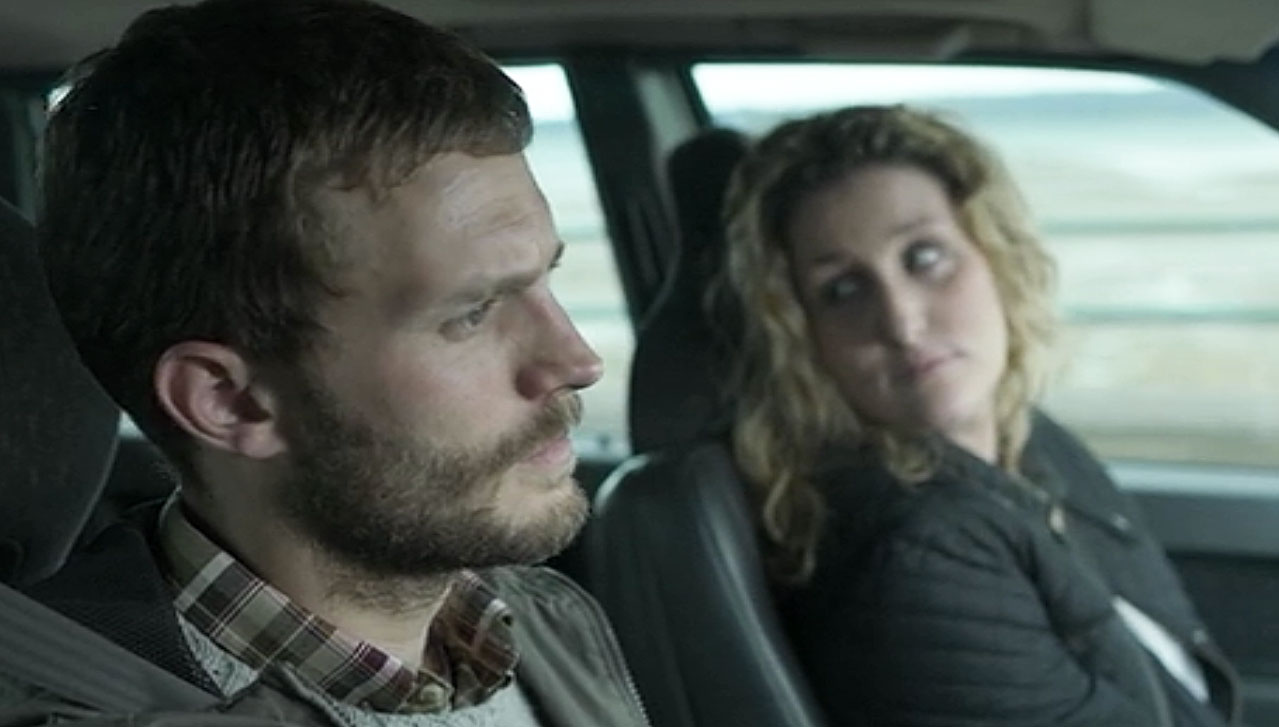
Unfortunately, the above image is not an official promo for the BBC’s steamy Belfast-BTK series The Fall. It’s actually more of an, um, abstract dream collage representation of what Season Two might evoke to viewers. (Gillian Anderson’s character keeps a dream diary, and Jamie Dornan’s does nudie collage scrapbooking, so I don’t think I’m reaching that far.)

In that Season One recommendation, I mentioned that the show was phenomenal, but that it left us with what I most eloquently described as “an asshole of a cliffhanger.”

the fall season one

“Just gonna drive away in me car with me homely wife and make yeh fuckers wait a few years…”

Without revealing too much, the six new episodes added to Netflix Instant do a nice job of picking up the pieces, albeit at a pace that might inspire some to launch their own killing spree on BBC producers—provided this were a weekly series and not delivered all in one fell swoop. (Recent medical reports show that Netflix is effectively curing ADD through its wonderful full-season-all-at-once template.)

To be fair, the slow build-up doesn’t really come in the form of extraneous plot lines (here’s looking at you, Boardwalk Empire‘s countless hours of Margaret Schroeder fretting over minutiae).

Margaret Schroeder annoying

“The cheeldrin need their day care and I don’t particularly like these flowers and perhaps I’ll go throw a fuss at the dress shop or get tah screwin’ the Irish lad who works for me husband or some such…”

Season Two begins a few weeks down the road from where Season One left off. Paul Spector, AKA “The Belfast Strangler,” (a dreamy, asphyxiation-fetished Jamie Dornan) is still at large. The search quickly hones in on him, and a season-long game of cat and mouse between Spector and investigator Stella Gibson (Gillian Anderson), unfolds.

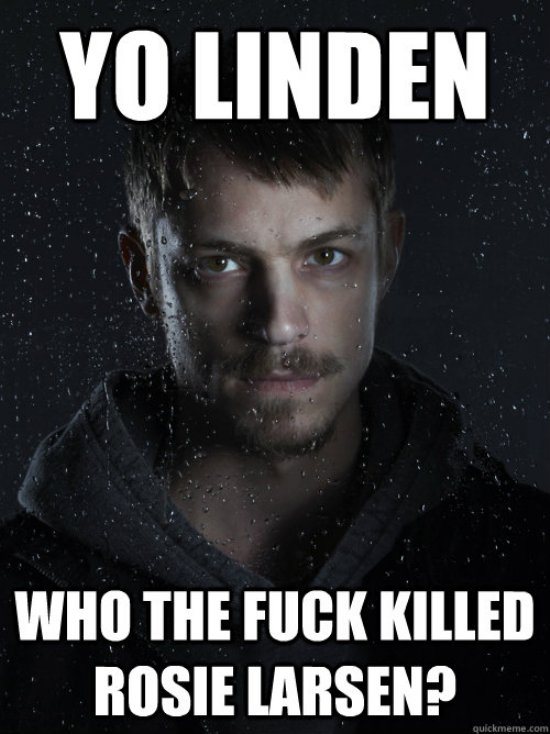
If you wanted resolution, there’s definitely more here than in Season One. But the show seems to struggle with the main  narrative predicament that The Killing did in its first few seasons (rest assured, this is a much more carefully constructed and fully realized series than what was going down in the Pacific Northwest.)

the killing holder

A question The Killing took about 12 episodes too many to answer…

That predicament, as I’m sure it has been posed in countless BBC screenwriters’ meetings, is, “When the killer’s caught, what the fuck do we do with this show?”

I’ll leave any speculations on that question in the hands of the viewer. I will say that it’s to the show’s credit how it manages to stay engagingly suspenseful even as Season Two’s narrative meanders along. I should underline that this season of The Fall is much more of a criminal suspense show, and much less of a bloody thriller.

That last note brings up an issue that one could say is either a narrative fault of Season Two or a moral fault of its viewers (present company included). Essentially, it’s simply not as compelling to watch as Season One, and much of that has to do with a lack of, well, murder.

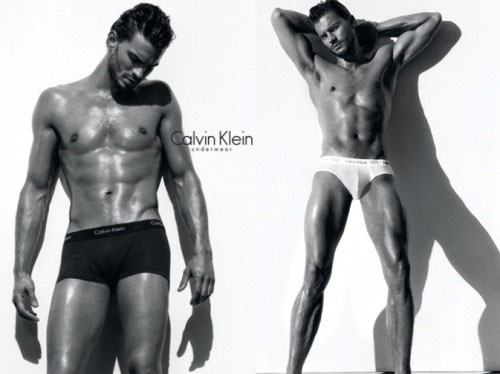
A large degree of this show’s allure comes from the fact that Paul Spector often blurs the antogonist/protagonist line. Don’t get me wrong—he’s a really, really bad guy. But c’mon, his shirtless-prone character often seems less like the BTK Killer and more like the equivalent of Ted Bundy in a Calvin Klein ad.

Jamie Dornan Calvin Klein The Fall

Jamie Dornan: Just your prototypical, run-of-the-mill serial killer

The point? As fans of crime shows, we are implicit in wanting to see how much bad guys can get away with. We like it when the body count rises; the deadlier the game, the higher the level of intrigue. And our baddie really does not get away with much at all for the majority of Season Two.

So yeah, I respect The Fall for being a really good crime show that succeeds without pandering to its audiences’ base bloodlust. But the fact remains that we still came to watch a serial killer show. Season Two leaves that desire wanting.

The series seems very aware of this predicament. It even builds it into a dialogue exchange as Gibson watches a video of Spector in the midst of nefarious acts:

Spector, to the camera: “Why the fuck are you watching this? You sick shit. What the fuck is wrong with you?”

Gibson: “Who [are] you talking to? Yourself? Me? People who like to read and watch programs about people like you?”

In a stylistic touch, Gibson appears to be breaking the fourth wall as she asks this question. OK, The Fall—you got us. We are guilty of, uh, being fascinated by your serial killer show.
Breaking Bad you got me Bryan Cranston heisenberg

But here I am pointing out a lot of faults in what I think is actually one of the most intelligent and compelling series currently filming. So let’s get to some of the pros.

Gillian Anderson, for one, is bar-none one of the best actors working in television. The icy portrayal she gave in Season One becomes more fleshed out here as the show delves into her sexuality, morality and—god forbid—sentimentality. “You can see the world in that way if you want,” she says to a colleague who calls Spector an evil monster. “You know it makes no sense to me. Men like Spector are all too human, too understandable. He’s not a monster. He’s just a man.”

For a character who maintains poise in her profession by playing the one-note, sinister, head-motherfucker-in-charge, Anderson infuses an uncanny dramatic range into the arena of emotional subtlety.

gillian anderson the fall

Give this woman a friggin’ Emmy, already!

As for Dornan, he does a fine job, but the underpinnings of his psyche don’t exactly reach Lecterian heights. He’s either angry or manipulatively heartfelt or vacant—and that’s about his emotional range. It would be nice to see a bit more.

And while we’re on the subject of Dornan, let’s address the handcuffed, spread-eagled elephant in the room. What I’m talking about, of course, is that in less than a month from Season Two debuting, Fifty Shades of Grey will hit theaters.

Let me put the twisted sickness of that in perspective. In The Fall, Dornan plays a man who uses his handsome wiles to gain the trust of women and then bind them with rope and perform erotic choking acts on them. In Fifty Shades… well, I know nothing about Fifty Shades, but I’d imagine he does the same exact thing. Only difference? Christian Grey is a sex symbol that will have women lining up around the block on Valentine’s Day. Paul Spector, on the other hand, is a murderous rapist.

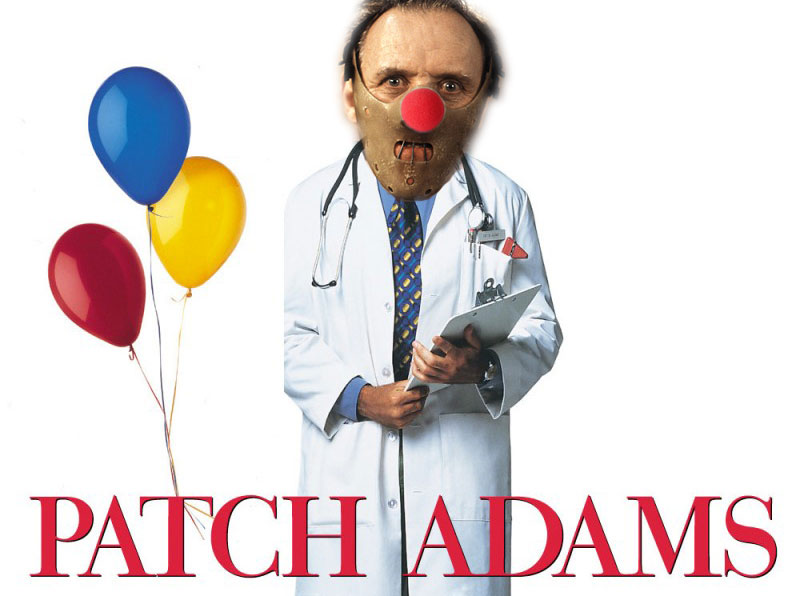
I wonder if Dornan got the part when some Hollywood exec was watching The Fall and thought, “Hey, this guy’s hot and really does the BDSM thing well. Let’s just cast him in a role where he does the same thing without killing his sex partners.” It would kind of be like if Anthony Hopkins had followed up his role of Dr. Lecter by taking Robin Williams’ place in Patch Adams.

patch adams hopkins silence of the lambs

“Would you like a bedtime story, Clareeeece?”

As far as what else keeps The Fall moving, its creator Alan Cubitt altruistically gives several of Season One’s role players much bigger parts. Spector’s 16-year-old worshipper Katie (rather creepily sexed up by the 22-year-old Aisling Franciosi) becomes a key player in Spector’s criminal movements. Her performance and those of other more-seasoned actors are all well played. The only issue is that Anderson and Dornan dominate this show so heavily, it’s difficult for anything that’s not centered on their characters to carry as much intrigue.

All said, despite a slower pace and my nervousness that The Fall could easily go the wayward route of The Killing if it doesn’t figure itself out, it remains perhaps the best current crime series this side of True Detective. Queue it up without further delay.

SEASON TWO GRADE: B+ / A-
IMDb: 8.2

-Sam Adams

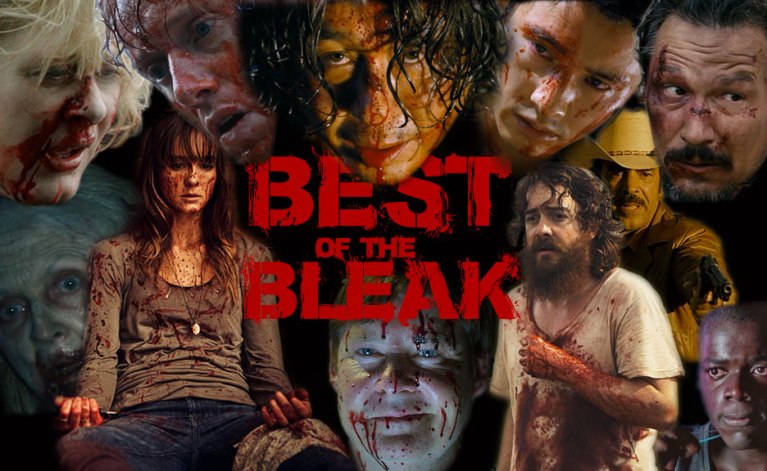
Best of the Bleak: Eighteen Top Lesser-Known Crime, Thriller and Horror Netflix Instant Titles from 2014

Best movies of 2014 netflix instant
Standard

Consider this post a witches’ brew. The contents started as a liquid composed of every crime, thriller and horror feature on Netflix Instant. Then I cranked up the heat and gave it a year-long simmer, meticulously skimming away the fat and nasty bits. After that, I spent the next three months tasting and testing till I finally had a small saucepan of the darkest, most delectable demi-glace. I then took that shit and poured it over the finest unicorn liver and paired it with a nice barrel of chianti. And now… Dinner is served, cabrones!

hannibal lecter drinking

Bon appétit!

Wait. Did you catch all that?

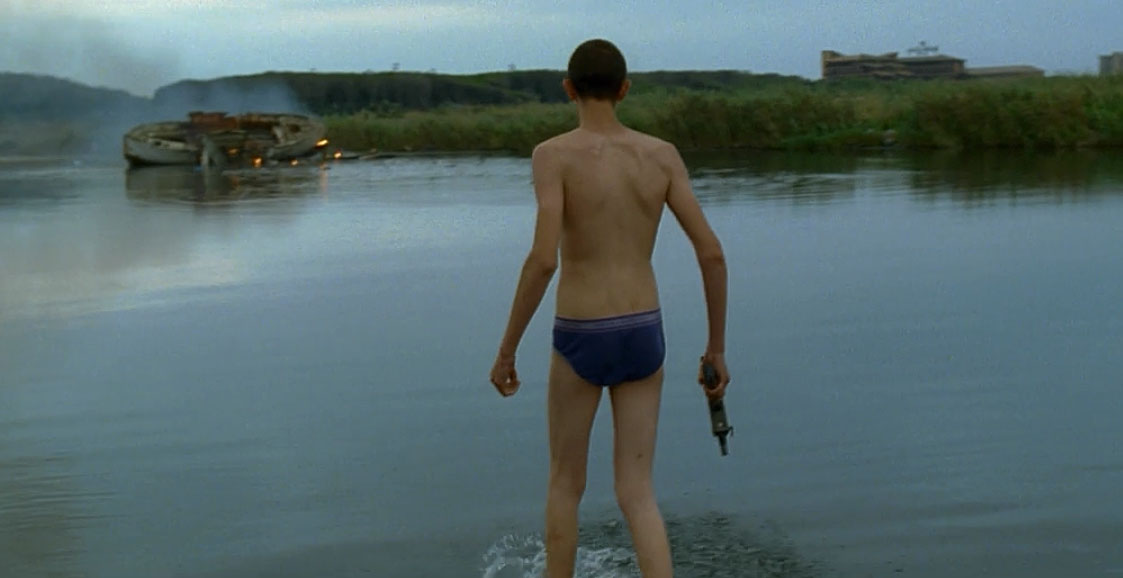
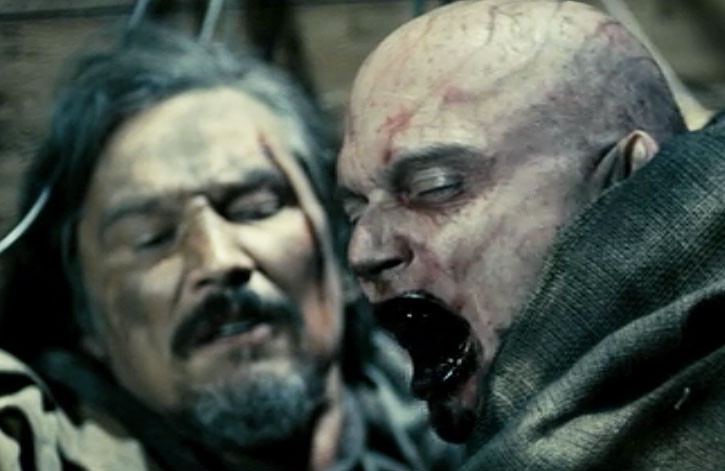
Essentially what I’m saying is that I spent a year combing through Reddit subthreads, countless hours watching every imaginable film and series on Netflix Instant, and three months writing about my favorite lesser-known titles (along with the help of my partner-in-crime, Adam Fox). I’ve now condensed all this research into a list of 18 of the best horror, crime and thriller features that you may have not seen on Netflix Instant.

Are a few things missing? Sure. No list is definitive, and that’s what next year is for. But consider this a damn good menu, with every item coming highly recommended by the chef himself.

Here’s the list, graded and alphabetically ordered, with titles linking back to our initial long-form posts:

MOVIES
headhunters

Blue Ruin
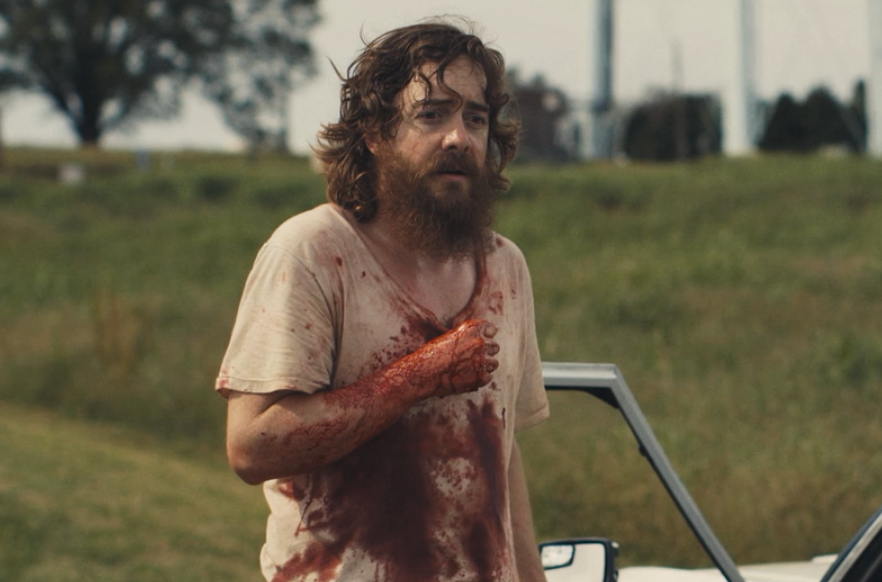
blue ruinBittersweet revenge. That’s what Dwight (Macon Blair), a dumpster-diving hobo, is after when he hears the man who killed his parents is getting out of prison. Blue Ruin delivers as one of the most beautifully shot, darkly comical and poignant films of 2013. If you liked Shotgun Stories or are simply a fan of revenge and vigilante justice flicks, look no further. B+/A-

Fish Tank
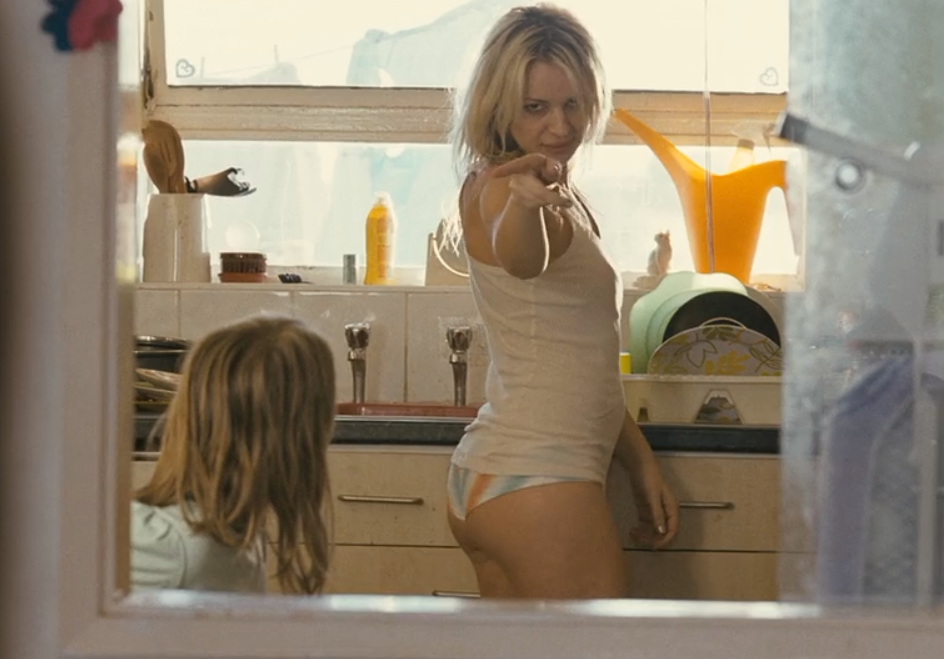
fish tankA charming Irishman enters the life of a teenage breakdancer who lives with her drunk mom and foul-mouthed sister in the slums of East London. Michael Fassbender (pre-Magneto fame) provides one of his best ever performances as a boozy savior who seems too good to be true. This film creates a riveting wave of suspense, despite being the only title on this list devoid of much action or overt violence. A-

God Bless America
God Bless AmericaIdiocracy and the 1970 hippie-slaughter-fest Joe meet Network in Bobact Goldthwait’s blacker-than-black satire on American media culture and narcissism. Bill Murray’s brother, Joel, is phenomenal as an everyman who finally hits his breaking point and goes on a monstrous killing spree… inspired by human compassion. B+/A-

Gomorrah
gomorrahFucking hell, this is a bleak one. Director Matteo Garrone takes a page from Alejandro González Iñárritu’s book and intertwines four slum tales, using the gang-ridden streets of Naples as his canvas. Ranked by A.O. Scott as the sixth-best film of 2008, I’d highly recommend this to fans of Amores Perros and City of GodB+

Headhunters
Nikolaj Coster-WaldauThis fast-paced Norwegian thriller tells the story of an art thief who gets in over his head by stealing from a special ops manhunter. Said manhunter is Game of Thrones‘  Nikolaj Coster-Waldau, who brings all his kingslaying charm to what is perhaps the most throughly entertaining movie I watched all year. A-

In Bruges
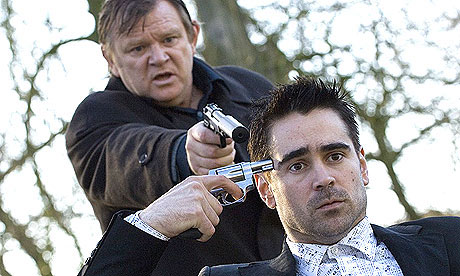
in brugesLike I said, “mostly lesser-known” titles. If you haven’t seen Martin McDonagh’s brilliantly wry flick about a pair of hitmen (Colin Farrell and Brendan Gleeson) holidaying in the “fucking fairytale” town of Bruges, consider this a must-watch. For those who have seen it, I cannot urge you strongly enough to seek out The Guard, starring Brendan Gleeson as a Bad Lieutenant-esque Irish cop. (I’m quite eagerly anticipating director John Michael McDonagh’s follow-up, Calvary, which hits Netflix DVD queues on Jan. 6). A-

El Infierno
Joaquín CosioThe best lesser-known movie on Netflix Instant. Period. A Mexican man is deported back home from the States, only to find his nation in ruinous drug violence. So what does he do? Break bad and become a narco hitman, of course. Rarely is sociopolitical commentary as entertaining to watch as in director Luis Estrada’s masterpiece. My top recommendation on this list—which would explain why I wrote a fucking novella on it (see link). A

I Saw the Devil
i saw the devilI didn’t write about Oldboy because if you’re reading this, chances are you’ve seen it thirteen times. I Saw the Devil continues in the tradition of Park Chan-Wook’s gut-wrenchingly violent Vengeance Trilogy and is, with perhaps the exception of Oldboy, the best film made in the landscape of prolific gore-horror that is South Korean cinema. Alongside El Infierno and Tell No One, this rounds out my top three recommendations within this list. A-/A

Let the Right One In
let the right one inThis Swedish kiddie vampire tale makes Twilight look like Sesame Street. If for some reason you haven’t seen this, please do—it’s arguably one of the best horror movies ever made. A

The Man from Nowhere
the man from nowhere
At what what point do I just give up and dedicate my entire blog to South Korean revenge movies? That’s a question this grim story of a mysterious Asian Jason Bourne putting his life on the line to save a young girl brings to mind. While not quite as devastatingly sinister as The Vengeance Trilogy, director Lee Jeong-beom’s 2010 flick is every bit as good—and much more action-packed. B+/A-

Stake Land
stake landAside from Let the Right One In, it could be argued that this devilish, little vampire road movie is the best bloodsucker flick since Dusk Till Dawn. It’s basically a much smarter, more artfully crafted and fully realized version of The Walking Dead. Oh, and while we’re on the subject of vamps, do me a fucking favor and skip that hipster trash that hipster critics are raving about, Only Lovers Left Alive. I consider Jim Jarmusch a god among directors, but that was his most pretentious bit of bullshit ever. On a more upbeat note, keep an eye out for the Iranian flick A Girl Walks Home Alone at Night, which I nominate for best horror-film title of 2014. As for Stake Land… A-

Tell No One
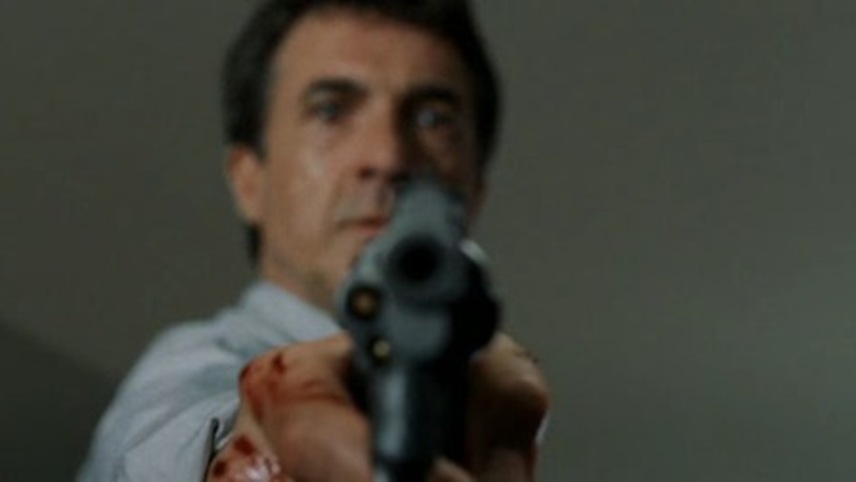
tell-no-oneMichael Caine named this 2006 French mystery thriller as one of the top ten movies ever made. While I don’t fully agree, I also wouldn’t call that hyperbole. This story—about a doctor who uncovers a secret about his dead wife—somehow manages the task of being both one of the most beautiful love stories and most action-packed thrillers in recent memory. One of my top three picks on this list. A

The Taking of Deborah Logan
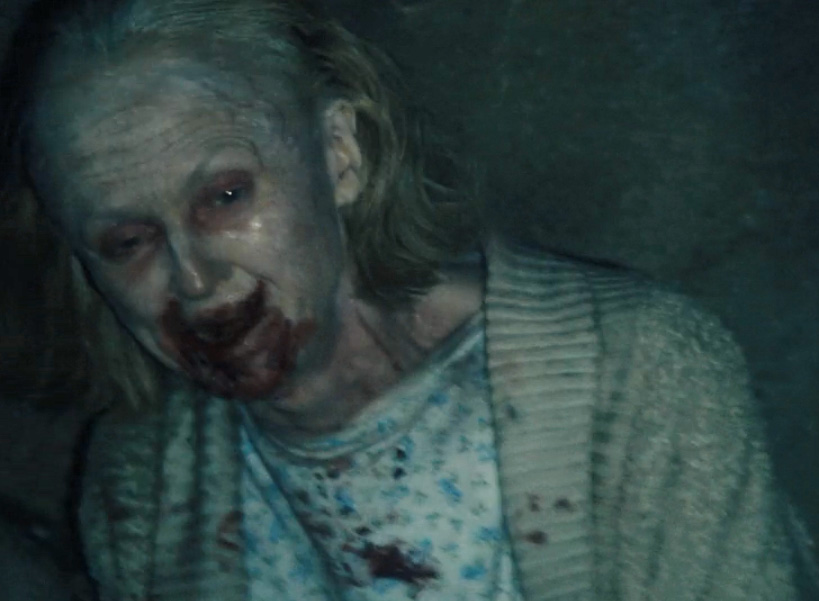
the taking of deborah loganThe found-footage genre finds new life in this jump-out-your-seat scary flick about a lady with Alzheimer’s who becomes possessed by demonic forces. While my smug, Masshole co-writer Adam Fox may disagree, I’d easily call this one of the best horror movies of 2014. B+/A-

You’re Next
You're nextAn Australian survivalist chick winds up at the dinner party from hell as a cast and crew of mumblecore jag-offs redeem themselves by creating one of the best slasher films in years. If there was any justice in this world, Dwight Twilley would win an Oscar for “Looking for the Magic”—which director Adam Wingard uses immaculately here.  B+/A-

SERIES
peaky blinders

Black Mirror
jessica brown findlay sings in black mirrorDid I just give a shout-out to Adam Fox? He’s the guy who’s been writing up Black Mirror for this here site. Charlie Brooker’s series of seven (so far) unrelated stories is a menacingly bleak futuristic take on technology, dystopia and human fallibility. So far we’ve posted on Fifteen Million Merits (B+), a glimpse of what happens when The Running Man meets American Idol in hell; and The National Anthem (A-), which deals with a British prime minister deciding whether he should follow through on a terrorist threat to fuck a pig.

Happy Valley
blogIf you haven’t watched Happy Valley yet, perhaps it’s for some of the same reasons that it took me so long to get around to it: The marquee image on Netflix displays an unknown, middle-aged actress in a British cop uniform. Meanwhile, there are several other British series plastered on the same page containing well-known actors in their prime, like Idris Elba, Cillian Murphy and Benedict Cumbertwat. So why should you choose Happy Valley, a show about a small-town detective who gets involved in a high-stakes kidnapping case? Let the record state that I am not comparing it to Breaking Bad… but it is the best show I’ve seen since the best show ever made ended. That’s why. A

The Fall: Season One
The FallThe Fall is perhaps one of the most intelligent cop shows on TV this side of True Detective, and now that Rust and Marty are out of the picture, Gillian Anderson’s lead as icy investigator Stella Gibson is perhaps the best character in the genre. The only downfall of this first season—which trails a sadistic Belfast serial killer—is that it left us with an asshole of a cliffhanger. Quit dicking around, BBC—deliver the goods! A-

Peaky Blinders: Season One
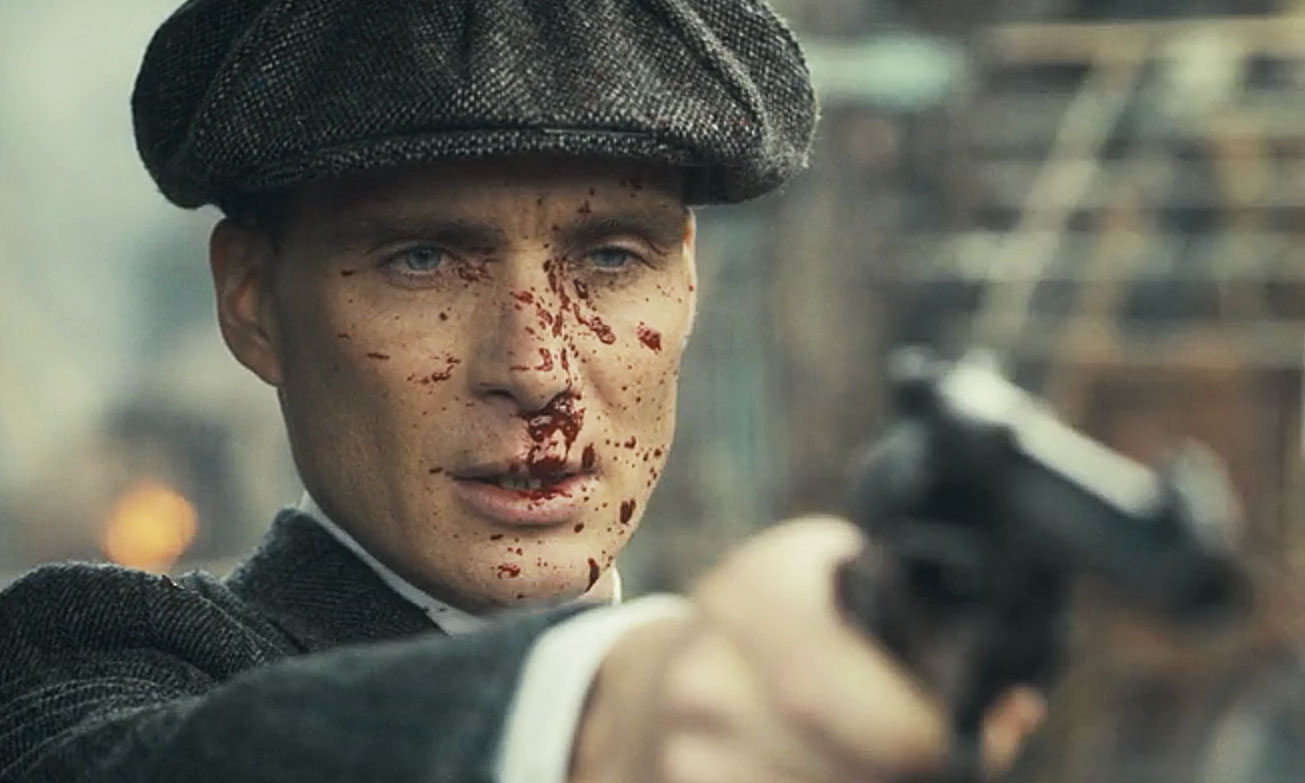
peaky blinders“When you walk through the garden…”. That was the line that Tom Waits opened episodes of The Wire with. “Take a little walk to the other side of the tracks” is the line Nick Cave opens Peaky Blinders with, and his “Red Right Hand” is the best intro song to any show since David Simon’s deservedly heralded series. There’s also a lot of other awesome shit happening here, like Cillian Murphy—as the leader of a Birmingham street gang—slashing people’s faces with razor-embedded scally caps. Blinders isn’t the most highbrow fare, but its first season is one of the most entertaining pieces of television I’ve seen in years. The second season falls a little short, but that’s another story for another time. A-

-Sam Adams

NOTE: A big year-end thanks to everyone who’s patronized this site, commented on it and given their support over the past three months. It means the fucking world. Also, a huge thanks to my man Adam Fox for helping me keep the ship afloat. We’ve got much more in store for 2015!